
"Fuel Your Fire: Igniting the Flame of Motivation"
"Unleashing Your Inner Drive: The Power of Motivation"
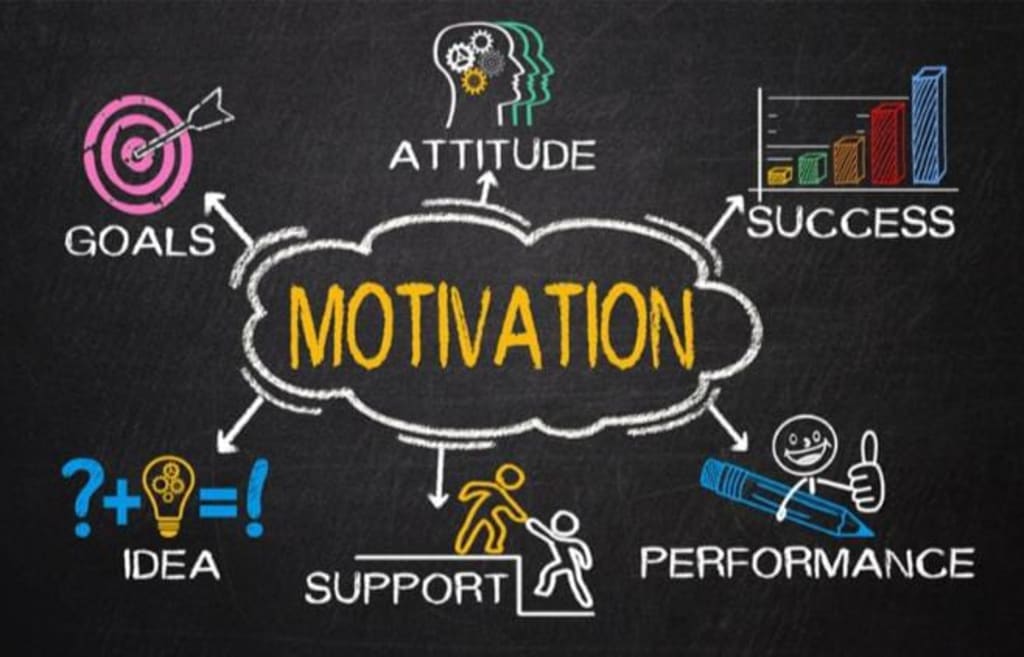
Motivation is an important aspect of human behavior that drives us to pursue our goals and desires. It is the force that propels us forward, giving us the energy and focus we need to achieve our aspirations. Motivation can come from various sources, such as intrinsic and extrinsic motivation, and can be influenced by external factors such as rewards and punishments.
Intrinsic motivation refers to the internal drive to pursue a task or activity because of the inherent satisfaction and enjoyment it provides. This type of motivation is driven by personal values, beliefs, and interests and is less dependent on external rewards. For example, a person may enjoy playing a musical instrument because it brings them joy and a sense of fulfillment, rather than for the recognition or rewards they may receive.
Extrinsic motivation, on the other hand, involves pursuing a task or activity because of external rewards or punishments. This can include financial incentives, recognition, or the avoidance of negative consequences. Extrinsic motivation can be effective in driving behavior, but it is often less sustainable in the long term because it is based on external factors that can fluctuate.
Motivation is crucial in various aspects of our lives, such as in the workplace, education, and personal development. In the workplace, motivated employees are more productive, engaged, and committed to achieving their goals. Employers can foster motivation by providing a supportive and positive work environment, setting clear goals and expectations, offering opportunities for growth and development, and recognizing and rewarding employees' achievements.
Similarly, motivation plays a vital role in education. Students who are motivated to learn are more likely to be engaged and successful in their studies. Educators can foster motivation by creating a learning environment that is challenging, relevant, and meaningful to students, providing opportunities for autonomy and choice, and offering feedback and recognition for their achievements.
In personal development, motivation is the key to achieving our goals and aspirations. Whether it is improving our physical health, learning a new skill, or pursuing a passion, motivation provides the energy and drive needed to make progress towards our desired outcomes. To stay motivated, it is important to set clear and achievable goals, develop a plan of action, and celebrate our achievements along the way.
However, motivation is not always constant and can fluctuate depending on various factors, such as stress, fatigue, and external circumstances. To maintain motivation, it is essential to identify and address any barriers or challenges that may hinder our progress. This can involve developing strategies to overcome procrastination, seeking social support from friends and family, and practicing self-care to manage stress and fatigue.
Motivation can also be influenced by our mindset and beliefs. A growth mindset, which involves the belief that our abilities can be developed through hard work and dedication, can promote motivation by fostering a desire for learning and improvement. In contrast, a fixed mindset, which involves the belief that our abilities are fixed and cannot be changed, can hinder motivation by creating a fear of failure and a lack of confidence in our abilities.
In addition to mindset, motivation can also be influenced by self-efficacy, which is the belief in our ability to achieve our goals. Individuals with high self-efficacy are more likely to be motivated and persistent in the face of challenges, while those with low self-efficacy may be more likely to give up or avoid challenging tasks.
To foster motivation, it is important to cultivate a sense of purpose and meaning in our lives. This can involve reflecting on our values, identifying our strengths and passions, and setting goals that align with our interests and aspirations. By pursuing activities and tasks that are meaningful and relevant to our lives, we can find intrinsic motivation and a sense of purpose that can drive us towards our goals.
About the Creator
Enjoyed the story? Support the Creator.
Subscribe for free to receive all their stories in your feed.
Comments
There are no comments for this story
Be the first to respond and start the conversation.