
Don’t Fear AI: It Has the Power to Help Us If Used Correctly
AI Empowering Freedom and Enhancing Human Potential

In 1958, philosopher Sir Isaiah Berlin delivered a famous lecture called Two Concepts of Liberty. He explained two different types of freedom: negative liberty and positive liberty. Negative liberty is the freedom to be left alone, without interference, while positive liberty is the freedom to do things that help us reach our full potential. As we think about how artificial intelligence (AI) is affecting our lives, these ideas of liberty are important to keep in mind.
AI, like past revolutionary technologies such as the steam engine, is changing what it means to be human. It can reshape how we think about freedom, autonomy, and control. New technologies like AI can expand and redefine human values like freedom, but they also create challenges. The key is designing AI in a way that benefits people while balancing both negative and positive liberty.
The Role of Technology in Liberty
In his lecture, Berlin talked about how values like safety, freedom, and innovation are often in conflict with each other. For instance, the desire for safety might limit freedom, and focusing on innovation might disrupt stability. He argued that we must accept that values are dynamic, not fixed. New technologies play a big role in this because they shape and redefine what we value and how we experience freedom.
When technologies like AI appear, they often seem like threats to our current way of living. We fear that AI could take away our freedom or autonomy. However, if we design AI tools in the right way, they can empower individuals and enhance their abilities, giving them more freedom to pursue their goals. This is what the concept of superagency is about.
Superagency: A New Form of Freedom
Superagency happens when a lot of people have access to powerful technologies that they can use in their ways. When individuals gain these tools, they can improve their lives and have a greater impact on society. For example, when cars were first invented, doctors could make more house calls, and when the internet became widespread, anyone could share their ideas with the world. AI offers similar opportunities.
AI tools give individuals the power to do things they couldn’t do before, in personally meaningful ways. A doctor using AI to make better diagnoses not only helps themselves but also benefit their patients. A teacher using AI to personalize lessons can create a better learning experience for every student. This kind of superagency has the potential to spread across society, improving everyone’s lives.
The Trade-Offs of AI
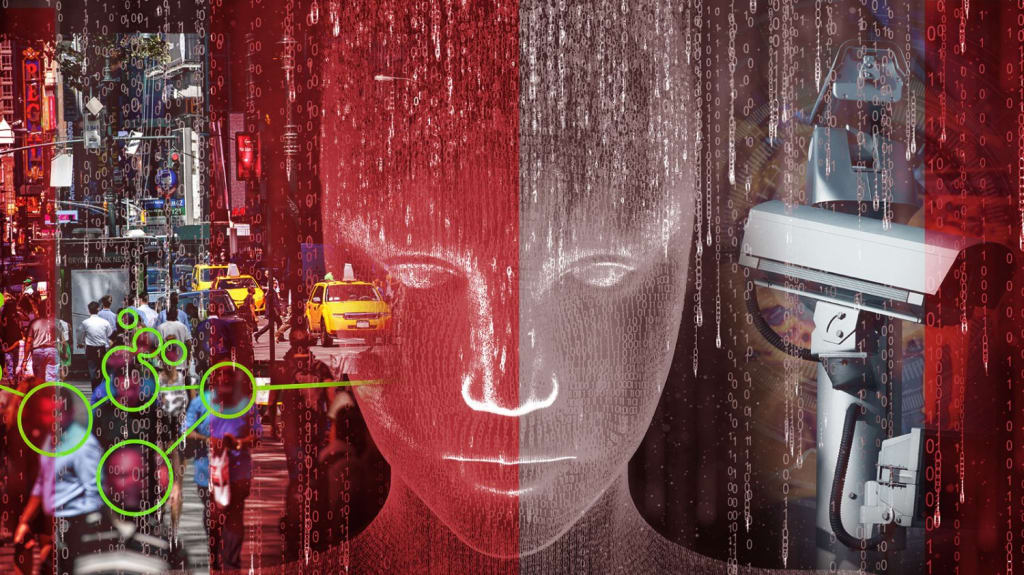
However, AI also brings important trade-offs. For example, imagine a city filled with cameras and sensors, all using AI to monitor traffic, crime, and public safety. The optimistic view is that these systems would help make life safer and more efficient. On the other hand, the dystopian view is that they could become tools of control, invading privacy and limiting personal freedom.
We already see these trade-offs in action with things like facial recognition technology. In New York City, the company MSG Entertainment uses facial recognition to ban certain people from entering their venues. While this might be seen as a way to protect property rights, it raises important questions about privacy and fairness.
These examples highlight how AI can both protect and limit freedom. The challenge is finding a balance between safety, security, and individual liberty. Sometimes, AI can enhance freedom, like when it helps doctors or teachers, but it can also restrict freedom, like when it’s used for surveillance or control.
AI Tools and Individual Agency
The most important part of using AI correctly is ensuring that it supports individual agencies. AI should be a tool that enhances human freedom, not takes it away. Tools like ChatGPT, DeepSeekAI, MyEssayWriter.ai, and PerfectEssayWriter.ai are great examples of how AI can support individual needs and freedom.
ChatGPT, for example, is an AI-driven conversational tool that helps users with a wide range of tasks, from answering questions and offering information to generating content. It can be used for writing, brainstorming, tutoring, and providing explanations on complex topics. This AI tool helps individuals by offering guidance, but it still leaves room for users to make their own decisions and choices. Just like a GPS that recalculates your path when you take a wrong turn, ChatGPT adjusts its responses based on your instructions, preserving your autonomy.
In fact, when AI tools are made available to people, they begin to trust these technologies more. AI tools such as PerfectEssayWriterai and MyEssayWriterai support students, writers, and professionals by helping them with writing, paraphrasing, humanizing, and citation. These AI-powered writing tools can make tasks like essay writing, research paper formatting, and generating citations much easier and faster. They empower users by reducing the time spent on repetitive tasks, allowing them to focus on creativity and content generation.
Grammarly is another highly respected AI tool that enhances writing by checking for grammar, punctuation, style, and clarity. It helps writers at all levels improve their work, making writing more efficient and effective. Similarly, Quillbot offers AI-assisted paraphrasing, allowing users to rephrase text easily for clearer communication or to improve the originality of their work.
Additionally, tools like Jasper AI are designed to assist with content creation, helping users write blog posts, marketing copy, and other content quickly and efficiently. Copy.ai is another tool focused on creating persuasive content for businesses and marketers. These tools help users craft powerful written content that meets the needs of different audiences.
When AI tools are made available to people, they begin to trust these technologies more. They use tools like ChatGPT to generate ideas or answer questions, MyEssayWriterai to structure essays, and Grammarly to refine their writing. As people become more familiar with these tools, they begin to see the benefits of AI and understand how it can be used responsibly.
The Future of AI and Society
The introduction of AI is not without challenges, and it’s natural to feel concerned about how it will impact our lives. However, as technology evolves, it is important to approach it with a mindset of both caution and opportunity. The best way to ensure that AI benefits everyone is to allow people to use AI directly and meaningfully. People should be able to access AI tools that help them in their personal and professional lives, and as they become more familiar with these tools, they can appreciate the broader benefits AI offers.
The goal is to design AI systems that empower individuals, promote freedom, and create positive social change. This approach, where AI tools are distributed widely and used responsibly, can help us reach a future where technology serves humanity in the best way possible.
In the end, AI should be an extension of human will. As Reid Hoffman, co-founder of LinkedIn, says, “AI should be an extension of individual human wills and, in the spirit of liberty, as broadly and evenly distributed as possible.” By ensuring that AI tools support freedom and autonomy, we can create a society where both negative and positive liberty is preserved, and superagency becomes a driving force for progress.
Embracing AI for a Better Future
AI has the potential to enhance individual freedom, creativity, and productivity. By providing people with powerful tools we enable individuals to exercise greater agency over their lives. If used properly, AI can help us build a more innovative, secure, and empowered world where people have the tools they need to succeed and grow. Let’s not fear AI, but instead embrace it as a force for good, a tool that can help us all live better, more fulfilling lives.
About the Creator
Betty Taylor
I love exploring new topics and turning complex ideas into clear, helpful insights. Writing is my way of learning and teaching at the same time.
Enjoyed the story? Support the Creator.
Subscribe for free to receive all their stories in your feed.
Comments
There are no comments for this story
Be the first to respond and start the conversation.