
Best Keto Diet Tips for Achieving Optimum Results
Are you interested in achieving the best possible keto diet results?
If so, then you have come to the right place!
In this blog post, we will discuss the top tips for achieving optimum keto results.
By following these simple strategies, you will be able to maximize your results and get the most out of your keto diet. So, read on to learn how you can achieve optimum keto results in no time!
Know Your Macros
When it comes to following the keto diet, knowing your macros is key.
Your macros are the amounts of fat, protein, and carbs that make up your daily calorie intake.
On a ketogenic diet, you want to be sure that you’re getting enough fat, as this will be the primary source of energy.
You should also be sure to include enough protein in your diet to support muscle growth and repair.
Lastly, you should strive for minimal carbohydrates to ensure your body remains in a state of ketosis. Understanding your macros is the first step towards successfully achieving results with the keto diet.
Find Your Carb Limit
Finding your carb limit on the keto diet is essential for success. The number of carbohydrates you can consume and still remain in ketosis will vary from person to person.
Generally, you should aim to consume fewer than 50 grams of carbohydrates per day, but this may vary based on individual circumstances and needs.
Before you decide on a carb limit, you need to figure out how many calories you need each day and then determine the percentage of those calories that will come from carbohydrates.
You can use an online calculator to help with this process.
Once you have determined the percentage of your daily calorie intake that should come from carbs, you can calculate the number of carbs you should be consuming.
For example, if your daily calorie intake is 2,000 calories and 20% of those should come from carbohydrates, then 400 calories will come from carbs. This equates to around 50 grams of carbohydrates.
It’s important to stay within your limit if you want to see results. If you find yourself getting hungry between meals, it may be helpful to add healthy snacks like nuts, seeds, or hard-boiled eggs.
It’s also important to note that if you’re active or participating in any type of strenuous activity, you may need to increase your daily carb intake slightly to provide your body with enough energy to perform optimally. Listen to your body and adjust your carb intake accordingly.
Get Plenty of Fat
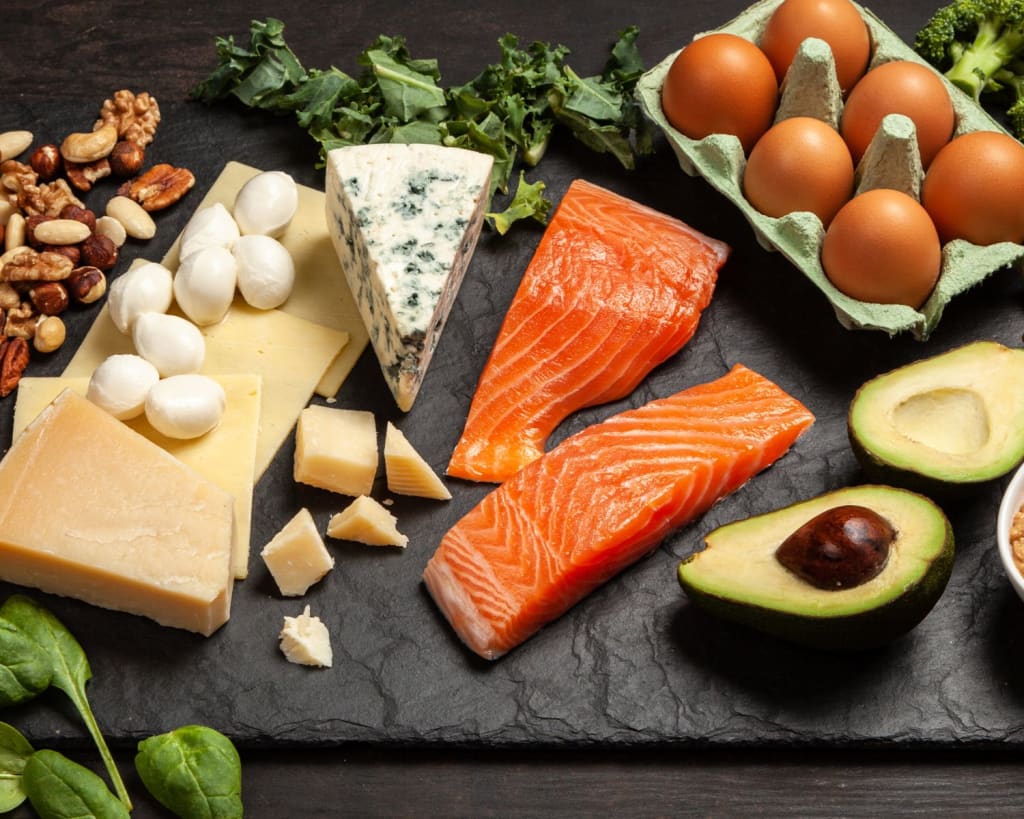
One of the most important aspects of the keto diet is getting enough fat. Fat is the primary source of energy on a ketogenic diet and should comprise at least 70% of your daily calories. The primary sources of fat are things like olive oil, coconut oil, avocado oil, butter, ghee, nuts, nut butters, and seeds.
When choosing which fats to include in your diet, it’s important to focus on healthy fats that are unprocessed and come from whole foods. It is also important to look for foods that are rich in omega-3 fatty acids as these can help reduce inflammation and improve overall health. Good sources of omega-3 fatty acids include things like salmon, tuna, flaxseeds, and chia seeds.
In addition to adding healthy fats to your diet, it’s also important to reduce your intake of unhealthy fats such as those found in processed foods, fried foods, and vegetable oils. These unhealthy fats can increase inflammation and negatively impact your health.
Finally, make sure that you are eating enough fat each day. It’s easy to go overboard when eating carbs and protein without getting enough fat. Aim to get at least 70% of your daily calories from fat. This will help ensure that you are able to achieve the best results on the keto diet.
Eat Enough Protein
Protein is an important macronutrient to include in your keto diet, as it helps build and maintain muscle mass while also providing energy.
On a keto diet, protein should make up 20-25% of your daily calories, which translates to 0.8-1.2 grams of protein per pound of body weight.
This can be challenging for some people, especially vegetarians, who will need to get creative with their sources of protein.
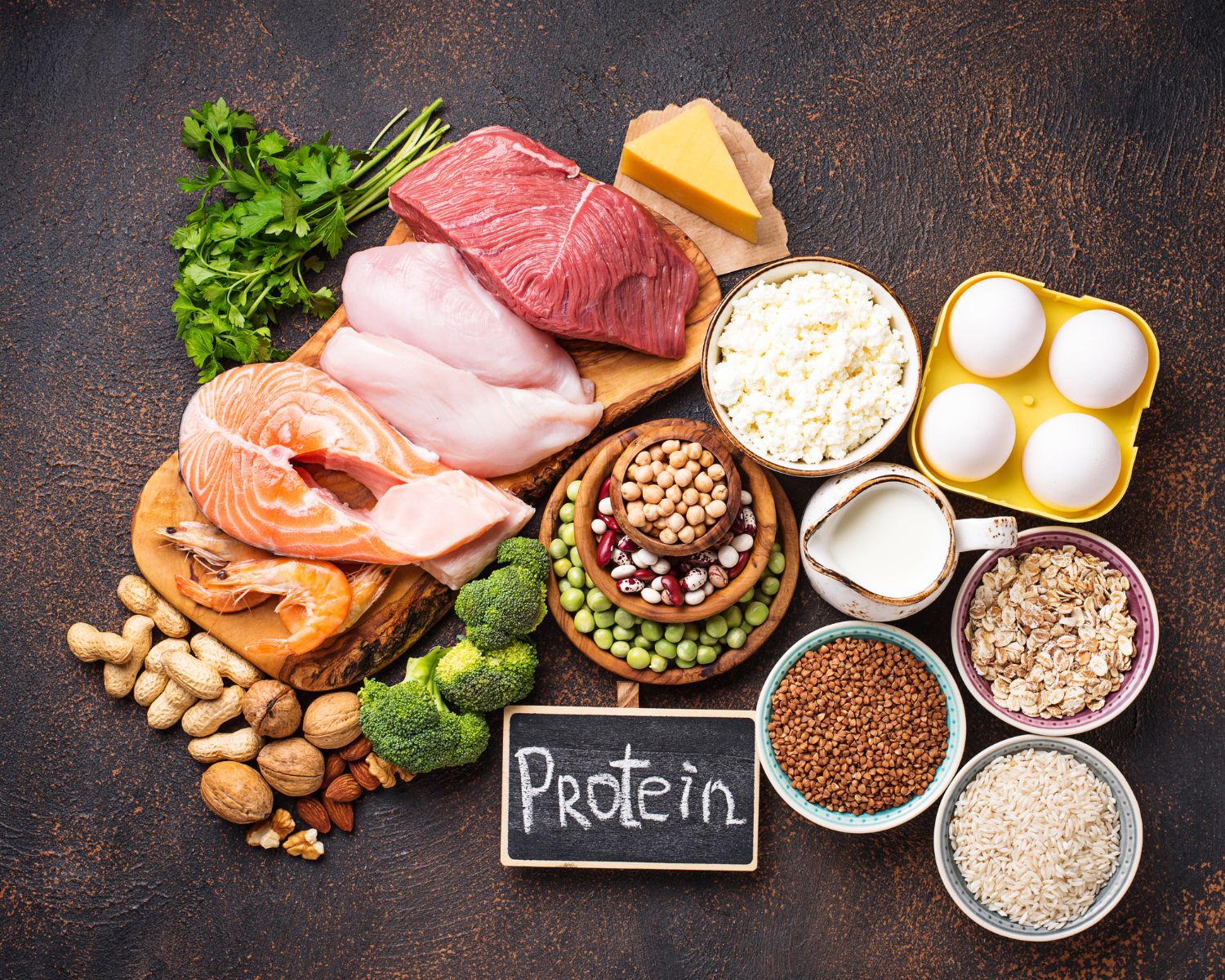
Good sources of protein include fatty fish such as salmon, mackerel, sardines, and tuna; eggs; organ meats like liver; full-fat dairy like cheese, heavy cream, and yoghurt; nuts and nut butters; and grass-fed meat and poultry.
Plant-based sources of protein like legumes and grains are usually limited due to their higher carbohydrate content. However, soy-based products like tofu and tempeh can still be included in moderation.
To ensure you are eating enough protein on the keto diet, aim for 1-1.5 grams of protein per pound of body weight each day. It may require you to track your food intake or increase your portions at meal times.
If you find that you’re still not getting enough protein, consider supplementing with a quality protein powder.
Don't Fear Natural Carbs
If you're following a ketogenic diet, you may be tempted to avoid carbs at all costs. However, it's important to remember that not all carbohydrates are created equal.
In fact, natural sources of carbs like vegetables and whole grains can be very beneficial for your health.
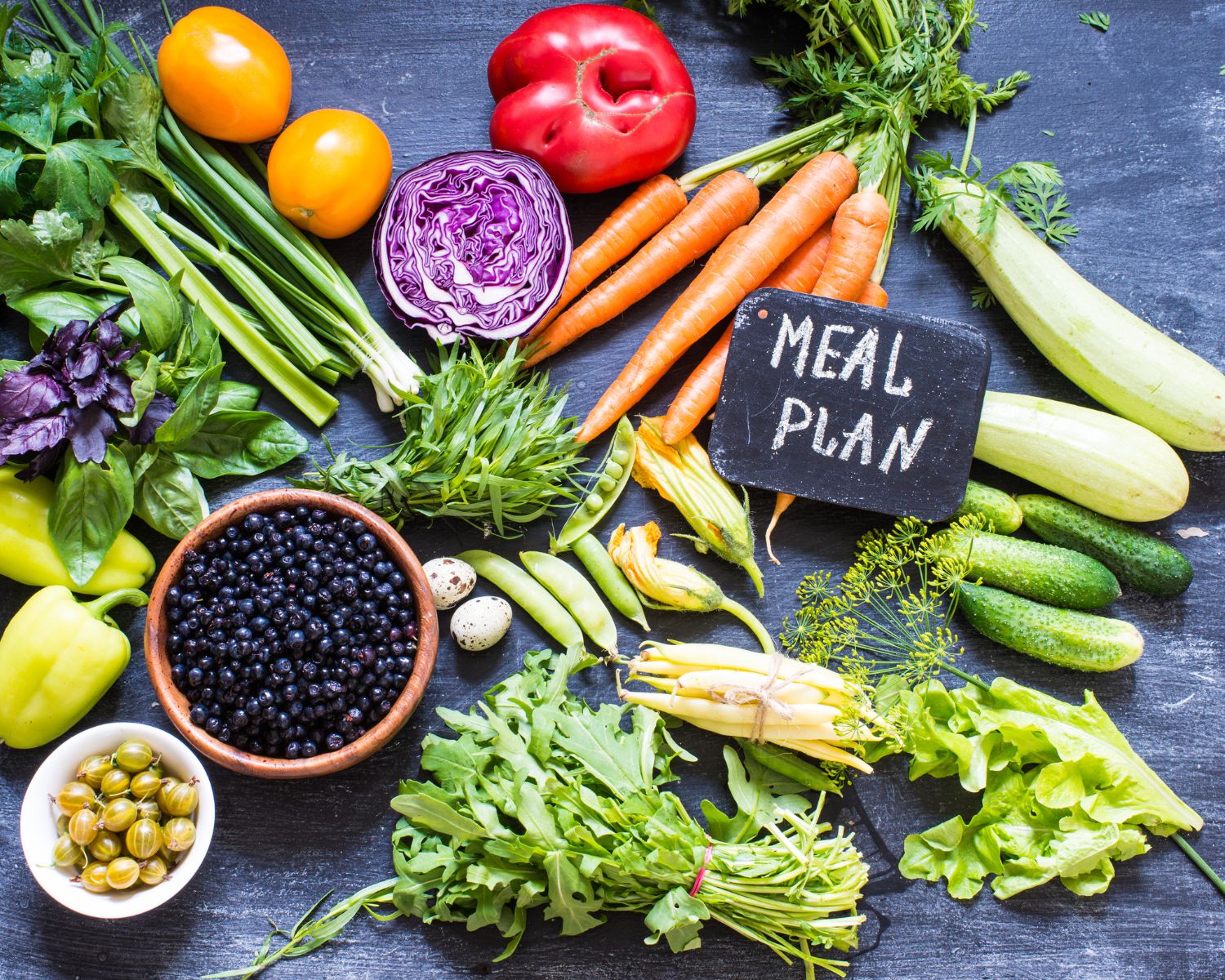
Vegetables such as broccoli, cauliflower, kale, spinach, and Brussels sprouts are all low-carb, nutrient-dense sources of carbohydrates. They are also rich in fibre and other important vitamins and minerals.
Eating plenty of vegetables on the keto diet will help keep your blood sugar stable, provide your body with energy, and make sure that you don't get too few essential nutrients.
Whole grains such as quinoa, oats, brown rice, and buckwheat are also healthy sources of carbs. Eating them in moderation can help boost your energy levels, improve digestion and provide a wide range of important vitamins and minerals.
So don't fear natural carbs! Eating a variety of vegetables and whole grains as part of a well-balanced keto diet can help you reach your goals and enjoy better health.
Just be sure to watch your portion sizes so you don't overdo it on the carbs.
Manage Your Micronutrients
Managing your micronutrients is an important part of any diet, but it is especially important for the keto diet.
Micronutrients are vitamins and minerals that are essential for optimal health and wellness. In order to stay healthy and achieve the best possible results from the keto diet, you must make sure you are getting enough micronutrients.
Vitamins are needed for a variety of bodily functions and can be found in a variety of foods such as vegetables, fruits, dairy, and grains. Make sure you’re eating plenty of vegetables and fruits on your keto diet to ensure you’re getting enough vitamins.
Minerals are also essential for your body’s functions and can be found in leafy greens, nuts, and fish. Eating enough minerals on a keto diet is key to achieving your goals. Supplements may also be necessary, depending on your diet and lifestyle.
The keto diet can be very restrictive in terms of food choices, so it’s important to pay close attention to your micronutrient intake and plan ahead to make sure you are getting enough. Keeping track of the vitamins and minerals you need can help you maintain balance and keep your body functioning optimally.
Drink Plenty of Water
One of the most important elements of any diet is staying hydrated. When it comes to the keto diet, this is even more important, as the high-fat, low-carb nature of the diet can lead to dehydration.
Therefore, it is vital to drink plenty of water throughout the day to ensure that you remain adequately hydrated.
It is recommended that you aim for around 2 litres (or 8 cups) of water a day, but your specific needs may vary depending on your age, size, and activity level. Additionally, you may need to increase your intake when exercising or in hot climates.
By drinking enough water, you can help prevent constipation, one of the most common side effects of a ketogenic diet.
Staying hydrated can also help reduce the risk of kidney stones and muscle cramps, which can be associated with a lack of water in the body.
Drinking plenty of water will also help you feel fuller and potentially aid in weight loss.
Overall, ensuring you stay properly hydrated throughout the day is key to successful results with the keto diet. Make sure to sip on water throughout the day to ensure that your body remains optimally hydrated and functioning at its best.
Exercise
Exercise is an important part of any diet, and the keto diet is no exception.
Exercise can help you reach your goals faster and can also help keep your body healthy.

When it comes to the keto diet, it’s important to keep in mind that low-intensity exercise is best. This includes things like walking, yoga, swimming, and even stretching.
High-intensity activities such as running or HIIT workouts are not recommended as they can cause your body to enter a state of ketosis.
When it comes to the type of exercise you should do, it’s important to find something that works for you. You may want to try a combination of resistance training, cardiovascular training, and flexibility work.
The key is to mix it up and make sure you’re challenging yourself.
Finally, don’t forget that rest days are just as important as working out. Make sure you’re taking days off from time to time so that your body can rest and recover. This will ensure that you’re able to make the most of your workouts and get the best results possible.
Get Enough Sleep
Getting enough sleep is an important part of a successful keto diet plan. Not only does it help your body to recover from exercise and regulate hormones, but it also helps you to make better decisions when it comes to food.
Aim for 7-9 hours of sleep each night, and if you have trouble sleeping, look into natural remedies such as herbal tea and meditation.
Make sure that your bedroom is dark, quiet and comfortable, as these factors can affect your quality of sleep.
Avoid screens at least an hour before bed and consider setting a regular bedtime. With adequate rest, you’ll find that you have more energy and better focus when it comes to your keto diet.
If you want to learn my #1 way to master the Keto Diet.
About the Creator
Enjoyed the story? Support the Creator.
Subscribe for free to receive all their stories in your feed.
Comments
There are no comments for this story
Be the first to respond and start the conversation.