
Artificial Intelligence and Healthcare: Advancements in Disease Identification and Treatment Methods
Revolutionizing Healthcare with the Power of Artificial Intelligence
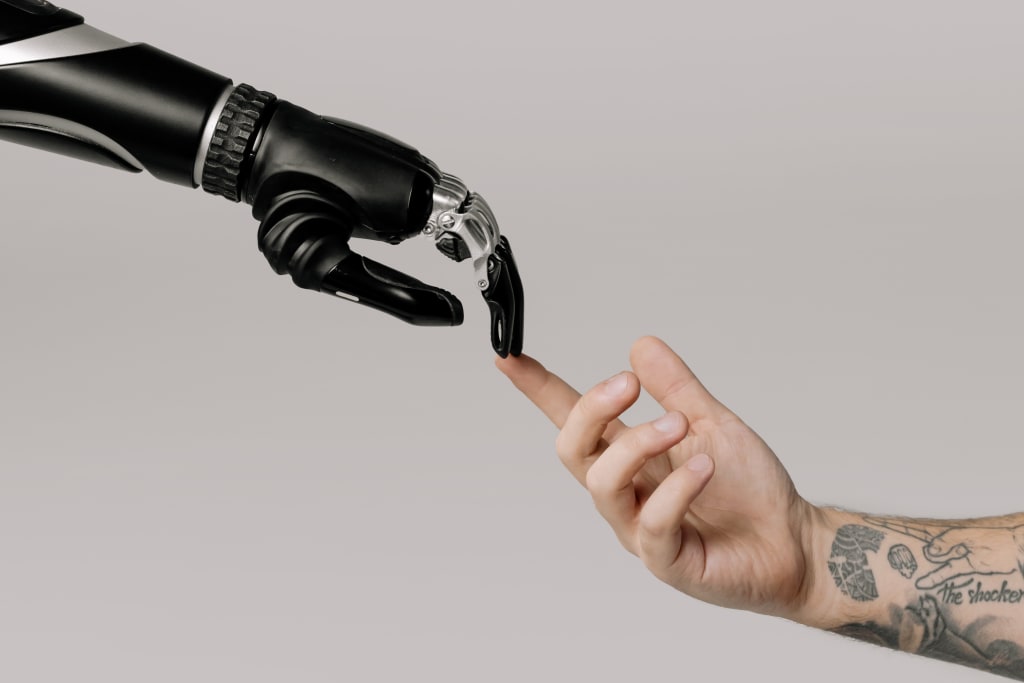
Artificial Intelligence (AI) has the potential to revolutionize the healthcare industry by transforming the way diseases are identified and treated. AI-powered systems are capable of analyzing large amounts of medical data, identifying patterns and insights that may not be immediately apparent to human clinicians. This can help to improve the accuracy and efficiency of disease diagnosis and treatment, leading to better health outcomes for patients.
One of the most significant areas where AI is having an impact in healthcare is in disease identification. By analyzing patient data, including medical histories, lab results, and imaging scans, AI systems can identify patterns that may indicate the presence of disease. For example, AI algorithms have been developed that can accurately diagnose skin cancer from images, often outperforming human dermatologists. In addition, AI-powered diagnostic tools are being developed for a range of other diseases, including breast cancer, lung cancer, and heart disease.
One particularly promising area of AI research is in the early detection of Alzheimer's disease. Alzheimer's disease is a progressive brain disorder that affects millions of people worldwide, and early diagnosis is crucial for effective treatment. Researchers have developed AI algorithms that can detect subtle changes in brain structure and function that may indicate the early stages of Alzheimer's disease, potentially allowing for earlier diagnosis and more effective treatment.
Another area where AI is showing promise is in personalized medicine. By analyzing patient data, including genetic information and medical history, AI systems can help to identify the most effective treatment options for individual patients. This can lead to more targeted and effective treatments, reducing the risk of adverse reactions and improving patient outcomes. For example, AI-powered systems are being developed that can predict which patients are most likely to respond to certain cancer treatments, allowing doctors to tailor their approach accordingly.
AI is also being used to improve the efficiency of healthcare delivery. For example, AI-powered chatbots can be used to triage patients and provide initial medical advice, reducing the burden on healthcare providers. In addition, AI algorithms are being developed that can optimize hospital workflows, reducing wait times and improving patient outcomes.
Despite the potential benefits of AI in healthcare, there are also some challenges that need to be addressed. One of the main concerns is ensuring the accuracy and fairness of AI-powered diagnostic tools. There is a risk that these tools may inadvertently perpetuate biases, leading to incorrect or unfair diagnoses. To address this, it is important to ensure that AI algorithms are transparent and can be audited to identify any biases.
Another challenge is the need for robust data privacy and security measures. AI-powered systems rely on vast amounts of patient data, which must be kept secure and confidential to protect patient privacy. In addition, there is a risk of data breaches or cyber attacks, which could compromise the integrity of medical data and put patients at risk.
In conclusion, AI has the potential to revolutionize the healthcare industry by transforming the way diseases are identified and treated. By analyzing large amounts of medical data, AI-powered systems can help to improve the accuracy and efficiency of disease diagnosis and treatment, leading to better health outcomes for patients. However, it is important to ensure that these systems are accurate, fair, and transparent, and that robust data privacy and security measures are in place to protect patient privacy and prevent data breaches. With these challenges addressed, AI has the potential to bring about significant advances in healthcare and improve the lives of millions of people around the world.
About the Creator
Enjoyed the story? Support the Creator.
Subscribe for free to receive all their stories in your feed.
Comments
There are no comments for this story
Be the first to respond and start the conversation.