
US airfares expected to stay high even if Iran ceasefire drops oil prices, experts say
Strong travel demand, airline capacity constraints, and operating costs are expected to keep ticket prices elevated despite potential declines in fuel costs.
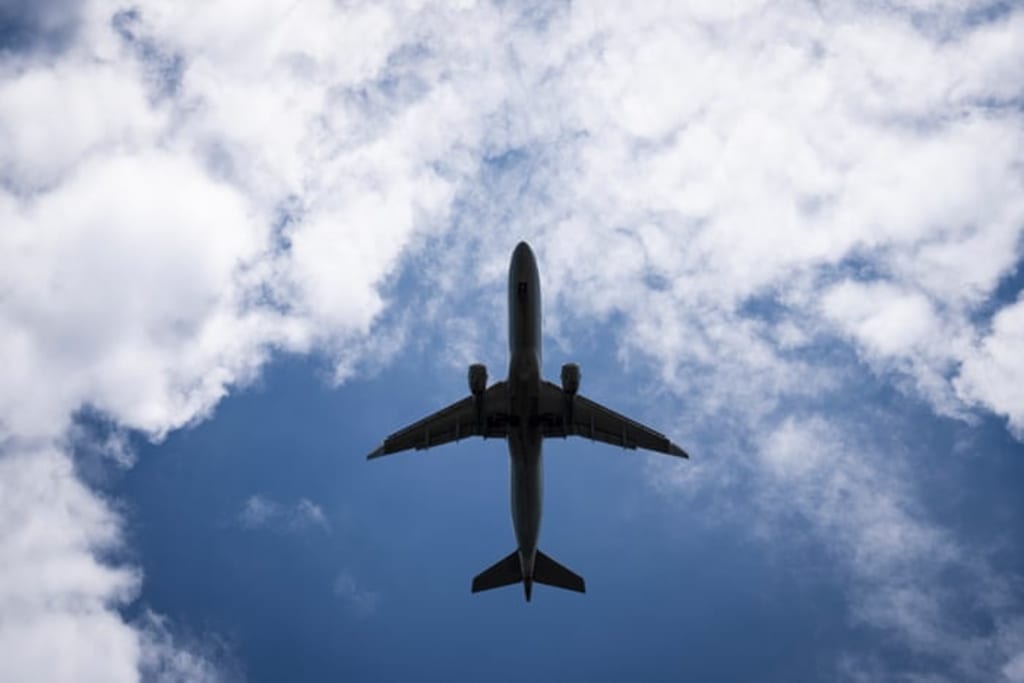
Air travelers hoping for cheaper flights after easing tensions in the Middle East may have to wait longer than expected. While a lasting ceasefire involving Iran could reduce global oil prices and ease pressure on aviation fuel costs, industry experts say US airfares are unlikely to fall significantly in the near future. Airlines continue to face a combination of strong passenger demand, limited aircraft availability, labor shortages, and higher operating expenses that are keeping ticket prices elevated.
For many travelers, the assumption is straightforward: lower oil prices should translate into cheaper flights. Fuel is one of the largest expenses for airlines, often accounting for 20% to 30% of total operating costs. However, aviation analysts note that ticket prices are determined by far more than the price of jet fuel. Supply and demand, fleet size, airport fees, staffing costs, maintenance expenses, and competitive market conditions all play equally important roles.
The possibility of a sustained ceasefire involving Iran has improved confidence in global energy markets. Geopolitical conflicts in the Middle East frequently create uncertainty because the region remains one of the world's largest oil-producing areas. Any reduction in military tensions generally eases fears of supply disruptions, placing downward pressure on crude oil prices.
If crude oil prices decline, airlines could eventually benefit from lower jet fuel costs. However, experts caution that the savings are unlikely to appear immediately in passenger fares. Airlines typically purchase fuel through long-term contracts or hedging strategies designed to reduce exposure to sudden price swings. As a result, temporary drops in oil prices do not instantly reduce airline operating costs.
Another major factor supporting higher airfares is exceptionally strong travel demand. Americans continue to prioritize vacations, family visits, and business travel despite broader economic uncertainty. Domestic routes remain busy throughout much of the year, while international travel has also recovered significantly following the pandemic years.
Airlines are responding to this demand, but expanding capacity has proven difficult. Aircraft manufacturers continue to experience production delays, slowing the delivery of new planes. At the same time, maintenance schedules for existing aircraft have become longer due to supply chain disruptions affecting spare parts and engine components.
The shortage of available aircraft means airlines cannot easily increase the number of flights. Limited seat availability naturally supports higher ticket prices, especially during holidays, weekends, and peak vacation seasons.
Labor costs also continue to rise across the aviation industry. Airlines have signed new agreements with pilots, flight attendants, mechanics, and ground staff that include higher wages and improved benefits. While these contracts help attract and retain skilled employees, they also increase operating expenses that airlines often recover through ticket pricing.
Airport charges have also increased in many major US cities. Airlines pay fees for gate usage, landing rights, terminal operations, security services, and passenger handling. These expenses have risen as airports invest in infrastructure improvements and modernization projects.
Another reason airfare reductions may be limited is airline revenue management. Modern carriers use sophisticated pricing systems that continuously adjust fares based on demand, booking patterns, competition, and remaining seat inventory. Even if fuel costs decline, airlines may choose to preserve higher fares when flights continue selling well.
Financial analysts note that airlines are still focused on strengthening their balance sheets after experiencing enormous financial losses during the COVID-19 pandemic. Many carriers accumulated billions of dollars in debt while travel demand collapsed. Higher ticket prices help airlines repay loans, invest in fleet renewal, and improve long-term financial stability.
International routes face additional challenges beyond fuel prices. Currency fluctuations, geopolitical risks, airspace restrictions, insurance costs, and airport congestion continue to influence operating expenses. Flights avoiding conflict zones often require longer routes, increasing fuel consumption despite lower oil prices.
Consumers may still find opportunities to save money through careful planning. Travel experts recommend booking flights several weeks or months in advance, remaining flexible with departure dates, and considering nearby airports that may offer lower fares. Midweek departures often remain less expensive than weekend travel, while early morning or late-night flights may also provide better value.
Budget airlines continue offering competitive fares on selected domestic routes, although passengers should carefully review baggage fees, seat selection charges, and other optional costs before booking. In many cases, the lowest advertised fare may not represent the final travel cost.
Industry observers believe airfare trends during the coming months will largely depend on overall economic conditions. If consumer spending slows significantly or travel demand weakens, airlines may introduce promotional fares to fill seats. Conversely, if demand remains strong, ticket prices are expected to stay elevated regardless of moderate reductions in fuel expenses.
Environmental policies also influence airline costs. Investments in more fuel-efficient aircraft, sustainable aviation fuel initiatives, and carbon reduction programs require substantial capital spending. Although these investments support long-term environmental goals, they may contribute to higher operating costs over time.
Economists emphasize that while oil prices remain an important component of airline expenses, they represent only one piece of a much larger financial picture. The modern airline industry operates within a highly complex economic environment where staffing, maintenance, financing, airport infrastructure, supply chains, and passenger demand all interact to determine ticket prices.
For travelers planning trips within the United States or abroad, the message from aviation experts is clear: even if geopolitical tensions ease and oil prices decline, airfare discounts are unlikely to be immediate or dramatic. Instead, fares will continue to reflect strong demand and the broader cost pressures facing airlines.
As airlines balance profitability with growing passenger demand, travelers should expect pricing to remain relatively firm through upcoming travel seasons. Monitoring fare comparison tools, booking early, and remaining flexible with travel dates will likely remain the best strategies for securing lower-priced tickets in an otherwise expensive aviation market.
About the Creator
Enjoyed the story? Support the Creator.
Subscribe for free to receive all their stories in your feed.
Comments
There are no comments for this story
Be the first to respond and start the conversation.