
UAE Flights Disrupted: Emirates, Etihad Extend Cancellations Amid Renewed Regional Tensions
Major UAE airlines adjust schedules and extend cancellations as regional security concerns impact international travel and aviation operations.
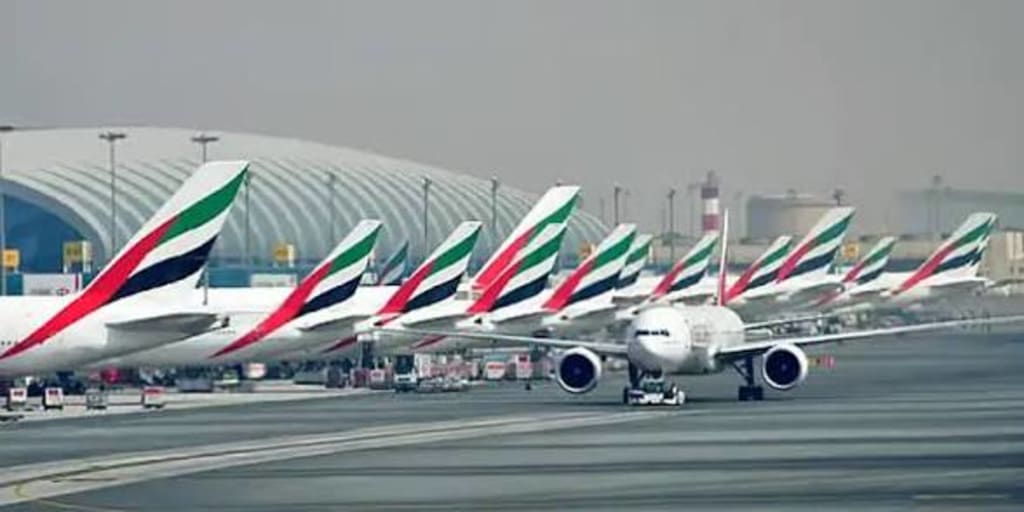
Travelers Face Uncertainty as Major UAE Airlines Adjust Operations
Air travel across the United Arab Emirates has experienced significant disruption as leading carriers Emirates and Etihad Airways extend flight cancellations in response to renewed regional tensions. The operational changes have affected thousands of passengers, forcing travelers to revise plans while airlines work to prioritize safety and maintain service continuity where possible.
The latest developments have highlighted the vulnerability of international aviation to geopolitical events. As tensions rise in parts of the Middle East, airlines are carefully monitoring airspace conditions, security advisories, and government guidance before determining flight schedules.
Industry experts say the situation demonstrates how rapidly changing regional security conditions can impact global travel networks, particularly in a region that serves as one of the world's most important aviation hubs.
Emirates and Etihad Extend Flight Cancellations
Emirates and Etihad, two of the Middle East's largest international carriers, have announced extended cancellations and schedule adjustments affecting selected destinations. The airlines stated that passenger safety remains their highest priority and emphasized that operational decisions are being made based on ongoing risk assessments.
Travelers booked on affected routes have been advised to check flight status updates regularly through official airline communication channels. Many passengers have been offered rebooking options, travel credits, or refunds depending on the circumstances of their bookings.
Airline representatives have stressed that the disruptions are precautionary measures designed to ensure the safety of passengers, crew members, and aircraft operating in potentially affected regions.
Why Flights Are Being Disrupted
Aviation authorities and security analysts point to renewed regional tensions as a key factor behind the disruptions. Airlines operating international routes must continuously evaluate security risks, including airspace restrictions, military activity, and other factors that could affect flight safety.
When concerns arise regarding specific flight corridors, carriers may choose to reroute aircraft, delay operations, or temporarily suspend services altogether. Such decisions are often made in coordination with civil aviation authorities and international safety organizations.
Experts note that even limited airspace restrictions can create wider operational challenges. Flight rerouting can increase travel times, fuel consumption, and scheduling complexity, affecting airline networks far beyond the immediate area of concern.
Impact on Travelers
The flight cancellations have created uncertainty for both business and leisure travelers. Dubai and Abu Dhabi serve as major transit hubs connecting Europe, Asia, Africa, and Australia. As a result, disruptions affecting UAE airlines can have consequences for passengers traveling across multiple continents.
Many travelers have reported delays, missed connections, and last-minute itinerary changes. Hotels, tour operators, and travel agencies are also managing increased requests from customers seeking alternative arrangements.
Travel industry specialists recommend that affected passengers maintain flexibility and stay informed through official airline updates. Those planning future trips are encouraged to monitor travel advisories and review airline policies before departure.
Economic Implications for the Aviation Sector
The aviation industry plays a crucial role in the UAE economy. Emirates and Etihad are internationally recognized carriers that contribute significantly to tourism, trade, and business connectivity.
Extended flight disruptions can have financial consequences for airlines due to increased operating costs, reduced passenger volumes, and schedule adjustments. Additional expenses may include rerouting aircraft, accommodating affected travelers, and implementing enhanced operational procedures.
However, analysts note that prioritizing safety remains essential for maintaining passenger confidence and protecting the long-term reputation of airlines operating in the region.
The Importance of UAE Aviation Hubs
Dubai International Airport and Abu Dhabi's aviation infrastructure rank among the busiest and most strategically important transportation centers in the world. Millions of passengers pass through these hubs annually, making them critical links in the global aviation network.
Because of their geographic location, UAE airports serve as connecting points between major international markets. Any disruption to airline operations can therefore have ripple effects throughout the global travel industry.
Aviation experts emphasize that airlines operating in complex geopolitical environments must balance operational efficiency with evolving security considerations. This often requires rapid decision-making and close coordination with international aviation authorities.
Passenger Rights and Airline Assistance
Passengers affected by cancellations are advised to review airline policies regarding refunds, rebooking options, and compensation where applicable. While policies vary depending on route, ticket type, and the nature of the disruption, airlines generally seek to provide alternative travel arrangements whenever possible.
Travel insurance may also help cover certain costs associated with unexpected disruptions. Industry professionals recommend reviewing policy terms carefully to understand available protections.
Customer service teams at major airlines have experienced increased demand as travelers seek updates and assistance. As a result, response times may be longer than usual during periods of widespread operational disruption.
Looking Ahead
While airlines continue monitoring the situation, the duration of flight disruptions remains uncertain. Future operational decisions will likely depend on regional security developments, government advisories, and ongoing safety assessments.
Industry observers expect airlines to remain cautious until conditions stabilize. Carriers operating in the region have extensive experience managing complex operational environments and are expected to continue adjusting schedules as needed.
For travelers, staying informed and maintaining flexibility will be critical in the coming weeks. Regular communication from airlines and aviation authorities will play an important role in helping passengers navigate any ongoing disruptions.
As Emirates and Etihad continue to adapt to changing circumstances, the situation serves as a reminder of the interconnected nature of global aviation. Events occurring in one region can quickly affect travel plans around the world, underscoring the importance of safety, preparedness, and effective crisis management in modern air transportation.
About the Creator
Enjoyed the story? Support the Creator.
Subscribe for free to receive all their stories in your feed.
Comments
There are no comments for this story
Be the first to respond and start the conversation.