yoga
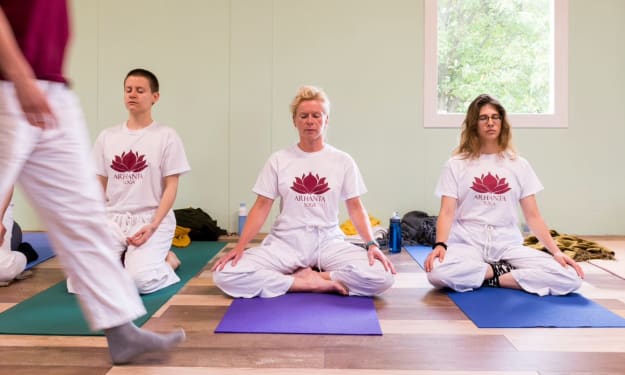
Yoga and meditation are essential in living a health and wellness lifestyle. Longevity highlights yoga poses, celebrities, trends, and fads.
The Top 10 Must-Have Home Exercise Equipment for Beginners
So, you've decided to get serious about your fitness and embrace the joy of working out at home. Whether you’re tired of overpriced gym memberships, long commutes, or simply prefer the freedom to sweat in your pajamas, exercising at home has its perks. But before you dive headfirst into the world of at-home workouts, you’ll need some basic equipment. Don’t worry—we’re not talking about the space-hogging, bank-breaking machines you’ve seen on infomercials. No, we’re going to introduce you to the top 10 must-have home exercise equipment pieces for beginners that will help you build strength, improve endurance, and maybe even make you look like you know what you’re doing.
By Future of Resilience 2 years ago in Longevity
Healthy Eating Takes Time
Learning how to cook for yourself or your family can be hard, confusing, and stressful. I am here to tell you that it is simple, but it takes time. Good food ALWAYS takes time. Think of it like an art piece. Do you think the painter got their piece done within 15 minutes? The answer is no. Food is art. Food is important. Food creates feelings and how you feel about preparing it goes into your food. So if cooking or baking is a challenge for you take a moment before you start to calm yourself down. Begin with journaling your thoughts on cooking or baking. Then take 3 deep breaths and begin.
By Marie Hanssen2 years ago in Longevity
The Journey of Renewal
In a small town lived a woman named Amina, a devoted housewife and mother of two. Her days were filled with the hustle and bustle of household chores, caring for her children, and managing family affairs. Despite her dedication, Amina often felt drained and unfulfilled. The weight of her responsibilities overshadowed her own well-being.
By Arshad Sajjad Khan2 years ago in Longevity
Embracing Spiritual Surrender for Inner Peace
In a society that values control, achievement, and constant striving, the idea of "letting go" can feel counterintuitive. We often believe that if we hold tightly enough to our desires, plans, and expectations, we can shape our lives exactly as we wish. But spiritual traditions teach a different path—one that embraces surrender, trust, and acceptance. Spiritual surrender is about releasing our attachment to outcomes and trusting that a greater wisdom is guiding us.
By Stephen Cool2 years ago in Longevity
Mastering Mindfulness - A Journey Through Meditation Teacher Training
Meditation, an ancient practice with roots in various spiritual traditions, has become a cornerstone for achieving inner peace, reducing stress, and enhancing overall well-being. In today's fast-paced world, more people are turning to meditation to find balance and mindfulness. But what is meditation, and why is it gaining such widespread popularity?
By Martin Walker2 years ago in Longevity
Roots and Wings
In an ever-evolving world, the challenge of balancing tradition and innovation is more relevant than ever. Tradition provides a sense of identity, continuity, and stability, while innovation drives progress, creativity, and growth. Striking the right balance between these two forces can lead to a harmonious blend that honors the past while embracing the future. This article explores the interplay between tradition and innovation, and how they can coexist to create a richer, more dynamic society.
By Sazeeb Chowdury2 years ago in Longevity
How to Stop Feeling Groggy in the Morning: Overcoming Sleep Inertia
It might sound like this: the alarm comes on and pierces through the quiet of the morning. You reach out to shut it off, hit the snooze button, but despite having hit it three or four times now, you still feel heavy. You are as though you have been pulled from the very depths of a dream you can't remember. The hollowness of these slightly different thoughts invades your mind: why is it so hard to shake this sleepiness?
By DEVASENAN SUBRAMANI2 years ago in Longevity
Drink before bed cuts inflammation and snoring, experts claim
Effective Ways to Reduce Snoring Naturally Snoring is a common issue that disrupts both your sleep and the sleep of those around you. It occurs when the airflow through the mouth and nose is partially obstructed, causing vibrations in the throat tissues. While there are various remedies and treatments available, several natural methods can help reduce or eliminate snoring. Here's a guide to some of the most effective strategies. 1. Limit Alcohol and Sedatives Both alcohol and sedative medications can relax the muscles in your throat, increasing the likelihood of snoring. These substances can cause your airways to narrow, making it harder for air to flow freely as you breathe during sleep. To minimize snoring, it's advisable to avoid alcohol and sedatives in the hours leading up to bedtime. This simple step can make a significant difference in reducing snoring episodes. 2. Essential Oils for Clearer Airways Certain essential oils can help alleviate snoring by clearing your nasal passages and improving airflow. Eucalyptus and peppermint oils are particularly effective in promoting better breathing. You can diffuse these oils in your bedroom before sleep or add them to a warm bath to enjoy their soothing effects. These oils not only help with snoring but also promote relaxation, helping you fall asleep faster. 3. Warm Herbal Teas for Relaxation Drinking warm herbal teas before bedtime is another natural remedy that can reduce snoring. Chamomile and ginger teas are especially beneficial as they help soothe the throat, reduce inflammation, and promote relaxation. These calming effects make it easier for you to drift off to sleep without the interruptions caused by snoring. Plus, the warmth of the tea helps to open up your airways, further decreasing the chances of snoring. 4. Anti-Inflammatory Foods to Reduce Throat Inflammation The foods you eat can have an impact on the amount of inflammation in your throat, which can contribute to snoring. Incorporating anti-inflammatory foods into your diet can help reduce this inflammation and minimize snoring. Foods like turmeric, rich in curcumin, and omega-3 fatty acids found in fatty fish such as salmon, are great choices. These foods help reduce swelling and promote healthier airways, which can result in quieter nights. 5. Maintain a Consistent Sleep Schedule A regular sleep schedule can improve the quality of your sleep and reduce the likelihood of snoring. Going to bed and waking up at the same time each day helps regulate your body’s internal clock, ensuring that you get enough rest. A consistent sleep routine can prevent sleep deprivation, which is a known contributor to snoring. 6. Stay Hydrated Dehydration can lead to the thickening of mucus in your throat, which increases the chances of snoring. Keeping your body well-hydrated ensures that your throat tissues remain moist, reducing the likelihood of obstruction. Drinking plenty of water throughout the day is essential for promoting better sleep and minimizing snoring at night. 7. Avoid Heavy Meals and Alcohol Before Bedtime Eating large or heavy meals too close to bedtime can put pressure on your diaphragm and make snoring more likely. Similarly, alcohol and sedatives relax the muscles in your throat and worsen snoring. Try to avoid consuming these substances at least two to three hours before going to bed. --- By incorporating these natural remedies into your routine, you can significantly reduce snoring and enjoy a more peaceful night's sleep. Whether it's adjusting your diet, using essential oils, or maintaining a consistent sleep schedule, small changes can have a big impact on your overall sleep quality.
By Sonusharma2 years ago in Longevity