wellness
The state of being in great health, and continually striving to attain all of your goals.
10 Life-Changing Habits
What if the biggest changes in your life didn’t come from grand gestures, but from the smallest daily choices? Imagine transforming your mindset, health, and productivity—not by overhauling your entire life—but by building just a few simple, science-backed habits. In a world full of noise and quick fixes, these 10 life-changing habits are practical, proven, and powerful enough to reshape your future—one day at a time.
By MAROOF KHANabout a year ago in Longevity
Top 10 Superfoods You Should Add to Your Daily Diet. AI-Generated.
Top 10 Superfoods You Should Include in Your Daily Diet Hook: Your Health Is Built One Bite at a Time We live in a world where we're constantly told what not to eat—cut carbs, skip sugar, avoid fat. But what if we shifted our focus to what we should eat instead?
By HAMMAD KHAN OFFICIALabout a year ago in Longevity
17th May world hypertension day
Every year on May 17, the world observes World Hypertension Day, a global health campaign dedicated to raising awareness about hypertension, more commonly known as high blood pressure. Organized by the World Hypertension League (WHL), this day serves as a powerful reminder of the urgent need to detect, understand, and control this "silent killer" before it claims more lives. What is Hypertension and Why Should You Care? Hypertension is a medical condition in which the force of blood against artery walls is consistently too high. Often, it presents no obvious symptoms, which is why it is frequently referred to as a silent killer. Left untreated, hypertension can lead to devastating consequences including heart attacks, strokes, kidney failure, and premature death. The most alarming aspect? Over 1.28 billion adults worldwide have hypertension, but nearly half are unaware of their condition. Among those who are diagnosed, many do not have their blood pressure under control. These numbers make it clear that hypertension isn’t just a personal health issue—it’s a global public health crisis. Theme for 2025: “Measure Your Blood Pressure Accurately, Control It, Live Longer” The theme for World Hypertension Day 2025 continues to emphasize the importance of accurate blood pressure measurement. Accurate readings are crucial for effective diagnosis and management. Unfortunately, improper measurement techniques and faulty devices are still common in both clinical and home settings. This year's theme is not just a slogan—it’s a call to action. The World Hypertension League, alongside partners like the International Society of Hypertension and the World Health Organization (WHO), is encouraging health professionals and individuals alike to adopt validated measuring tools and follow best practices. Why the Date Matters: Spotlight on Prevention Choosing a day to spotlight hypertension might seem symbolic, but it carries profound purpose. On May 17, governments, healthcare institutions, and NGOs across the globe organize free blood pressure screenings, educational seminars, and community outreach programs. These efforts are especially vital in low- and middle-income countries, where healthcare access remains limited and awareness is critically low. For example, in South-East Asia alone, over 294 million people suffer from hypertension, many of whom are undiagnosed or inadequately treated. In regions like Sub-Saharan Africa and parts of the Middle East, similar patterns exist, making the global response even more essential. What You Can Do Today You don’t have to be a healthcare worker to contribute to this cause. Here are five simple actions you can take on World Hypertension Day—or any day: 1. Check Your Blood Pressure: Visit a clinic or use a validated home monitor. 2. Share Awareness: Talk about hypertension with friends and family. Your words may save a life. 3. Adopt a Heart-Healthy Lifestyle: Limit salt, sugar, and alcohol. Exercise regularly and avoid smoking. 4. Support Public Health Initiatives: Participate in local awareness events or fundraisers. 5. Follow Up: If diagnosed with high blood pressure, adhere to prescribed treatments and monitor your condition regularly. The Future of Hypertension Control Innovations in technology and telemedicine are beginning to reshape how we monitor and manage blood pressure. Smartwatches, mobile health apps, and AI-based monitoring tools are making it easier for people to stay informed and connected to their health data. However, no matter how advanced the tools become, the core principle remains the same: awareness, accurate measurement, and consistent management. These three pillars can reduce the global burden of hypertension and save millions of lives. Final Thoughts World Hypertension Day is more than a date on the calendar—it’s a global wake-up call. With rising stress levels, unhealthy lifestyles, and poor diet choices becoming increasingly common, hypertension is touching more lives than ever. But knowledge is power. By spreading awareness, encouraging regular checks, and advocating for better healthcare access, we can control this silent threat and pave the way for healthier communities worldwide. So this May 17, take a moment to check your blood pressure—and remind someone you love to do the same. It might just save a life. #world hypertension day #unitedstates #Health#america
By Dr Gabriel about a year ago in Longevity
Why Walking 30 Minutes a Day is the Best Exercise You’re Ignoring
Let’s be honest for a second. When people talk about fitness these days, it feels like you either need to deadlift a small truck or sign up for a hot yoga class where you sweat so much, your soul evaporates. But what if I told you that one of the most underrated, most effective, and free exercises is something you already know how to do and probably do every day without thinking?
By Chinedum Johnabout a year ago in Longevity
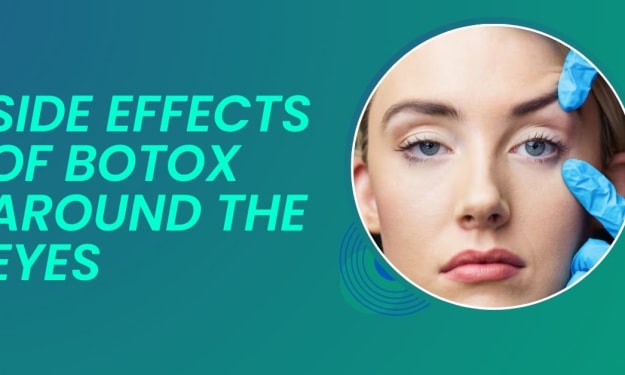
Side Effects of Botox Around the Eyes
Side effects of botox around the eyes can vary from minor swelling to more concerning issues like drooping eyelids or vision disturbances. As more people search for the best botox doctor near me, understanding what could go wrong helps you make more informed and safer choices. Botox, while widely celebrated for its anti-aging effects, especially for crow’s feet and under-eye wrinkles, can sometimes produce unintended side effects. Before undergoing treatment, it’s crucial to weigh the benefits against the possible drawbacks so you can manage expectations and prioritize safety.
By john albertabout a year ago in Longevity
You Won’t Believe What Fully Rejuvenated Gums Look Like — Doctors Are Speechless!
Most of the time, we only pay attention to our gums when there’s an issue. A little bleeding when brushing? We ignore it. A bit of swelling? Eh, maybe it’ll go away. But did you know that rejuvenating your gums is as easy as following a simple process? To be honest, I didn’t think it was true. Until I could see it for myself.
By Mohit Ranaabout a year ago in Longevity
Protect Your Heart
Heart disease remains one of the leading causes of death worldwide. Despite advances in medical science, the best defense against heart-related illnesses is prevention. By adopting a heart-healthy lifestyle, individuals can significantly reduce their risk of developing conditions like heart attacks, stroke, and high blood pressure. This article provides practical tips and guidance for preventing heart disease and maintaining overall cardiovascular health. 1. Eat a Heart-Healthy Diet One of the most effective ways to prevent heart disease is by maintaining a nutritious and balanced diet. Choose foods that are low in saturated fats, trans fats, cholesterol, and sodium. Eat more fruits and vegetables: These are rich in vitamins, minerals, and antioxidants that protect the heart. Choose whole grains: Foods like oats, brown rice, and whole wheat help control cholesterol levels. Limit red meat and processed foods: These are often high in saturated fats and sodium. Add healthy fats: Incorporate sources of unsaturated fats such as olive oil, nuts, seeds, and avocados. 2. Exercise Regularly Physical activity strengthens the heart muscle, improves blood circulation, and helps maintain a healthy weight. Aim for at least 150 minutes of moderate-intensity exercise per week, such as brisk walking, cycling, or swimming. Include strength training exercises at least twice a week to maintain muscle and bone health. Find activities you enjoy to make exercise a long-term habit. 3. Maintain a Healthy Weight Being overweight or obese significantly increases your risk of heart disease, particularly when fat accumulates around the abdomen. Use the Body Mass Index (BMI) and waist circumference as tools to monitor your weight. Combine a healthy diet with regular exercise to lose weight gradually and sustainably. 4. Control Blood Pressure and Cholesterol High blood pressure and cholesterol are major contributors to heart disease. Monitor your blood pressure regularly. The ideal reading is typically below 120/80 mm Hg. Get your cholesterol levels checked at least once every 4–6 years, or more frequently if you're at risk. Reduce salt intake, avoid processed foods, and take medications if prescribed by your doctor. 5. Avoid Smoking and Limit Alcohol Tobacco use is one of the leading risk factors for cardiovascular diseases. Quit smoking immediately if you do. Seek professional help or support groups if needed. Limit alcohol consumption — excessive drinking can raise blood pressure and add empty calories. 6. Manage Stress Effectively Chronic stress can contribute to heart problems through increased blood pressure, unhealthy eating, or smoking. Practice relaxation techniques such as deep breathing, yoga, or meditation. Make time for hobbies, socializing, or simply resting. Don’t hesitate to seek help from a mental health professional if stress becomes overwhelming. 7. Get Regular Health Checkups Prevention begins with awareness. Regular medical checkups help detect early signs of heart disease. Get screened for diabetes, hypertension, and cholesterol regularly. Follow your doctor’s advice and take prescribed medications as directed. Certainly! Here are 220 additional words with more practical tips for preventing heart disease: 8. Stay Hydrated Drinking enough water helps maintain proper blood volume and circulation. Aim for 6–8 glasses of water daily, and reduce sugary drinks and sodas. 9. Get Quality Sleep Poor sleep is linked to high blood pressure and obesity. Adults should aim for 7–9 hours of sleep each night. Create a calming bedtime routine and limit screen time before bed. 10. Monitor Blood Sugar High blood sugar can damage blood vessels and the heart over time. Even if you’re not diabetic, it’s important to check your sugar levels regularly, especially if you have a family history. 11. Cook More at Home Preparing meals at home lets you control ingredients, portion sizes, and reduce salt, sugar, and unhealthy fats. Try heart-healthy recipes rich in vegetables and lean proteins. Final Thoughts Heart disease may be common, but it is also largely preventable. By making smart, health-conscious decisions every day, you can protect your heart and enjoy a long, energetic life. Remember, small changes — such as choosing a salad over fries or walking instead of driving — add up over time. Your heart will thank you. #HeartHealth #HealthyLiving #WellnessJourney #LiveWell #HealthTips #PreventHeartDisease #HealthyHeart #HeartStrong #HeartSmart #LoveYourHeart #GoRedForWomen (American Heart Association campaign) #HeartMonth (used in February, Heart Health Month) #AmericanHeartAssociation #FightHeartDisease #KnowYourNumbers #FitnessForLife #EatClean #NoMoreSodium #SmokeFreeLife #MindBodyHealth
By Dr Gabriel about a year ago in Longevity
The Secret to Daily Joy? It’s Called Vitamin P
Meet Vitamin P—not some mystery pill, but the nickname for bioflavonoids, a colorful crew of plant compounds that pack a powerful punch. Found in vibrant fruits, veggies, and even a bit of dark chocolate, these yellow-toned polyphenols are like nature’s highlighters—literally giving plants their bold, beautiful colors.
By Krishna Mohan Modekurti about a year ago in Longevity
What Makes a Reliable Chemist Shop in Panchkula Essential for Everyday Healthcare. AI-Generated.
In today's fast-paced world, having access to the right healthcare resources is not just convenient—it’s essential. Whether you're managing a chronic condition, looking for over-the-counter medication, or need emergency prescriptions, the role of a trustworthy Chemist Shop in Panchkula becomes crucial. More than just a place to buy medicines, a reliable chemist plays a vital role in ensuring the well-being of individuals and families.
By ANIL CHEMISTSabout a year ago in Longevity