social media
Social Media targeted at influencers and trending topics in the Longevity digital universe.
How to Pair Coffee With Your Morning Routine for Maximum Energy
For years, I started my mornings the same way: roll out of bed, stumble to the kitchen, and grab that first cup of coffee as fast as possible. It felt like the only way to survive the morning fog. But as much as I loved my ritual, I noticed something strange: I’d still be dragging through parts of the day. Sometimes I even needed another cup before 10 a.m.
By Jaxon Reedabout a year ago in Longevity
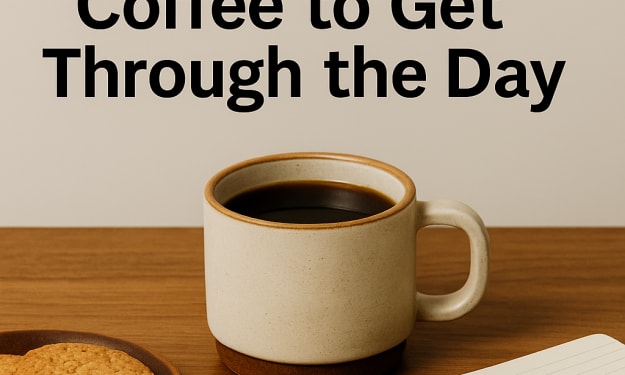
How to Stop Depending on Multiple Cups of Coffee to Get Through the Day
For years, I thought coffee was the answer to everything. Tired? Coffee. Stressed? Coffee. Struggling to focus at 3 p.m.? More coffee. I wasn’t just enjoying a morning ritual anymore, I was surviving on it. At one point, I was drinking four or five cups a day and still felt exhausted.
By Jaxon Reedabout a year ago in Longevity
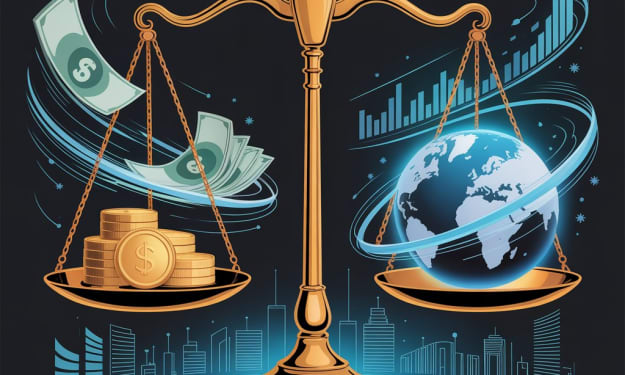
Monetary Distribution Explained: Inside GANDSPASS’s Animated Guide to Economic Balance
Ever felt a news report about interest rates or inflation go straight over your head? You're not alone. Understanding how money moves, who benefits, and why economies wobble can feel like deciphering an ancient code. That’s where new educational tools like GANDSPASS's "Monetary Distribution – Balancing the Economy" video series aim to bridge the gap. Promising visually rich animations and storytelling to demystify complex topics, it’s generating buzz. But is this premium-priced series the key to unlocking economic literacy? Let’s dive in and separate the substance from the sales pitch.
By Epic Vibesabout a year ago in Longevity
5 Morning Coffee Hacks Nutritionists Wish You Knew
If you’re like most people, your morning coffee is more than caffeine, it’s a ritual. But small choices around how you drink it can turn that ritual into a stealth energy-drainer… or a powerful metabolism ally.
By Jaxon Reedabout a year ago in Longevity
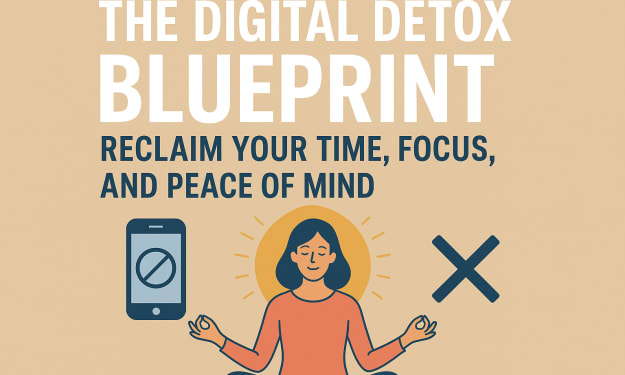
The Digital Detox Blueprint: Reclaim Your Time, Focus, and Peace of Mind
Introduction In today’s fast-paced, notification-filled world, our attention is a valuable resource and it faces constant pressure. The average person checks their phone over 100 times a day, often without even noticing. While technology offers convenience, it can also harm focus, impact mental health, and take away precious time. The digital detox guide is not about completely giving up devices; it’s about building a more balanced relationship with them. This way, you can regain your time, sharpen your mind, and find calm. Here’s how to make this work for you.
By Kyle Butlerabout a year ago in Longevity
The Unintentional Consequences Of Not Understanding Complete Systems
I was speaking with a Client Today... They were asking about whether it would make sense to use a Specific Supplement. The Supplement (Supposedly) has Anti-Inflammatory Properties.
By H.E. Dr. Cody Dakota Wooten, COIE, DFM, DHMabout a year ago in Longevity
A complete guide to knowing the role of HbA1c Test
Health checkups are not just about blood pressure or cholesterol levels. For many people, especially those at risk for diabetes, the HbA1c test is a key tool to monitor blood sugar trends over time. It helps detect diabetes early, manage existing conditions, and assess treatment effectiveness. Knowing what the test measures and when to take it can make a big difference in preventing long-term complications.
By Lucy watsonabout a year ago in Longevity
Which Country Is the Best for Living? The 2025 Global Guide
Introduction: A Global Question With Many Answers Ask ten people Which country is the best for living? and you’ll probably get ten different answers. That’s because “best” depends on what you value most — safety, income, healthcare, natural beauty, culture, or maybe just great weather year-round. In our interconnected world, more people are considering moving abroad for better opportunities, a higher quality of life, or simply a fresh start. But where should you go in 2025? Let’s dive into the data, trends, and real-life stories to find out.
By Farooq Hashmiabout a year ago in Longevity
“How I Took Control of My Diabetes—And The Diet That Saved My Life”
How I Took Control of My Diabetes—And The Diet That Saved My Life By Umar Farooq I remember the moment like it was yesterday. The doctor looked at me with concern and said, "Your blood sugar levels are dangerously high. You have Type 2 Diabetes." At 42, I thought I was just tired, overworked, maybe a little overweight—but I didn’t think I was sick. That diagnosis hit me like a truck. The first few weeks were filled with fear and confusion. I had no idea what to eat, what to avoid, or how I got here. My diet had always been what you’d call “normal”—parathas in the morning, sugary tea, a heavy lunch, and fast food dinners when work got too hectic. I didn’t realize how those choices were silently hurting me. This is my story—not of a perfect recovery, but of real change, slow improvement, and the power of food. --- The Wake-Up Call When I got diagnosed, my fasting blood sugar was 190 mg/dL. The doctor warned me that if I didn’t make changes fast, I would face long-term complications: eye damage, nerve issues, even heart disease. I was prescribed metformin, a common diabetes medication. But my doctor said something that stuck with me: > “Medicine will help manage your sugar levels—but only your diet and lifestyle will truly change the game.” That’s when I started researching everything I could about diabetes and diet. I watched YouTube videos, read articles from Mayo Clinic, WebMD, and Harvard Health. And slowly, a pattern started to emerge: low-glycemic, high-fiber, balanced nutrition was key. --- Breaking Up With Sugar The first major enemy? Refined sugar. I went cold turkey. No more soft drinks, no more sugary tea, no desserts after dinner. Instead, I switched to: Unsweetened herbal teas Water with lemon Fruits like berries (low GI) Stevia or monk fruit as natural sweeteners Within 2 weeks, I noticed I wasn’t craving sugar anymore. My energy was stable. My mood improved. --- Rebuilding My Plate I learned a rule that saved me: “Half your plate veggies, a quarter lean protein, a quarter whole grains.” Here’s what my typical day looked like after the change: Breakfast: Rolled oats with chia seeds, almonds, and a few blueberries Boiled egg or Greek yogurt Lunch: Grilled chicken breast or tofu Brown rice or quinoa A big salad with olive oil & lemon dressing Snack: A handful of mixed nuts Apple slices with peanut butter Dinner: Lentil soup or baked fish Steamed broccoli, spinach, or kale A small sweet potato or barley I also drank at least 8 glasses of water a day and avoided anything fried. --- Grocery Shopping: The Game Changer One of the best pieces of advice I received online was: “Shop the perimeter of the grocery store.” That’s where the fresh food is—produce, dairy, meat. The processed stuff lives in the center aisles. So every Sunday, I created a list and shopped with a plan. No random snacks, no “just in case” cookies. Everything I bought had a purpose. --- The Results: A Real Turnaround After 3 months, I went back to the doctor. Here were the results: Fasting blood sugar: Down from 190 to 115 mg/dL Weight: Lost 16 pounds Energy levels: Stable, no crashes Medication: Cut in half Even the doctor was surprised. He said, “Most people rely only on pills. You did the hard part—changing your habits.” --- What I Wish I Knew Earlier Here are some lessons I want to share with anyone dealing with diabetes: 1. Carbs aren’t the enemy—bad carbs are. Choose whole grains, beans, and fiber-rich veggies. 2. Track your food. I used a free app called MyFitnessPal. It showed me hidden sugars and carbs I never noticed before. 3. Portion size matters. You can eat rice or potatoes—but keep it small. 4. Sleep and stress impact sugar too. I started walking daily and doing light meditation. It helped big time. 5. Don’t skip meals. Skipping meals made my sugar crash and led to binge eating later. --- Diabetes Is Not a Sentence—It’s a Signal Getting diagnosed felt like the end of the world. But in reality, it was a second chance. A warning. A reset button. Today, I still check my sugar levels daily. I still crave pizza sometimes. And yes, I do enjoy the occasional dessert—but with control and balance. This journey taught me that food is not just fuel. Food is medicine. --- Final Thoughts: My Message to You If you or someone you love is battling diabetes, know this: You have more power than you think. Every small choice counts. Your next meal can either spike your sugar—or support your healing. Take it one meal, one walk, one day at a time. And never underestimate what real, wholesome food can do for your body and mind. Because if I can turn it around—you can too.
By Umar Farooqabout a year ago in Longevity