self care
For a healthy mind, body, and soul.
Small Habits, Big Life
I used to think that in order to change my life, I had to make some big moves—quit my job, move to a new city, start a business, join a gym, or read a dozen self-help books. I was waiting for the “perfect moment” when everything would finally fall into place and I’d feel like I had it all figured out. But that moment never came. What did come were small realizations. Quiet ones. The kind that sneak into your routine when you're not even looking. And slowly, I discovered something I wish I’d known years ago: Big changes start with small habits. Not the kind of habits that get a thousand likes on Instagram. I’m talking about the tiny, often invisible decisions we make every single day—the ones that seem too small to matter, but somehow... they do. It started with water. Yes, water. Just one glass in the morning before checking my phone. I had read somewhere that your brain needs hydration to function well. So, I tried it. One small habit. Then came the second one: a ten-minute walk every day, no matter what. Not a run. Not a hike. Just a walk. No pressure. No expectations. Just me and the world, moving slowly. I added one more thing: every evening, before I got lost in my phone or Netflix, I asked myself one question: “What did I learn today?” Sometimes the answer was something simple, like “I learned that I need more sleep.” Other days, it was deeper: “I learned that I avoid difficult conversations because I’m scared of being judged.” Each small habit became a mirror, showing me who I was becoming. Then I started writing down one line every night: “What made me smile today?” It could be anything. A kind message. A stranger’s smile. My favorite song playing in a random cafe. These small joys became anchors. No matter how stressful the day was, I always found one reason to be grateful. And that’s when the magic started to happen. No, I didn’t become rich overnight. I didn’t suddenly find the love of my life or wake up with perfect confidence. But I started showing up for myself in ways I never had before. I began to trust myself more. I felt calmer. I stopped chasing perfection and started choosing progress. I started living, not just surviving. The truth is, we wait too long to feel “ready.” We tell ourselves we’ll start journaling on Monday, eating better next month, or meditating when life gets less crazy. But life never gets less crazy. And waiting only keeps us stuck. So, here’s what I learned—and maybe it’ll help you too: You don’t need to change your entire life overnight. You don’t need a big reason to start small. You don’t need to be perfect to begin. You just need to begin. Choose one small habit. One tiny thing that feels almost too easy. Like drinking water. Or walking for five minutes. Or writing one sentence a day. Do it for a week. Then two. Then three. You’ll be amazed at how those small things start changing how you see yourself. You’re not lazy. You’re not unmotivated. You’re just tired of starting things that feel impossible to finish. So make it possible. Start small. Stay consistent. Show up—even on the days when you don’t feel like it. Especially on those days. That’s when growth really happens. Today, my life isn’t perfect. But it feels mine. Authentically mine. And I owe it all to those little habits I once thought were too small to matter. If no one’s told you lately: You’re allowed to start over. You’re allowed to take it slow. You’re allowed to be a work in progress. You just have to take the first step. I did. Now it’s your turn.
By HerGlowJournalabout a year ago in Longevity
Angelic Delight, Red Cardinal in Flight
Good morning and happy Monday, Vocal Media community, and welcome to the April 14 edition of my Monday Morning Huddle. Today, I am thrilled to share the photo of a red cardinal in flight. I have been waiting for my chance to capture her all wings out, flying in the sky, and my chance finally arrived yesterday on a beautiful Sunday morning.
By Marilyn Gloverabout a year ago in Longevity
Mama, Why Is Your Skin So Dry?
Many of you know I take care of my sick Mama a lot. Papa does a good job, but right now work has him gone right now. And bless my brother-in-law's heart. But he is very much a simple man when it comes to personal hygiene. Neither one of them knows that women, though we don't need anything fancy by far, need a little more maintenance.
By Hope Martinabout a year ago in Longevity
Hay Fever Relief: 20 Doctor-Approved Tips to Beat Allergies This Summer
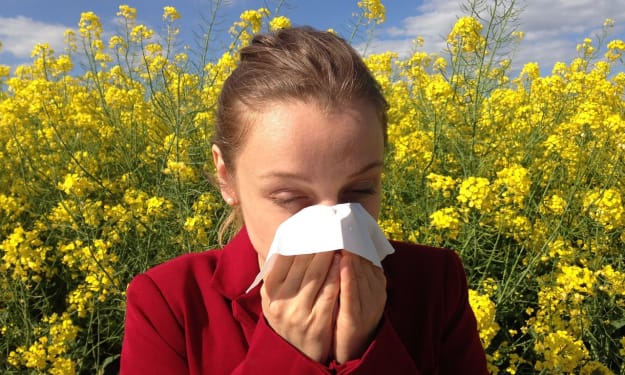
Do you dread the sunny season because of sneezing, itchy eyes, and a stuffy nose? Hay fever, also known as allergic rhinitis, affects millions, especially during high pollen seasons. But don't worry—experts and allergy doctors have shared their best advice to help you beat hay fever and breathe easy again. What Is Hay Fever? Hay fever is an allergic reaction caused by pollen from trees, grass, and weeds. It leads to inflammation in your nose, eyes, and throat. You may feel itchy, sneezy, congested, or have watery eyes. It’s not something you’re born with—it can develop later in life, even in your 20s or 30s. Why Hay Fever Is Getting Worse Thanks to climate change, plants are producing more pollen. This makes hay fever season start earlier and last longer. According to doctors, about 25% of adults in the UK have a pollen allergy—and that number is rising. Common Symptoms of Hay Fever
By Akrang Raja about a year ago in Longevity
Nicotine and Alzheimer’s Disease: A Complex Chemistry of Hope and Risk
Unveiling the Intricate Relationship Nicotine—often vilified as the addictive engine behind tobacco—has begun to reemerge under the scientific spotlight, not as a villain, but as a potential ally in the war against Alzheimer’s disease. In recent years, research has started peeling back the layers of this controversial compound, revealing complex mechanisms that may impact the development and trajectory of Alzheimer’s. Far from a simple stimulant, nicotine engages the brain’s chemistry in ways that continue to puzzle and intrigue researchers. The story unfolding is not one of black-and-white answers, but of grey areas rich with both promise and peril.
By Kamel Saidaniabout a year ago in Longevity
The Incredible Egg
"The Misunderstood Champion" For centuries, eggs have been a breakfast staple–simple, humble, yet packed with more nutrition than most so-called "superfoods". Yet somewhere along the way, fear crept in. "Aren’t eggs bad for cholesterol?" "Won’t they clog my arteries?" However, we need facts–science has cleared the charges once held against the egg. Not only are they not capable of harm–they’re one of the most nutrient-filled dishes on Earth. Let’s crack open the “8 proven benefits” of eggs and discover why they deserve a permanent spot on your plate. 1. The Cholesterol Myth: Why Eggs Don’t Harm Your Heart Yes, eggs contain cholesterol–about ‘187mg per egg’ (two-thirds of your daily intake). But here’s the twist: “dietary cholesterol doesn’t spike blood cholesterol" “like we once thought”. - Studies reveal that “70% of people experience no rise in LDL (a.k.a ‘bad’ cholesterol) from eggs.” - Eggs actually boost HDL (a.k.a ‘good’ cholesterol), which protects your heart. - The liver produces cholesterol daily–if you eat more, it simply makes less (Cholesterol homeostasis). Verdict: Eggs aren’t the villain. They’re a “heart-healthy food”. 2. Choline: The Brain’s Secret Weapon (You’re Probably Deficient) Ever heard of “choline”? Most people haven’t—yet it’s “vital for brain function, cell membranes, and liver health”. - “One egg = 100mg+ of choline” (25% of your daily needs). - Critical for “memory, fetal brain development, and detoxification”. - Low choline? Linked to “fatty liver disease and cognitive decline”. Fun fact: Pregnant women need *extra choline—and eggs are the easiest source! 3. Heart Protector: Eggs Fight LDL Cholesterol For decades, eggs were blamed for heart disease. Now, research flips the script: - Eggs *raise HDL* (the "cleanup crew" cholesterol). - They *change LDL particles from small/dense (dangerous) to large/fluffy (harmless). - A 2020 study found “no link between eggs and heart disease in healthy adults. Bottom line: Eggs reduce heart risks, not worsen them. 4. Eye Armor: Lutein & Zeaxanthin (Nature’s Sunglasses) Aging eyes face macular degeneration—the leading cause of blindness. Eggs fight back: - Loaded with lutein and zeaxanthin, antioxidants that ‘shield your retinas’. - Studies show ‘egg eaters have 20-30% lower cataract risk’. - These nutrients are *better absorbed from eggs than spinach* (thanks to the fat in yolks!). Pro tip: Want maximum eye benefits? Don’t skip the yolk!
By FAVOURFRANCIS OFILIabout a year ago in Longevity
How climate change is supercharging pollen allergies
Climate change amplifies the potency of pollen allergies, making them more severe than ever. Climate change presents itself as a current life-threatening issue through unexpected impacts that affect our daily routines. Pollen allergies have emerged as a prevalent medical complication that ranks among the most unpleasant allergies today. Allergy seasons are becoming longer and more severe based on reports from worldwide populations that suffer from allergic reactions. Seasonal symptoms such as sneezing and eye itching, along with respiratory discomfort, now qualify as long-term health issues. But why is this happening? The rising temperature of the Earth affects the seasonal cycle of plants that produce pollen.
By Fuad Naserabout a year ago in Longevity
Effective and Sustainable Weight Loss: Finding the Right Approach for You
America’s struggle with weight is no secret. Nearly 75% of adults face challenges with being overweight or obese, according to the CDC. Despite millions investing time and money into diets each year, lasting success remains elusive for many. The truth is, sustainable weight loss isn’t about quick fixes or extreme restrictions—it’s about creating a personalized, balanced lifestyle that you can maintain long-term. Let’s explore practical strategies to help you achieve your goals. The Foundation of Healthy Weight Loss Before diving into any diet plan, start by setting clear, realistic goals. Ask yourself:How much weight do I need to lose to feel healthier? Break your goal into smaller steps, like losing 1–2 pounds per week. This steady pace helps your body adjust and reduces the risk of regaining weight. Focus on building habits that fit your life, such as cooking more meals at home or adding daily walks. The key to lasting change is choosing a plan that keeps you motivated and energized. Avoid extreme diets that promise rapid results but leave you feeling deprived. Instead, prioritize balanced nutrition and gradual adjustments. What Does a Healthy Diet Look Like? A healthy diet isn’t about strict rules—it’s about nourishing your body with natural, nutrient-rich foods. Aim for meals that include:
By Akrang Raja about a year ago in Longevity
The Dark Side of Positive Thinking (And What to Do Instead)
In today’s fast-paced, Instagram-filtered world, we’re constantly bombarded with the mantra of “good vibes only.” It’s the idea that positive thinking will lead to positive outcomes, and that if you just think happy thoughts, everything will fall into place. But is this relentless push for optimism really the key to a fulfilling, successful life? Or is there a hidden cost to “good vibes only” that we need to address?
By Fahad Khanabout a year ago in Longevity