self care
For a healthy mind, body, and soul.
How I Rebuilt My Strength (And My Bones)
I never thought much about my bones — not until they started breaking. A few years ago, after a minor slip in my kitchen, I fractured my wrist. It wasn’t a serious fall. I’d barely stumbled. But the X-ray told a bigger story: my bones were fragile — dangerously so.
By Bright Future Dailyabout a year ago in Longevity
From Noise to Calm How I Finally Found Relief from Tinnitus and Mental Fatigue
For years, I lived with a constant, invisible frustration: a ringing in my ears that never went away. Some days, it was a soft hum — annoying but tolerable. Other days, it felt like sirens screaming through my brain, making it nearly impossible to concentrate, rest, or even enjoy silence.
By Bright Future Dailyabout a year ago in Longevity
13 Superfoods That Naturally Support Kidney Health and Prevent Disease
Discover 13 kidney-friendly superfoods that reduce inflammation, improve detoxification, and support long-term kidney health. Learn how to incorporate these powerful foods into your daily diet.
By Tech Horizonsabout a year ago in Longevity
5 Best Home Workouts to get you in Shape
It might be difficult to find time to work out in the fast-paced world of today. Fortunately, staying in shape doesn't require a costly gym membership or pricey equipment. You may work out whenever it's convenient for you with at-home workouts that can be just as effective. These are the top five at-home exercises that will help you reach your fitness objectives without going outside.
By Shahjalal Shakikabout a year ago in Longevity
What Happens to Your Body When You Eat Too Much Protein
What Happens to Your Body When You Eat Too Much Protein Protein is an essential macronutrient that plays a vital role in building and repairing tissues producing enzymes and hormones and supporting overall growth and development. It's especially important for athletes bodybuilders and people looking to lose weight or build muscle. But as with anything in life too much of a good thing can have downsides. Consuming excessive protein particularly over a long period can lead to several unintended consequences for your body.
By Adnan Rasheedabout a year ago in Longevity
Chia Seed Water for Belly Fat: Does This Viral Drink Actually Work?
In the ever-evolving world of weight loss trends, one simple drink has taken the spotlight: chia seed water. Touted as a belly fat buster and a natural way to boost digestion and satiety, chia seed water has become a morning ritual for many health enthusiasts. But does it really help with fat loss—especially around the belly area? Let’s explore the science behind this trending superfood and how to use it effectively for weight management. What Is Chia Seed Water? Chia seed water is exactly what it sounds like: a tablespoon of chia seeds soaked in a glass of water for 15–20 minutes until they swell and form a gel-like consistency. During this time, the seeds absorb up to 10 times their weight in water. Once hydrated, they create a viscous, fibrous mixture that’s easy to consume and packs numerous health benefits. But what makes chia seeds such a potent part of a weight loss regimen? 1. High Fiber Content Keeps You Full Longer One of the biggest benefits of chia seeds is their high fiber content. Just two tablespoons contain about 10 grams of dietary fiber—almost 40% of your recommended daily intake. When soaked in water, the soluble fiber in chia seeds forms a gel in the stomach. This slows down digestion and makes you feel fuller for longer periods, reducing the urge to snack between meals or overeat at your next one. The feeling of satiety that chia seeds provide can lead to an overall reduction in calorie intake, which is essential for weight loss, especially when targeting stubborn belly fat. 2. A Natural Plant-Based Protein Source Chia seeds aren’t just about fiber—they also contain an impressive amount of plant-based protein. This macronutrient is essential for maintaining muscle mass, especially when you're trying to lose weight. Muscle burns more calories at rest than fat, which means that preserving lean muscle helps boost your resting metabolic rate. Adding chia seed water to your morning routine can help give your body a protein kick while keeping calories in check. 3. Rich in Omega-3 Fatty Acids Most people associate omega-3 fatty acids with fish oil, but chia seeds are one of the best plant-based sources of these healthy fats. Omega-3s are known for their anti-inflammatory properties, which are especially important when dealing with obesity-related inflammation. While omega-3s may not directly burn belly fat, they help regulate hormones and reduce cortisol levels—the stress hormone linked to belly fat accumulation. This hormonal balancing act can indirectly support fat loss efforts. 4. Helps Regulate Blood Sugar and Reduce Cravings Fluctuating blood sugar levels often lead to energy crashes and sugar cravings—two major obstacles in any weight loss journey. Chia seeds can help stabilize blood glucose levels thanks to their fiber and protein content, which slows the absorption of sugar into the bloodstream. When consumed regularly, chia seed water can help reduce insulin spikes, encouraging the body to burn stored fat rather than continue to store it. 5. Supports Healthy Digestion and Reduces Bloating Constipation and bloating are common issues that can make your stomach feel larger than it actually is. The fiber in chia seeds not only promotes satiety but also improves digestion and regular bowel movements. This natural detoxification process reduces bloating and helps create a flatter-looking stomach. When you’re aiming to reduce belly fat, it’s crucial to address both fat accumulation and digestive health. Chia seed water tackles both effectively. How to Make and Use Chia Seed Water for Weight Loss Incorporating chia seed water into your daily routine is simple, affordable, and versatile. Here’s how to get started: Basic Recipe: Mix 1 tablespoon of raw chia seeds in a glass of water (about 250 ml). Stir well and let it sit for 15–30 minutes until the seeds swell and the water takes on a gel-like texture. Drink it before meals—ideally in the morning or before lunch—to enhance fullness and curb appetite. Flavor Variations: Add a squeeze of lemon or a dash of honey to enhance the taste. You can also infuse the water with mint or cucumber for a refreshing twist. Other Ways to Use Chia Seeds: Add to smoothies for a fiber-rich texture Stir into yogurt or oatmeal Make overnight chia pudding using plant-based milk and natural sweeteners Sprinkle on salads or blend into baked goods
By Tech Horizonsabout a year ago in Longevity
Easy Ways to Lose Weight Fast With No Much Effort
The Internet is home to countless tips on how to slim down and get fit but let's be real here, most of them are easier said than done that's why I’m bringing to you a list of the most effective yet effortless things you can do to shed those unwanted pounds so let's get to it.
By Kevin's Home Aloneabout a year ago in Longevity
Understanding Sleep Cycles: How to Wake Up Refreshed
Waking up feeling groggy and unrested, even after a full night’s sleep, is a common experience. The culprit? Disrupted sleep cycles. When it comes to feeling truly rested, it’s not just about how long you sleep—it’s about how you sleep. In this guide, we’ll explore sleep cycles explained in detail, the science behind feeling refreshed, and how you can harness this knowledge to wake up energized every morning.
By Richard Baileyabout a year ago in Longevity
How Social Media Has Damaged Us in a Way No Evil Can
The Digital Trap We Built Ourselves Social media began with promise. It gave everyone a voice, the ability to connect with people worldwide, and the power to share thoughts instantly. It was supposed to be revolutionary — a tool for expression, growth, and unity. But something changed. Over time, the platforms designed to empower us began to quietly chip away at our attention, self-worth, and inner peace. The harm wasn’t caused by an enemy. It wasn’t a malicious force in the shadows. The damage came slowly, silently — and we let it happen. This is the danger: the most powerful damage is the kind we choose ourselves. --- The Illusion of Connection At first glance, social media looks like a miracle. You can “connect” with thousands, even millions. You can share thoughts, photos, videos — moments from your life. But what we’ve created isn’t connection. It’s a simulation of it. We’ve replaced face-to-face conversations with comments and likes. Genuine check-ins have become reactions to stories. Instead of building deep, meaningful relationships, we now measure our worth through numbers on a screen. We feel lonely in a sea of notifications. Because scrolling through hundreds of faces doesn’t mean anyone really knows you. --- The Curse of Comparison Scroll for five minutes, and you’ll feel it: the weight of comparison. Everyone online seems to be doing better — traveling the world, working perfect jobs, living in luxury, always smiling. It’s easy to feel like you’re behind or not doing enough. But most of it is a highlight reel — edited, filtered, and posed. Still, your brain doesn't care. It sees someone else’s win and feels like your loss. Comparison slowly eats at your self-esteem. It makes you question your worth. Over time, it convinces you that your life is small — even if it’s full of beautiful, real moments. --- The Algorithm Isn’t Your Friend Every time you open your favorite app, you’re not just browsing freely. You’re interacting with an algorithm — a system designed not to help you, but to hook you. It studies what you watch, what you like, what keeps you scrolling — and then feeds you more of it. Whether it’s negativity, outrage, or insecurity, it doesn’t matter. As long as you stay engaged. It’s not evil with intent — it’s cold, calculated business. But that doesn’t change the outcome: you walk away feeling drained, anxious, or not good enough. --- A Lifestyle of Distraction We no longer “check” social media. We live on it. Wake up? Open Instagram. Bored? Scroll TikTok. Need a break? Dive into YouTube. These apps have become our default mode — the thing we do when we don’t know what else to do. But every minute spent in the scroll is a minute taken from real life. Time you could use to read, create, rest, or connect deeply with someone. Time you never get back. We aren’t just distracted occasionally — we’re distracted daily. And over time, that becomes a habit, a lifestyle, and then an identity. --- The Pressure to Perform Social media also forces us into performance mode. We don’t just share — we craft. We post the best moments, the most flattering angles, the funniest captions. Vulnerability becomes content. Struggles are framed for impact. Eventually, you start wondering: Am I posting this for myself… or for applause? This pressure to be constantly present, polished, and validated wears us down. It makes us question who we really are beneath the filters and edits. It exhausts us emotionally and quietly disconnects us from our authentic selves. --- Final Thoughts: Reclaiming What We’ve Lost Social media isn’t pure evil. It’s a tool — and like any tool, its impact depends on how we use it. The real damage isn’t just in the platforms, but in how we’ve allowed them to shape our days, our thoughts, and our self-image. But the good news? If we built the habit, we can also break it. You don’t need to delete every account. But you do need to pause. Reflect. Set limits. Choose presence over performance. Prioritize real-world conversations. Celebrate silence. Relearn how to just be — without the need to share it. Because healing doesn’t start with blame. It starts with awareness. And that’s how we begin to undo a kind of damage no evil could have ever done — but we did to ourselves.
By SHADOW-WRITESabout a year ago in Longevity
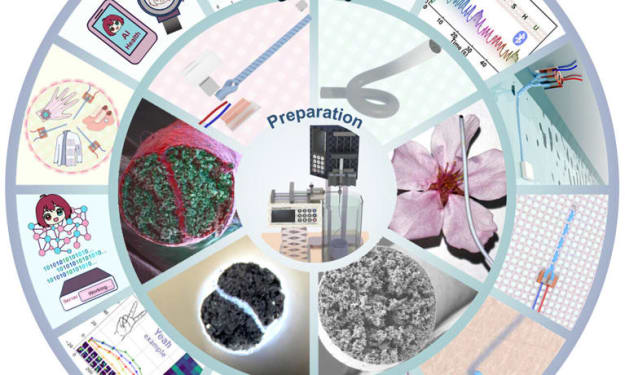
✨ Smart Fiber, Smart Wearables: DNA-Inspired Sensors Revolutionize Next-Gen Comfort & Accuracy
🌐 Introduction: The Dawn of Biologically-Inspired Wearables Imagine a world where your fitness tracker feels like a second skin, your medical monitor bends like a Band-Aid, and your smart clothing adapts to your body’s needs in real time. This isn’t science fiction—it’s the reality being unlocked by DNA-inspired flexible fiber sensors. Merging biology with cutting-edge engineering, researchers are weaving the future of wearables with threads inspired by life’s most fundamental code: DNA.
By Jacky Kapadiaabout a year ago in Longevity
How to Reduce Stress in Just 5 Minutes a Day: Effective Strategies
Introduction In today’s fast-paced world, stress can infiltrate every aspect of your life—from hectic workdays to personal obligations—often leaving you feeling overwhelmed and depleted. The cumulative impact of mounting emails, back-to-back meetings, family responsibilities, and the ever-present buzz of social media can erode both your mental clarity and physical well-being. The good news? You don’t need to carve out hours from your schedule to reset your nervous system and restore your inner calm. By dedicating just five minutes to focused, science-backed techniques, you can quickly calm racing thoughts, sharpen your concentration, and improve your overall mood. In the sections that follow, you’ll discover five simple yet powerful strategies—ranging from the rhythmic 4-7-8 breathing technique to immersive visualization exercises—that you can fit into any part of your busy day.
By Calvine Kleineabout a year ago in Longevity
Why Sleep Is the Cornerstone of Your Mental and Physical Health
Introduction Even the most meticulously planned diet and exercise routine can fall short if you neglect quality sleep. Far from being a passive downtime, sleep is an active, intricate process that impacts every function in your body. From cellular repair and hormonal regulation to memory consolidation and mood stabilization, sleep plays a vital role in your overall well-being. In this article, explore why sleep deserves top priority for both your mental and physical health—and discover actionable strategies to optimize your nightly rest.
By Calvine Kleineabout a year ago in Longevity