science
The science of staying young, healthy, and in-shape.
How the Ovaries Produce Eggs
So much of hormone-focused nutrition, especially in the context of fertility and healthy menstrual cycles, is the emphasis on egg quality. “Eat these 5 foods to boost egg quality”, “take this supplement for optimal egg quality”, and so on, and so on. I think a lot of that content is click-bait (because “egg quality” is a bit of a misnomer, but we can talk about that another time) and we miss the most important part - how do eggs actually come to be?
By Emily the Period RD2 years ago in Longevity
The Impact of Exercise in Lowering Cancer Risk
Cancer has always been the deadliest disease up to date. Around the world, cancer is the biggest cause of mortality, contributing for nearly 10 million fatalities in the year 2020. There are roughly 400 000 new cases of cancer diagnosed in children each year. A significant gap between over-nutrition and low energy activity is a hallmark of modern times, especially in Western or Civilized countries. This imbalance continuously unsettles cellular, tissue, organ, and systemic homeostasis, hastening the start and increasing the risk of many types of cancer. Westerners' resting metabolic rates (the amount of energy our bodies use while at rest) are alarmingly lower than those of our Homo ancestors, and they're dropping fast.
By Naushin Raheema2 years ago in Longevity
The Hardest Part About Recovery
If you've followed my work for any period of time, you'll know that I talk about Burnout frequently. 80% of Employees are Experiencing it, and it is the Single Psychophysiological Reason that Leaders are Completely Failing.
By H.E. Dr. Cody Dakota Wooten, COIE, DFM, DHM2 years ago in Longevity
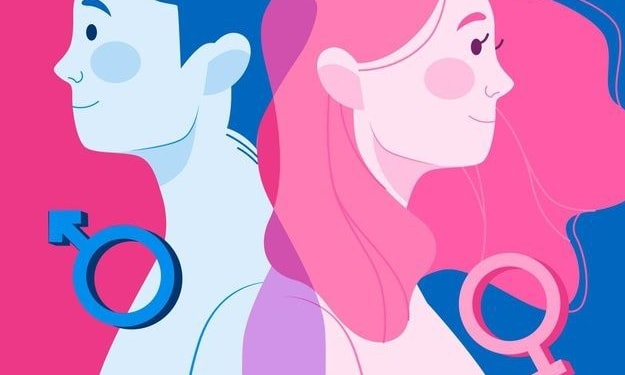
What side effects does puberty have on your brain. . AI-Generated.
Puberty is often associated with dramatic physical changes, but the transformation that takes place in the brain is just as significant. In fact, the process of puberty actually begins in the brain, where a series of complex hormonal signals trigger the onset of adolescence. As the brain undergoes a major "software update," it becomes more efficient and specialized, laying the groundwork for the significant cognitive, social, and emotional developments that will unfold in the years to come. In this article, we'll explore the fascinating changes that occur in the brain during puberty, and what they mean for adolescents navigating this critical phase of life.Puberty, in fact, begins in the brain. The onset of puberty, typically occurring between the ages of 9 and 14, is triggered by the release of specialized hormones from the hypothalamus. Contrary to the notion of a sudden transformation from childhood to adulthood, puberty is a gradual process that can last up to 4 to 5 years. During this period, the brain undergoes significant changes driven by the hormones estrogen and testosterone, produced in the developing testes and ovaries. These hormones reach the brain via the bloodstream and interact with neuronal receptors, altering the functioning of individual cells. This can lead to changes in excitability, growth, and connectivity, ultimately influencing emotions, cognition, and behavior. As a result, the brain's transformation during puberty has a profound impact on an individual's development and maturation. During puberty, hormones play a crucial role in reshaping and maturing the limbic system, a network of brain regions that govern emotional behavior. Studies in animal models have shown that the amygdala, a key component of the limbic system, undergoes significant changes in both size and connectivity during this period. The amygdala is responsible for a range of functions, including detecting potential threats in one's environment and recognizing emotions in social cues, such as facial expressions. As the amygdala develops, it enables individuals to form stronger connections with their peers and prepares the brain for learning and exploration. This transformation is essential for social and emotional growth, laying the groundwork for healthy relationships and cognitive development. When we're teenagers, the emotional and reward centers in our brain develop quickly. But the parts of our brain that help us control our emotions and make good decisions take longer to mature. They keep growing until our 20s. Teenagers can make thoughtful decisions when they have time to think. But in stressful or emotional moments, they might struggle to control their feelings. This slow development helps teenagers learn, grow, and adapt to new situations. It also helps them build skills they'll need as adults. During puberty, the nucleus accumbens, a region integral to the processing of reward and sensation-seeking, undergoes significant organization and restructuring. This dopamine-rich hub is responsible for generating the pleasurable sensations associated with engaging in rewarding activities, such as socializing with peers or exploring new experiences. Research has consistently shown that as hormone levels surge during puberty, the nucleus accumbens responds with increased activity. Consequently, adolescents may experience a heightened sense of pleasure and motivation when engaging in exploratory and social behaviors, which can drive their desire for novelty and social interaction. This intensified response plays a crucial role in shaping their behavioral preferences and priorities during this critical developmental phase. The rapid development of emotion and reward centers in the brain during puberty is accompanied by a more protracted timeline for the maturation of connections with higher cortical regions. These cortical areas, responsible for emotional regulation and impulse control, continue to develop well into the 20s. Contrary to common stereotypes, research suggests that teenagers are capable of making thoughtful decisions when given sufficient time and space. However, high-stress situations or impulsive moments may pose challenges for emotional regulation. The extended development of cortical regions allows adolescent brains to maintain adaptability, enabling them to learn, grow, and form identities in new situations. This process also facilitates the acquisition of essential skill sets for adulthood. The complex interplay between developing brain regions reveals a nuanced understanding of adolescent decision-making and behavior. Despite all we know about how puberty affects the brain, there's still a lot we don't understand. Like, what triggers the initial signal in the brain to start puberty? And why are kids entering puberty earlier and earlier? Hormones play a big role, but they're not the whole story. Your experiences during adolescence can be just as powerful in shaping your brain. So, even though it may feel like puberty is in the driver's seat, you've got more control than you think. The choices you make every day - like learning new skills, being a good friend, and setting boundaries - help shape who you are and who you'll become. You're not just a passenger on this wild ride; you're the driver. Let is know in the comment section below. We love to hear from you. Remember it's your 24hrs to enjoy. Stay blessed. Stay bubbly.
By Ekeke Divine Favour2 years ago in Longevity