science
The science of staying young, healthy, and in-shape.
Flu and COVID-19 Surge in the U.S.. AI-Generated.
Flu and COVID-19 Surge in the U.S.: A Crisis Testing the Resilience of Healthcare Systems In recent months, the United States has witnessed a significant surge in flu and COVID-19 cases, putting immense strain on healthcare systems nationwide. This dual outbreak, marked by increasing hospitalisations and widespread community transmission, has reignited concerns about public health preparedness and resilience. The coexistence of these two respiratory illnesses presents a unique challenge, requiring a nuanced approach to prevention, treatment, and resource allocation.
By Mutonga Kamau2 years ago in Longevity
5 Tips for Your Skin Care Routine & Why Clean Water is Essential
Let’s face it—skin care can sometimes feel like a never-ending quest. From finding the perfect moisturizer to tracking down that elusive cleanser that doesn’t leave your face feeling like a desert, the struggle is real. But amidst all the lotions, potions, and serums we use to pamper our skin, there’s one simple, often overlooked factor that plays a huge role in our skin’s health: clean water.
By Future of Resilience 2 years ago in Longevity
Beyond the Numbers: Understanding the Societal Impact of Gender Disparities in Financial Literacy
Beyond the Numbers: Understanding the Societal Impact of Gender Disparities in Financial Literacy Although women have made great progress in the last few decades toward full equality, more needs to be done. The gender pay disparity in Europe is 12.7%. They are more likely to work in fields where wages are low and to encounter discrimination at work. In general, women have lower financial literacy than men. Many people lack basic knowledge of financial principles, with a significant gender gap in financial literacy. Women face unique financial challenges due to longer life expectancies, lower lifetime income, and career interruptions for child-rearing. This lack of financial knowledge puts women at risk of financial insecurity in retirement. Those with higher financial literacy are more likely to make better financial decisions, such as investing in the stock market and saving for retirement. It is important to understand women's level of financial understanding and address any gaps in financial skills.
By Hridya Sharma2 years ago in Longevity
A 10-Minute Yoga Routine for Busy People: Reconnect, Recharge, and Relax
Let’s face it—life can get pretty busy. Between work, family, errands, and the endless to-do lists, finding time for yourself can feel nearly impossible. Yet, even in the chaos, it's crucial to make space for self-care. One of the simplest and most effective ways to reset and restore your energy is by practicing yoga. But, if you're thinking that yoga requires hours of free time, complicated poses, or a peaceful studio setting, think again.
By Future of Resilience 2 years ago in Longevity
The Science Behind Barefoot Shoes: Why Your Feet Deserve to Feel the Earth Beneath Them
We’ve all heard it before: "Your shoes are killing you!" Whether it’s the uncomfortable pinch of a tight heel, the annoying blisters from poorly designed sneakers, or the feeling that your feet are just… trapped, traditional footwear often doesn’t offer the comfort and freedom they deserve. But what if we told you that ditching those cushioned, arch-supporting monstrosities could actually be good for your health? That’s where barefoot shoes come in.
By Future of Resilience 2 years ago in Longevity
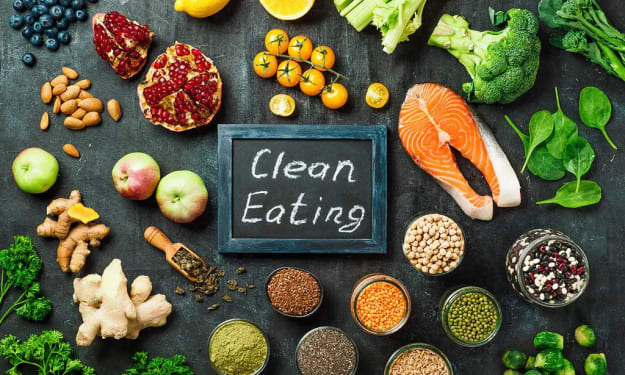
7 Tips on How to Build a Clean Eating Grocery List
Let’s face it—life can get busy. Between work, family, and everything in between, the thought of eating clean, nourishing meals can feel like an impossible task. Grocery shopping alone can be a chore, and the idea of meal planning, cooking from scratch, and sticking to healthy eating goals can sometimes feel overwhelming. But here's the good news: you don’t have to be a meal-prep guru or spend hours at the stove to eat clean. Whether you’re filling your own grocery cart or getting a little help from a meal kit service, building a clean eating routine has never been easier—or more delicious.
By Future of Resilience 2 years ago in Longevity
10 Signs You’re Not Drinking Enough Clean Water (And How to Fix It)
We’ve all heard it—"Drink more water!" It’s one of those classic pieces of health advice that gets repeated so often that it starts to sound like a broken record. But here's the thing: staying hydrated is actually one of the easiest, most effective ways to improve your overall well-being. And yet, many of us still don’t drink enough clean water, or worse, we drink the wrong kinds. So how do you know if you're properly hydrated—or if you’re on the brink of becoming a walking raisin? Read on to find out the telltale signs you might not be drinking enough clean water, along with tips to keep yourself hydrated and feeling great.
By Future of Resilience 2 years ago in Longevity
Stop Grinding. Start Living: Why Mastering Leisure is Your Key to Real Happiness
In a world obsessed with productivity and the constant grind, leisure often takes a backseat. Many of us associate leisure with laziness, but what if it’s the missing piece in our quest for happiness? Leisure isn’t just about having free time — it’s about intentionally designing your life to achieve balance, joy, and fulfillment. This article will guide you through the art of mastering leisure and explain how it can transform your life. The Problem with the Grind Culture Our modern culture glorifies busyness. From 9-to-5 jobs to side hustles, it feels like we’re in a race to accomplish as much as possible in as little time as possible. But this grind comes at a cost: Burnout: Physical and emotional exhaustion due to overwork. Lack of Fulfillment: Achieving goals without feeling truly happy. Neglected Relationships: Sacrificing time with loved ones for work. We’ve been conditioned to equate busyness with productivity, but the truth is, without leisure, our performance, creativity, and happiness suffer. Reimagining Leisure: The Key to Happiness Leisure isn’t just about lounging on a couch; it’s an art. It’s about living with intention, balancing work and play, and recharging your body and mind. When mastered, leisure can unlock clarity, creativity, and deeper connections with yourself and others. Where You Are vs. Where You Can Be Current State: Running on autopilot, overwhelmed, and feeling disconnected. Potential State: Living with intention, achieving a harmonious balance between productivity and rest, and experiencing genuine happiness. The Science and Philosophy of Leisure Ancient Wisdom Meets Modern Insights The importance of leisure isn’t a new concept. Ancient philosophers like Aristotle believed that leisure was the highest form of human activity, necessary for cultivating the mind and soul. Modern research supports this, revealing that structured rest can enhance productivity, boost mental health, and improve overall well-being. Take Finland as an example. Known for its high happiness index, Finland emphasizes shorter workweeks, ample vacation time, and flexible schedules. These practices aren’t indulgences — they’re necessities for a balanced life. The Three Pillars of Leisure To master leisure, it’s crucial to understand its three forms. A balanced approach to these activities can transform your life: 1. Fun & Social (40%) Leisure should include time for joy and connection. Engaging in activities that bring laughter and togetherness can reduce stress and strengthen relationships. Examples: Spending quality time with family and friends. Playing board games or participating in group sports. Taking walks in nature. 2. Self-Improvement (40%) Growth and personal development are vital, but they require balance. Too much self-improvement can lead to burnout, so it’s important to listen to your inner voice. Examples: Reading books or taking online courses. Developing a new hobby or skill. Exercising to maintain physical health. 3. Complete Stillness (20%) This often-overlooked form of leisure involves doing absolutely nothing. It’s in these moments of stillness that your mind resets, allowing you to gain clarity and find inner peace. Examples: Meditating or practicing mindfulness. Sitting in silence and observing your thoughts. Simply breathing and being present in the moment. The 40–40–20 Formula for Mastering Leisure This formula offers a balanced framework for incorporating leisure into your life: 40% Fun & Social: Recharge with enjoyable activities and connections. 40% Self-Improvement: Invest in yourself, but avoid overloading. 20% Stillness: Allow your mind and body to rest and reset. How to Apply the Formula: Start small. Dedicate specific times in your week for each category. Adjust based on your needs. Some weeks may require more stillness, while others demand more social time. The Benefits of Mastering Leisure When you embrace intentional leisure, the results are transformative: Enhanced Creativity: Your mind generates fresh ideas when it’s allowed to wander. Improved Mental Health: Leisure reduces stress and anxiety. Stronger Relationships: Quality time with loved ones strengthens bonds. Increased Productivity: Rest fuels better performance in all areas of life. Steps to Start Living with Intention 1. Reflect on Your Current Habits Take an honest look at how you currently spend your time. Are you prioritizing work over joy and rest? 2. Set Boundaries Create clear boundaries between work and leisure. For example, avoid checking emails during personal time. 3. Schedule Leisure Treat leisure like an appointment. Whether it’s a yoga class, a coffee date, or 15 minutes of meditation, make it non-negotiable. 4. Practice Mindfulness Be present during your leisure activities. Avoid distractions like your phone or social media. 5. Evaluate and Adjust Regularly assess your balance. If one area of leisure feels neglected, make adjustments to restore harmony. Final Thoughts: Leisure is Your Superpower Leisure is not a luxury — it’s a necessity. It’s the key to unlocking a life filled with happiness, creativity, and fulfillment. By mastering the art of intentional leisure, you can break free from the grind, recharge your body and mind, and truly start living. So, stop viewing leisure as “free time.” Instead, see it as your most valuable resource. Embrace the 40–40–20 formula, craft your leisure master plan, and watch your life transform. Spoiler Alert In our next article, we’ll dive into how the top 1% leverage their leisure time for success. Hint: They blur the lines between work and play! Thank you for reading. Your journey to a happier, more intentional life begins now.
By Mohamed Elbana 2 years ago in Longevity
The Secrets of Longevity: Proven Strategies to Live Longer and Healthier in Today’s World
Introduction: The Quest for Longevity The desire to live a long, healthy, and fulfilling life is universal. Throughout history, people have sought the secrets of longevity, whether through ancient wisdom, modern science, or a combination of both. In today’s fast-paced world, where stress, pollution, and sedentary lifestyles dominate, achieving longevity may seem more challenging than ever. However, with the right strategies and mindset, it is possible to live longer and healthier. This article explores well-researched, practical, and science-backed secrets of longevity to help you lead a vibrant and fulfilling life. 1. The Power of Nutrition: Eat for Longevity The Role of a Balanced Diet Nutrition is a cornerstone of longevity. A healthy diet provides essential nutrients that protect against chronic diseases like heart disease, diabetes, and obesity, promoting vitality and extending lifespan. Key Elements of a Longevity Diet Fruits and Vegetables: Rich in antioxidants, fiber, and vitamins, they reduce inflammation and support overall health. Healthy Fats: Omega-3 fatty acids from sources like fish, flaxseeds, and walnuts are vital for heart and brain health. Whole Grains: High in fiber, whole grains such as oats, quinoa, and brown rice support digestion and lower cholesterol. Lean Proteins: Beans, tofu, and lean meats help maintain muscle mass and provide essential amino acids. The Mediterranean Diet: A Proven Path to Longevity The Mediterranean diet, centered on whole foods, olive oil, and lean proteins, is widely recognized for its health benefits. This diet has been linked to longer lifespans in regions known for their centenarians, such as Sardinia, Italy, and Ikaria, Greece. 2. Exercise: The Key to Vitality The Importance of Regular Physical Activity Physical activity is essential for extending life expectancy and improving its quality. It reduces the risk of chronic diseases, helps maintain a healthy weight, and enhances mental health. Types of Exercises for Longevity Cardio: Walking, cycling, and swimming improve cardiovascular health. Strength Training: Building muscle mass prevents age-related muscle loss, enhancing mobility and reducing injury risk. Flexibility and Balance: Yoga and Tai Chi improve posture, balance, and flexibility. The Blue Zones: Movement for Longevity In “Blue Zones,” areas with the highest life expectancies, daily movement is integral to life. People engage in natural, non-strenuous activities like gardening and walking rather than structured gym routines. 3. Mental Wellness: A Longevity Booster Managing Stress for a Longer Life Chronic stress contributes to hypertension, heart disease, and weakened immunity. Managing stress through mindfulness, meditation, and relaxation techniques can add years to your life. Techniques for Managing Stress Mindfulness Meditation: Reduces anxiety and enhances overall well-being. Deep Breathing Exercises: Helps lower cortisol levels and blood pressure. Spending Time in Nature: Improves mental health and reduces stress. Mental Agility and Longevity Keeping your brain active through reading, puzzles, or learning new skills helps prevent cognitive decline, ensuring mental sharpness in later years. 4. The Role of Social Connections in Longevity The Impact of Relationships on Life Expectancy Strong social ties improve mental health, lower disease risk, and boost longevity. Loneliness, on the other hand, is linked to shorter lifespans. Fostering Healthy Relationships Community Involvement: Join clubs, volunteer, or participate in group activities. Quality Family Time: Strengthen bonds with loved ones to create emotional support. Balance Social Media: Prioritize real-life connections over digital interactions. Purpose and Longevity: The Power of Ikigai In Okinawa, Japan, the concept of Ikigai—a reason for being—plays a significant role in longevity. Having a sense of purpose fosters mental and physical well-being, contributing to a fulfilling life. 5. Sleep: The Underrated Pillar of Longevity Why Sleep is Essential for Longevity Sleep is when the body repairs and rejuvenates itself. Poor sleep is linked to obesity, heart disease, and cognitive decline. Tips for Better Sleep Establish a Routine: Maintain consistent sleep and wake times. Limit Screen Time: Avoid blue light exposure at least an hour before bed. Create a Sleep-Friendly Environment: Ensure your bedroom is dark, quiet, and cool. 6. Habits to Avoid for a Longer Life Smoking Tobacco use significantly shortens lifespan. Quitting smoking is one of the most effective ways to improve longevity. Excessive Alcohol Consumption Moderation is key. While some studies suggest a glass of red wine can be beneficial, excessive drinking harms the liver, brain, and heart. Sedentary Lifestyle Prolonged inactivity increases the risk of obesity, diabetes, and heart disease. Regular movement is essential for health and longevity. Conclusion: Longevity is a Journey, Not a Destination Living a longer, healthier life doesn’t require extreme measures or unattainable goals. The secrets of longevity lie in adopting simple, consistent habits: eat a nutrient-rich diet, stay physically active, manage stress, foster meaningful relationships, and prioritize quality sleep. By integrating these practices into your daily routine, you can significantly enhance both the quantity and quality of your life. Remember, the journey to longevity is a marathon, not a sprint—start today, and enjoy the rewards for years to come. FAQs on Longevity Q: What is the most important factor for longevity? A: A combination of a healthy diet, regular exercise, stress management, and strong social connections contribute to a longer life. Q: Does stress really affect lifespan? A: Yes, chronic stress can lead to life-shortening conditions like heart disease and high blood pressure. Q: Is there a specific diet for longevity? A: While diets like the Mediterranean diet are beneficial, the key is eating a balanced, nutrient-rich diet and avoiding processed foods. Q: How much sleep is needed for longevity? A: Aim for 7–9 hours of quality sleep each night to support overall health and well-being. Q: Can relationships impact how long you live? A: Yes, strong social ties improve mental health and provide emotional support, which are linked to longer lifespans.
By Mohamed Elbana 2 years ago in Longevity
Here Are 19 Longevity Secrets from a Man Who Lived Until 99. Spoiler Alert: It’s Simpler Than You Thought.
Longevity: The Timeless Pursuit of a Longer, Healthier Life In a world filled with complex wellness trends and scientific breakthroughs, longevity often feels like an elusive goal. Yet, some individuals have lived extraordinary lives, embodying the simplicity of balanced habits that promote both vitality and resilience. Among them was former Greek Prime Minister Konstantinos Mitsotakis, who reached the remarkable age of 99 while maintaining his health and sharpness. In a revealing 2013 interview with Greek television, Mitsotakis shared his timeless tips for living a long, fulfilling life. What stands out is the simplicity and practicality of his advice—proof that longevity doesn’t require complex solutions but rather mindful living and consistent habits. Let’s dive into his 19 secrets for a long and healthy life. Nutrition: What and How to Eat for Longevity DNA Sets the Basics Your genetics create the foundation for your lifespan, but they are not the sole determinant. While DNA plays a role, your lifestyle choices hold the power to rewrite your story. Your Choices Matter Mitsotakis emphasized that daily habits can overcome genetic predispositions. By making smarter food and lifestyle choices, you can enhance both the quality and duration of your life. Listen to Your Body Ever feel like skipping dinner or craving certain foods? That’s your body’s way of communicating its needs. Pay attention and adjust accordingly. Adopt the Mediterranean Diet Known as one of the healthiest diets in the world, the Mediterranean diet is rich in raw vegetables, legumes, fruits, wild greens, honey, and olive oil. These simple, natural foods nourish the body without excess. Prioritize Quality in Daily Staples The Mitsotakis family valued quality in their everyday diet. For instance, they baked their own whole wheat bread, ensuring the best ingredients in their staple food. Front-Load Your Calories “Eat breakfast like a king, lunch like a prince, and dinner like a pauper.” This philosophy aligns with the body’s natural rhythms, optimizing digestion and energy levels. Stick to a Simple Breakfast For decades, Mitsotakis began his mornings with a consistent routine: a spoonful of Cretan honey, fresh juice from oranges or grapefruits, and a bowl of whole cereal. Beans for Survival and Health During WWII, Mitsotakis survived 11 months on unsalted bean soup provided by Red Cross kitchens. Despite the hardship, he developed a lifelong fondness for beans, which he enjoyed every Monday for the rest of his life. Simplicity is Key Even after the war, his meals remained simple yet nutritious. By focusing on wholesome, natural foods, Mitsotakis maintained his health and vitality. Want to include beans in your diet? Check out our website for easy, longevity-boosting recipes featuring this versatile superfood! Movement: How to Stay Active for Longevity Keep Moving, Always Physical activity isn’t optional; it’s essential. Mitsotakis stressed the importance of staying active, no matter your age. Walk Daily Walking is the most accessible and effective form of exercise. It’s free, low-impact, and suitable for everyone. Mitsotakis turned walking into a lifelong habit, proving its benefits for longevity. Take a Nap Midday naps were a cherished part of Mitsotakis’ routine. A quick 20-30 minute nap can rejuvenate the mind, boost mood, and enhance focus. Rewiring Your Brain for Longevity Moderation in All Things Mitsotakis lived by the principle of balance. Whether it was enjoying food, socializing, or having a glass of wine, he avoided excess and stayed moderate. Quit Smoking Entirely Smoking was non-negotiable for Mitsotakis—he simply didn’t do it. His advice? Don’t let cigarettes control you; quitting is the only way to maintain control over your health. Embrace Preventative Care Preventative healthcare was a cornerstone of Mitsotakis’ philosophy. Regular check-ups and screenings can catch potential issues early, giving you the power to act before they escalate. There’s No Quick Fix Forget miracle cures or magic pills. True longevity comes from consistency—healthy eating, staying active, and making smart lifestyle choices every day. The Intangible Secrets: Mindset and Joy Smile Often A smile isn’t just an expression; it’s a reflection of your inner state. Mitsotakis believed that a positive attitude was just as important for longevity as physical health. Find Joy in Simplicity True happiness isn’t found in grand achievements but in life’s simple pleasures—time with family, a good meal, or a walk in nature. Live with Gratitude and Purpose Mitsotakis embraced life with passion and gratitude. He aimed to face the end with strength and pride, emphasizing the importance of living fully and meaningfully. The Legacy of Konstantinos Mitsotakis Konstantinos Mitsotakis’ life serves as a beacon of hope and inspiration for anyone seeking to live a long and fulfilling life. His approach was grounded in simplicity: quality food, regular movement, a balanced mindset, and unwavering gratitude. His longevity secrets remind us that health and happiness don’t require complex solutions—they are rooted in everyday choices and a mindful, joyful outlook on life. So, are you ready to embrace these simple yet powerful tips? Start small, stay consistent, and watch how your life transforms, one healthy choice at a time.
By Mohamed Elbana 2 years ago in Longevity