organic
Organic and natural recipes, tips, and tricks to live a health and wellness Longevity lifestyle.
Mint Magic: the Amazing Health Benefits of mint.
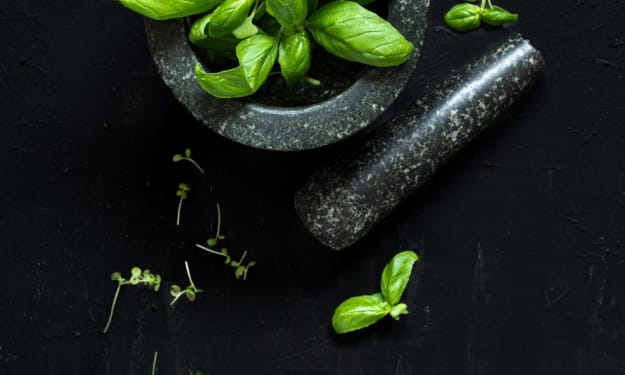
Mint (Pudina): Nature’s Cooling Healer Pudina, commonly known as mint, is more than just a fragrant herb used to add zest to dishes and drinks. For centuries, it has been valued in traditional medicine systems like Ayurveda and Unani for its impressive healing properties. Today, modern research continues to validate many of these benefits. Whether you're sipping mint tea, chewing fresh leaves, or using it as a flavor enhancer, mint offers a wide range of therapeutic effects for your body and mind. 1. A Natural Remedy for Digestion One of the most well-known benefits of mint is its ability to aid digestion. Pudina contains menthol, which helps relax the muscles of the gastrointestinal tract, making it easier for food to pass through the stomach and intestines. It can also relieve symptoms of bloating, gas, and indigestion. Drinking mint tea after meals or chewing on fresh leaves can be a simple, natural way to ease digestive discomfort. 2. Relieves Nausea and Headaches The refreshing aroma of mint is a natural remedy for nausea, especially during pregnancy or after surgery. It helps soothe the stomach and reduce the sensation of vomiting. Additionally, applying diluted mint essential oil to the temples or forehead has been known to relieve tension headaches and migraines by relaxing the muscles and improving blood circulation. 3. Boosts Respiratory Health Mint has natural decongestant properties. Inhaling steam infused with mint leaves or essential oil can help clear nasal passages and ease breathing, making it a helpful remedy for colds, asthma, and allergies. The menthol in mint acts as an expectorant, helping to loosen and break down mucus in the lungs and throat.
By Dr Gabriel 2 years ago in Longevity
Is Your Nose Secretly Sabotaging Your Health? Shocking Truth About the Respiratory Tract & Allergies!
Are you bothered regularly by sneezing, a runny nose, or a persistent cough? You have company. Many people experience allergy-based problems with their breathing, but they often aren’t fully aware of how much their airways are affected. But what if the answer to improved breathing, more energy, and fewer illnesses is learning more about your respiratory system? We’ll take a look at how the respiratory tract functions, how allergies can harm it, and, most importantly, how you can shield yourself and enjoy easier breathing.
By Mohit Rana2 years ago in Longevity
5 Healthy Recipes Under 30 Minutes for Busy Professionals
In the modern-day improved world, locating time to prepare nutritious food may be a venture. However, with a touch of planning and the right recipes, you could experience delicious and wholesome dishes without spending hours in the kitchen. Here are 5 quick and healthful recipes, best for busy professionals.
By Sathish Kumar 2 years ago in Longevity
Cancer: The Scariest Disease in Humans – How to Stay Safe
Cancer is a word that can shake anyone to their core. It’s not just a disease; it’s a life-changing storm that affects millions of people every year, regardless of age, gender, or background. The reason cancer is so frightening is because it can sneak up without obvious warning signs and take a serious toll on both the body and the mind. But while cancer can feel like a terrifying mystery, there are real, practical steps you can take to lower your risk and protect your health. What Is Cancer, Really? In simple terms, cancer is a disease where some of the body’s cells begin to grow uncontrollably and spread to other parts. Normally, our cells grow and divide as needed. But sometimes, this process goes wrong, and the cells don’t stop multiplying. These out-of-control cells can form lumps (tumors) or interfere with the body’s normal functions. There are over 100 types of cancer, including breast, lung, prostate, colon, and skin cancers. Some grow fast, while others develop slowly over time. The tricky part? Many cancers don’t show obvious symptoms until they’re in later stages. Why Is Cancer So Scary? The fear of cancer comes from more than just its impact on health. It’s also about the uncertainty. People often ask: “Will I get it?”, “Can it be cured?”, or “What if it’s too late?” Treatments like chemotherapy and radiation can be physically and emotionally draining. And the thought of battling a disease with no guaranteed cure is enough to cause anxiety for anyone. But it’s not all doom and gloom. While we can’t control everything (like genetics), many cancers are preventable. Science has shown that lifestyle choices play a huge role in lowering the risk. How to Stay Safe: Prevention Is Powerful The good news is, you’re not powerless. Here are key steps you can take to reduce your cancer risk and protect your well-being: 1. Don’t Smoke or Use Tobacco Smoking is the #1 cause of many cancers, especially lung, throat, and mouth cancers. Even secondhand smoke can harm you. If you smoke, quitting is the single most important health decision you can make. 2. Eat a Healthy, Balanced Diet Fill your plate with colorful fruits, vegetables, whole grains, and lean proteins. Cut back on processed meats, sugary drinks, and fried foods. A healthy diet gives your body the nutrients it needs to fight off illness and inflammation. 3. Move Your Body Regular physical activity not only helps control weight (a cancer risk factor) but also boosts your immune system. Aim for at least 30 minutes of moderate exercise most days—walking, biking, dancing—anything that gets you moving. 4. Limit Alcohol Drinking alcohol increases the risk of several cancers. If you drink, do so in moderation—ideally one drink a day for women and two for men, or less. 5. Protect Your Skin from the Sun Skin cancer is one of the most common—and preventable—types. Avoid tanning beds and wear sunscreen with SPF 30 or higher. Seek shade and wear protective clothing when you're outdoors. 6. Get Screened Regularly Early detection can save lives. Cancer screening tests (like mammograms, colonoscopies, and Pap smears) can catch cancer early—when it’s most treatable. Talk to your doctor about what screenings you need and when to start. 7. Get Vaccinated Certain viruses, like HPV and hepatitis B, are linked to cancer. Vaccines can protect you. The HPV vaccine, for example, helps prevent cervical and throat cancers. It’s most effective when given at a younger age, but it's never too late to ask your doctor about it. 8. Manage Stress and Sleep Well Chronic stress and poor sleep can weaken your immune system. While stress doesn’t directly cause cancer, it can lead to habits that do—like overeating, smoking, or drinking. Make time for rest, hobbies, and connection with loved ones. Final Thoughts: Hope Over Fear Yes, cancer is scary. But it’s important to remember that fear doesn't have to paralyze you—it can empower you. Awareness is the first step toward protection. By making healthier choices and staying alert to changes in your body, you can significantly reduce your risk and catch problems early. We may not be able to eliminate cancer from the world tomorrow, but together, step by step, we can make it less powerful—starting with ourselves, our families, and our communities. Take care of your body. Listen to it. Get checked. And most importantly, don’t live in fear—live informed.
By Shah saab IT2 years ago in Longevity
Is Your Gut Sabotaging Your Weight Loss? Shocking Link Between Digestive Problems and Stubborn Fat Revealed!
Even with diet and exercise, you still can’t lose weight? See how digestive problems you may not realize can affect your progress—and find out how to fix them in simple, natural ways.
By Mohit Rana2 years ago in Longevity
Food and Drink: More Than Fuel—A Celebration of Culture, Connection, and Creativity . AI-Generated.
In this blog, we’ll explore the evolving world of food and drink, highlight current trends, and offer practical ways to make your culinary life more enjoyable, healthy, and meaningful.
By MD. Nazmul Haque2 years ago in Longevity
What Really Happens During a 72-Hour Fast — And Why You’ll Want to Try It
No food. Just water. For three full days. It sounds extreme. Radical. Maybe even a little crazy. But millions of people — from Silicon Valley CEOs to cancer researchers to ancient spiritual communities — are discovering something wild:
By Rukka Nova2 years ago in Longevity
Eco-Anxiety: How Climate Change Quietly Wears on Our Mental Health
A few nights ago, I was lying awake at 1:30 a.m., phone in hand, scrolling through footage of a wildfire on the other side of the world. I’m not even close to the area, but still, I couldn’t look away. The flames, the smoke, the people fleeing with pets tucked under their arms—it just hit me. I turned off my phone and stared at the ceiling, feeling this deep, sinking worry in my chest.
By The Healing Hive2 years ago in Longevity