how to
Learn how to cook, create, build, and grow in the Longevity world of health and fitness.
5 Reasons Why Your Website’s Ranking May Have Dropped
A website's ranking is crucial for online visibility. When your site drops in rank, it can feel confusing and frustrating. Many factors can lead to this decline. Understanding these reasons is key to regaining your position. In today’s digital world, a high ranking means more visitors and potential customers. If your website's ranking has fallen, it could be due to several issues.
By Neck Akila2 years ago in Longevity
The Secret To Longevity: How to thrive at every Age
Longevity encompasses not just the extension of years in life but also the enhancement of life within those years. To flourish at any age necessitates a combination of physical vitality, mental acuity, emotional strength, and a passion for living. Although genetics influence our lifespan, our everyday habits, attitudes, and decisions play a crucial role in determining both the quality and duration of our lives. This article delves into the principles of longevity and offers insights on how to thrive at every phase of life.
By Tendayi Ngwerume2 years ago in Longevity
The Role of Health in Upcoming Diseases 2025
Understanding the role of “health in diseases” is crucial in fighting illness. Our health depends on how well we can prevent and manage diseases at both individual and community levels. Public health initiatives focused on promoting health in populations, serve as a powerful defence against the spread of diseases and the improvement of overall health.
By Usman Zafar2 years ago in Longevity
7 Tips on How to Build a Clean Eating Grocery List
Let’s face it—life can get busy. Between work, family, and everything in between, the thought of eating clean, nourishing meals can feel like an impossible task. Grocery shopping alone can be a chore, and the idea of meal planning, cooking from scratch, and sticking to healthy eating goals can sometimes feel overwhelming. But here's the good news: you don’t have to be a meal-prep guru or spend hours at the stove to eat clean. Whether you’re filling your own grocery cart or getting a little help from a meal kit service, building a clean eating routine has never been easier—or more delicious.
By Future of Resilience 2 years ago in Longevity
Best Targeted Workouts for Legs, Arms & Core at Home + How Fitness Apps Can Supercharge Your Routine
Let’s face it: life can get busy. Between work, family, and everything in between, making time for the gym can feel like an impossible task. But here’s the good news: you don’t need a gym membership, fancy equipment, or even a lot of time to get an effective workout. With just your body weight, a bit of space, and some dedication, you can build sculpted legs, toned arms, and a strong core—all from the comfort of your own home.
By Future of Resilience 2 years ago in Longevity
How Three Moms Turned Their Side Hustles Into Full-Time Businesses
As busy and demanding as running a business while juggling family demands gets, it is certainly even more challenging for the mums who start it small before growing into a fully fledged one. Many start as passion or a source of household income but would grow into full businesses as well with perseverance, smart strategy, and lessons learned.
By Usman Zafar2 years ago in Longevity
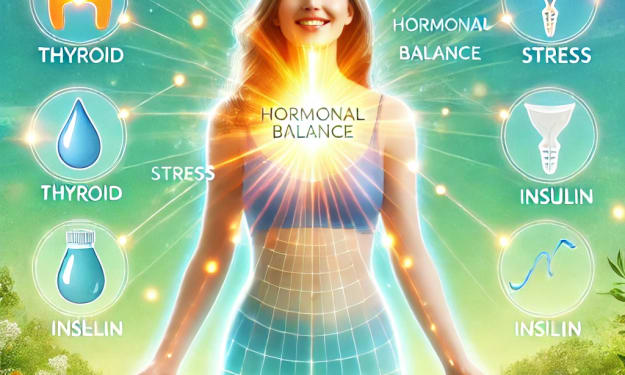
Unlocking Weight Loss: How HB5 Targets Hormonal Imbalances for Effective Results
Disclaimer: This article was generated with the assistance of AI and contains affiliate links. If you click on these links and make a purchase, we may earn a small commission at no additional cost to you.
By Charles Funk2 years ago in Longevity
Unveiling the Secrets of Longevity: The Science and Soul of Aging
Longevity has fascinated humanity for centuries, igniting both myth and science in the quest to extend the human lifespan. From ancient tales of the Fountain of Youth to cutting-edge advancements in biotechnology, the desire to live longer, healthier lives continues to drive innovation and introspection. One remarkable figure in the narrative of longevity is Jeanne Louise Calment, who lived to an astonishing age of 122 years and 164 days. Born in 1875 in Arles, France, Calment's life journey not only set a record but also opened discussions on what contributes to such exceptional longevity. Her story invites us to explore the delicate interplay of genetics, lifestyle, and the human spirit in the pursuit of a long and meaningful life. The Genetic Blueprint of Aging At the heart of longevity lies genetics, the fundamental blueprint that determines much of our biological destiny. Genes play a significant role in regulating the aging process, influencing everything from cellular repair mechanisms to the likelihood of developing age-related diseases. While some individuals, like Calment, may inherit genetic advantages that predispose them to a longer life, genes are only part of the equation. Research into the human genome has unveiled specific genes linked to longevity, such as those involved in repairing DNA, reducing oxidative stress, and maintaining cellular health. For example, variations in the FOXO3 gene have been associated with a higher probability of living past 100. However, even with favorable genetics, the environment and lifestyle significantly shape how these genes are expressed—a concept known as epigenetics. Lifestyle Choices: The Power of Daily Habits Longevity is not merely determined by genetic luck. Lifestyle choices play a pivotal role in enhancing both the quality and quantity of years. Key habits have been consistently linked to longer, healthier lives: Nutrition: A balanced diet rich in fruits, vegetables, whole grains, lean proteins, and healthy fats provides the body with essential nutrients. Diets like the Mediterranean diet, which emphasize plant-based foods and healthy oils, have been shown to reduce the risk of chronic diseases and promote longevity. Physical Activity: Regular exercise strengthens the cardiovascular system, improves mental health, and enhances overall vitality. From brisk walks to yoga and resistance training, maintaining an active lifestyle can significantly slow the aging process. Avoiding Harmful Habits: Steering clear of smoking, excessive alcohol consumption, and other harmful behaviors is crucial. These habits accelerate aging, increase the risk of disease, and shorten life expectancy. Social Connections: Strong relationships and a sense of community contribute to emotional well-being and reduce stress. Studies have shown that people with robust social networks tend to live longer and healthier lives. Mental Health and Purpose: Cultivating a positive outlook, managing stress, and pursuing a sense of purpose are often overlooked yet vital factors in longevity. A fulfilling life, marked by passion and resilience, can make the journey of aging more rewarding. The Role of Modern Science The field of longevity science has advanced rapidly in recent years, offering new insights and interventions. Researchers are exploring innovative approaches to slow aging and extend life, such as: Calorie Restriction and Fasting: Studies suggest that reducing calorie intake or following intermittent fasting regimens can improve metabolic health and extend lifespan in various organisms. Regenerative Medicine: Stem cell therapy and tissue engineering aim to repair and replace damaged cells and organs, offering hope for reversing some aspects of aging. Anti-Aging Therapies: Experimental drugs, such as senolytics, target and eliminate senescent (aging) cells, which contribute to inflammation and tissue damage. Genetic Engineering: Advances in CRISPR technology have opened possibilities for editing genes linked to aging, potentially rewriting the rules of longevity. Despite these promising developments, ethical considerations and the accessibility of these technologies remain critical challenges. The Soul of Longevity While science delves into the mechanisms of aging, the soul of longevity lies in the richness of human experience. Jeanne Calment's story reminds us that a long life is not only about years but also about how those years are lived. Her vibrant personality, active lifestyle, and zest for life were as remarkable as her age. Longevity is enriched by joy, curiosity, and the connections we foster. It is found in the laughter shared with loved ones, the pursuit of passions, and the resilience to face life's challenges. As much as science seeks to add years to life, it is the human spirit that adds life to years. The Collective Pursuit In the grand tapestry of human existence, each of us contributes a unique thread. The pursuit of longevity is not solely an individual endeavor; it reflects a collective aspiration to unlock the potential of human life. By embracing both scientific advancements and timeless wisdom, we can create a future where longevity is accompanied by vitality, purpose, and happiness. As we navigate our own journeys, let us draw inspiration from pioneers like Calment and the breakthroughs of modern science. The quest for longevity is not just about extending time but about enriching the essence of life itself—making every moment count in the magnificent story of humanity.
By Mohamed Elbana 2 years ago in Longevity
Hydrogenia: Unlocking the Secret to Eternal Youth and Combating Oxidative Stress
Aging is a natural process that every human experiences. Yet, for centuries, humanity has sought the elusive key to extending youth and vitality. One of the most promising discoveries in this quest is the role of oxidative stress and the groundbreaking potential of a substance known as Hydrogenia. Hydrogenia, a revolutionary element, has emerged as a beacon of hope in the battle against oxidative stress—a major driver of aging and chronic diseases. In this article, we’ll explore how Hydrogenia works, its significance in promoting longevity, and its transformative potential for redefining how we age. The Role of Oxidative Stress in Aging To understand Hydrogenia’s importance, we must first examine oxidative stress. At the heart of this phenomenon lies oxygen—a paradoxical element. While oxygen sustains life, it can also lead to the formation of harmful molecules called free radicals. 1. What Are Free Radicals? Free radicals are unstable molecules that seek to stabilize themselves by stealing electrons from other molecules in the body. This theft sets off a chain reaction of cellular damage, which contributes to aging and numerous health issues. 2. The Imbalance Between Oxidants and Antioxidants Our bodies naturally produce antioxidants to neutralize free radicals. However, when the balance tips in favor of oxidants due to factors like poor diet, pollution, or stress, oxidative stress occurs. This imbalance accelerates cellular damage and increases the risk of diseases such as: Alzheimer’s disease Parkinson’s disease Diabetes Rheumatoid arthritis Cardiovascular disorders Hydrogenia: A New Frontier in Antioxidant Science 1. The Limitations of Traditional Antioxidants For decades, traditional antioxidants like vitamins C and E, beta-carotene, and vitamin A have been celebrated for their ability to combat oxidative stress. While beneficial, scientific studies have shown that these antioxidants often fall short in significantly extending lifespan or reversing the effects of aging. 2. What Is Hydrogenia? Hydrogenia is a revolutionary antioxidant that stands out due to its unique properties. Derived from molecular hydrogen, Hydrogenia is the smallest and most bioavailable antioxidant known to science. This allows it to penetrate cell membranes and reach areas where traditional antioxidants cannot. 3. How Hydrogenia Works Hydrogenia neutralizes free radicals by selectively targeting the most harmful ones, such as hydroxyl radicals. Unlike traditional antioxidants, which may inadvertently neutralize beneficial reactive oxygen species (ROS), Hydrogenia works with precision, preserving the body’s natural balance. The Benefits of Hydrogenia in Longevity and Health Hydrogenia’s impact goes beyond combating oxidative stress. Here are some of its transformative benefits: 1. Cellular Protection and Repair Hydrogenia enhances the body’s ability to repair damaged cells, reducing the effects of aging at a molecular level. This cellular protection translates into healthier tissues, organs, and overall vitality. 2. Reducing Inflammation Chronic inflammation is a key contributor to aging and age-related diseases. Hydrogenia has potent anti-inflammatory properties, helping to mitigate conditions like arthritis and cardiovascular disorders. 3. Boosting Energy and Metabolism By reducing oxidative stress, Hydrogenia improves mitochondrial function—the powerhouse of our cells. This leads to increased energy levels and a more efficient metabolism. 4. Supporting Cognitive Health Hydrogenia shows promise in protecting the brain from neurodegenerative diseases like Alzheimer’s and Parkinson’s. By reducing oxidative stress in neural tissues, it preserves cognitive function and memory. 5. Enhancing Skin Health Oxidative stress contributes to wrinkles, loss of elasticity, and other signs of aging skin. Hydrogenia promotes collagen production and protects skin cells, resulting in a more youthful and radiant appearance. Incorporating Hydrogenia into Your Life Integrating Hydrogenia into your routine doesn’t require drastic changes. Here’s how you can start reaping its benefits: 1. Hydrogen-Rich Water One of the most accessible forms of Hydrogenia is through hydrogen-rich water. Consuming this water daily can help neutralize free radicals and support overall health. 2. Dietary Supplements Hydrogenia supplements are available in various forms, including capsules and tablets. These provide a concentrated dose of molecular hydrogen, making it easy to incorporate into your wellness regimen. 3. Lifestyle Changes While Hydrogenia is powerful, it works best when combined with a healthy lifestyle. This includes: Eating a diet rich in fruits, vegetables, and whole grains Exercising regularly to boost antioxidant production Managing stress through mindfulness or meditation Scientific Studies and Evidence Hydrogenia’s efficacy is supported by an increasing body of research. Here are some key findings: Reduction of Oxidative Stress Studies have shown that molecular hydrogen effectively reduces oxidative stress markers in patients with chronic diseases. Neuroprotective Effects Research indicates that Hydrogenia improves cognitive function and protects against neurodegenerative diseases in animal models. Anti-Inflammatory Properties Clinical trials demonstrate that Hydrogenia significantly reduces inflammation, supporting its role in preventing chronic illnesses. The Future of Anti-Aging Science Hydrogenia represents a paradigm shift in our understanding of aging and health. Unlike traditional approaches that focus on treating symptoms, Hydrogenia targets one of the root causes of aging—oxidative stress. As research continues, Hydrogenia may become a cornerstone in the fight against age-related diseases, offering a path to healthier, more vibrant aging. Final Thoughts Aging doesn’t have to mean a decline in health or vitality. With advancements like Hydrogenia, we have the tools to combat oxidative stress, preserve our youth, and redefine what it means to grow older. By incorporating Hydrogenia into your daily routine, you’re not just extending your lifespan—you’re enhancing your quality of life. The secret to eternal youth may not be so far-fetched after all.
By Mohamed Elbana 2 years ago in Longevity
How Flexibility and Mobility Can Redefine Aging in Your 40s and 50s
Aging is an inevitable part of life, but how we age is largely within our control. While many prioritize strength training or cardio exercises, there’s a critical aspect of fitness that often gets overlooked: flexibility and mobility. These two factors are the unsung heroes of maintaining youthful movement, reducing injuries, and enhancing overall quality of life. If you're in your 40s or 50s and haven’t yet incorporated flexibility and mobility exercises into your routine, now is the time to start. Let’s explore why these practices are vital and how they can transform the way you age. The Consequences of Neglecting Flexibility and Mobility 1. Natural Changes in the Body with Age As we grow older, our muscles and tendons naturally lose elasticity. Without regular stretching or mobility work, they begin to shorten and tighten. This process can lead to: Stiffness in joints: Making everyday activities like bending or reaching more difficult. Decreased range of motion: Limiting your ability to move freely. Higher risk of injuries: Tight muscles are more prone to strains and tears. 2. The Impact on Balance and Stability Flexibility and mobility play a significant role in maintaining balance. Neglecting these areas can lead to a decline in coordination and stability, increasing the likelihood of falls—a common concern in older adults. 3. Chronic Pain and Discomfort Stiff muscles and joints can contribute to chronic pain conditions such as lower back pain, neck stiffness, and even arthritis. Without intervention, these issues can worsen over time, impacting your overall quality of life. The Benefits of Flexibility and Mobility Training On the flip side, incorporating flexibility and mobility exercises into your daily routine can yield remarkable benefits. Let’s break down how they can enhance your life: 1. Improved Physical Performance Flexibility and mobility exercises aren’t just for yoga enthusiasts. They directly improve physical performance by: Enhancing your posture Allowing for better movement patterns during workouts Reducing muscle imbalances that can hinder strength gains 2. Injury Prevention When muscles are supple and joints move freely, the risk of injury significantly decreases. Whether you’re lifting weights, running, or simply playing with your grandchildren, a flexible body is a resilient body. 3. Increased Longevity of Movement Think of your muscles and connective tissues as rubber bands. A rubber band that is stretched regularly remains elastic and functional, while one that’s left unused becomes brittle and prone to breaking. Regular flexibility and mobility training ensures that your body remains supple and capable of movement well into your later years. 4. Enhanced Mental Well-being Flexibility exercises such as yoga or Pilates are not just physical practices; they also promote mental relaxation. These practices can reduce stress, improve focus, and boost overall mental health—key factors for thriving in your 40s and 50s. How to Get Started with Flexibility and Mobility Training The best part? Incorporating flexibility and mobility exercises doesn’t require hours of commitment. Just 15-30 minutes a day can make a significant difference. Here’s how to get started: 1. Warm-Up Before Stretching Begin with a 5-10 minute warm-up to increase blood flow and prepare your muscles for stretching. Light cardio or dynamic movements like leg swings and arm circles work well. 2. Incorporate Dynamic Stretching Dynamic stretches involve controlled movements that take you through your full range of motion. Examples include: Hip circles Lunges with a twist Arm swings These movements improve flexibility and mobility while also preparing your body for more intense activities. 3. Static Stretching for Deeper Flexibility After your workout or at the end of the day, spend time on static stretches. Hold each stretch for 20-30 seconds, focusing on key areas such as: Hamstrings Calves Hip flexors Shoulders 4. Practice Yoga or Pilates Both yoga and Pilates are excellent for improving flexibility and mobility. They also strengthen stabilizing muscles and promote mindfulness, adding mental health benefits to your routine. 5. Use Tools to Enhance Mobility Foam rollers, resistance bands, and massage balls can help release tight muscles and improve range of motion. Incorporate these tools into your routine to maximize results. A Sample 15-Minute Flexibility Routine Dynamic Warm-Up (5 minutes) High knees (1 minute) Leg swings (1 minute per leg) Arm circles (1 minute forward, 1 minute backward) Stretching Routine (10 minutes) Forward fold for hamstrings (2 minutes) Butterfly stretch for hips (2 minutes) Cat-cow stretch for spine (2 minutes) Shoulder stretches (2 minutes) Seated twist for back and obliques (2 minutes) Consistency is key. By committing to a routine like this, you’ll notice improvements in flexibility, mobility, and overall well-being in just a few weeks. Flexibility and Mobility in Everyday Life Flexibility and mobility training isn’t just for the gym—it’s about improving how you move and feel in your daily life. Whether you’re gardening, playing with your kids, or simply walking up the stairs, these exercises make every activity easier and more enjoyable. The more you prioritize flexibility and mobility now, the fewer limitations you’ll face as you age. It’s an investment in yourself that pays off in the long run. Final Thoughts Aging gracefully doesn’t mean giving up on the activities you love. By focusing on flexibility and mobility, you can redefine what it means to age in your 40s and 50s. These exercises are simple, time-efficient, and immensely rewarding. So, why wait? Start today and experience the transformative benefits of a more flexible and mobile body. Your future self will thank you.
By Mohamed Elbana 2 years ago in Longevity