fact or fiction
Is it a fact or is it merely fiction? Fact or Fiction explores the lesser known truths in the health and wellness world of Longevity.
Consequences
Introduction: Positivity is often celebrated as a desirable trait, one that promotes happiness, resilience, and optimism. While maintaining a positive outlook can indeed have numerous benefits, there is a darker side that deserves attention: toxic positivity. Toxic positivity refers to the excessive focus on positive thinking and the denial, invalidation, or suppression of negative emotions. In the pursuit of constant positivity, individuals may unintentionally dismiss or trivialize the genuine struggles and emotional experiences of others. In this article, we will explore the negative impact of toxic positivity on mental health and relationships, shedding light on the importance of embracing authenticity, empathy, and emotional well-being.
By sjinfo 20233 years ago in Longevity
Mental Health Pitfalls
Introduction In our fast-paced and interconnected world, it's easy to fall into the trap of emotional reactivity. With the constant stream of information, social media platforms, and daily stressors, it's no wonder that many of us find ourselves reacting impulsively to situations without considering the long-term consequences. However, this habitual pattern of emotional reactivity can have severe implications for our mental health. In this article, we will explore the pitfalls of emotional reactivity and how it can lead to mental health challenges. By understanding the underlying mechanisms and learning effective strategies to manage our emotions, we can cultivate emotional resilience and lead healthier, more fulfilling lives.
By sjinfo 20233 years ago in Longevity
The Importance of Mental Health📈
In today’s fast-paced and demanding world, mental health has emerged as a critical aspect of overall well-being. It is no longer sufficient to focus solely on physical health; mental well-being is equally important for leading a balanced and fulfilling life. This article delves into the significance of mental health and provides strategies to promote a healthy mind and achieve a balanced life.
By Health Advisor3 years ago in Longevity
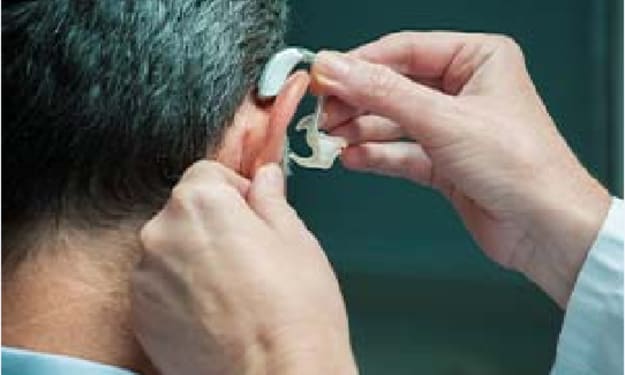
This 102-year-old Scientist just uncovered the shocking Truth about hearing aids.
When you hear ringing or other disturbances in one or both of your ears, it's called tinnitus. Other people typically cannot hear the sounds you hear when you have tinnitus since it is not caused by an outside sound. Tinnitus is a frequent issue. About 15% to 20% of people experience it, with elderly folks experiencing it the most frequently.
By Neo Mogwera3 years ago in Longevity
10 EVERYDAY HABITS THAT CAN HELP YOU TO LOSE WEIGHT
A poor habit, also known as a bad habit, is a pattern of behavior that has negative or harmful consequences. Bad habits are difficult to break because they are ingrained and can have far-reaching effects on a person's health, happiness, productivity, relationships, and development.
By Abby blasius3 years ago in Longevity
The Risks and Benefits of Prescription Medications
The use of prescription medications has become increasingly common in our society as people seek to manage various health conditions. While these medications can offer significant benefits, they also come with potential risks. It's essential to understand both the benefits and risks of prescription medications so that you can make informed decisions about your health.
By sjinfo 20233 years ago in Longevity
The Dark Side of Technology
Technology has revolutionized the way we communicate, work, and entertain ourselves. It has made our lives easier and more convenient, but it also has a dark side. Our devices are hurting our mental health in ways we may not even realize. In this blog post, we will explore the negative effects of technology on our mental health and what we can do to mitigate them.
By sjinfo 20233 years ago in Longevity
Longevity: The Intersection of Health, Wellness, Spirituality, and Lifelong Learning
Longevity: Exploring the Intersection of Health, Wellness, and Spirituality Introduction Longevity is not a new concept. For ages, people have sought ways to live longer. However, as we enter the 21st century, longevity has become a more pressing issue. As the world population ages, we must find ways to ensure that those additional years are healthy, productive, and fulfilling. In this article, we explore the intersection of health, wellness, and spirituality in the pursuit of longevity. Section 1: Health Health is a fundamental aspect of longevity. Without good health, we cannot enjoy all that life has to offer. However, good health is not just about the absence of disease; it is a state of complete physical, mental, and social well-being (World Health Organization, 2021). 1.1 Nutrition Nutrition is a critical component of good health. The food we eat provides the building blocks for our bodies, and therefore, our well-being. However, with the rise of fast food and processed foods, our diets have become increasingly unhealthy. As a result, chronic diseases such as diabetes, heart disease, and cancer have become more prevalent. To ensure good health and longevity, we must pay attention to what we eat. A healthy diet is one that is rich in fruits, vegetables, whole grains, lean proteins, and healthy fats. Such a diet provides the necessary nutrients to keep our bodies functioning optimally. We should also avoid processed foods, sugary drinks, and excess salt and sugar. 1.2 Exercise Exercise is another critical component of good health. Regular physical activity can help us maintain a healthy weight, reduce the risk of chronic diseases, and improve our mental health. We should aim for at least 30 minutes of moderate-intensity exercise per day. Exercise does not have to be strenuous or time-consuming. Walking, jogging, cycling, and swimming are all excellent forms of exercise that can be easily incorporated into our daily routines. 1.3 Sleep Sleep is essential for good health. During sleep, our bodies repair and regenerate, and our minds process the events of the day. However, many of us do not get enough sleep. Lack of sleep can lead to a range of health problems, including diabetes, obesity, and heart disease. To ensure good health and longevity, we should aim for 7-8 hours of sleep per night. We should also establish a regular sleep routine, avoid caffeine and alcohol before bed, and create a comfortable sleep environment. 1.4 Stress Management Stress is a normal part of life, but excessive stress can have a negative impact on our health. Chronic stress can lead to mental health problems such as anxiety and depression, as well as physical health problems such as heart disease and stroke. To manage stress, we should identify the sources of stress in our lives and find ways to reduce or eliminate them. We can also develop healthy coping mechanisms such as meditation, deep breathing, and yoga. Section 2: Wellness Wellness is about taking a holistic approach to health. It is about addressing the physical, mental, and spiritual aspects of well-being to achieve a state of optimal health. 2.1 Mental Health Mental health is a critical component of overall wellness. Mental health problems such as anxiety and depression can have a significant impact on our daily lives. They can affect our relationships, work, and overall quality of life. To maintain good mental health, we should prioritize self-care. This may include activities such as practicing mindfulness, journaling, or seeking professional support if necessary. 2.2 Social Connections We are social creatures, and social connections are essential for good health and well-being. We should aim to cultivate healthy social connections with friends, family, and our community. To do this, we may need to step outside of our comfort zone and seek out new opportunities for social connection. This may include joining a club or community group, attending social events, or volunteering. 2.3 Personal Growth Personal growth is an important aspect of wellness. It is about engaging in activities and pursuits that bring us a sense of fulfillment and purpose. This may include hobbies, volunteering, or learning new skills. To promote personal growth, we should take time to reflect on our values and interests and explore new opportunities for growth and development. Section 3: Spirituality Spirituality is often overlooked in discussions of longevity, but it is an essential component of well-being. Spirituality is about connecting to something greater than ourselves and finding meaning and purpose in life. 3.1 Mind-Body Connection The mind-body connection is an integral aspect of spirituality. It is about recognizing the connection between our thoughts, feelings, and physical health. Practices such as meditation, yoga, and tai chi can help us cultivate this connection. 3.2 Gratitude Gratitude is a powerful spiritual practice that can have a significant impact on our well-being. It is about recognizing and appreciating the good things in our lives. To cultivate gratitude, we should make a habit of regularly reflecting on the things we are thankful for. This may include keeping a gratitude journal, expressing gratitude to others, or simply taking a moment to appreciate the present moment. 3.3 Purpose and Meaning Spirituality is also about finding purpose and meaning in life. It is about asking the big questions about our existence and our place in the world. To find purpose and meaning, we should reflect on our values and interests and explore ways to align our lives with them. This may involve finding a fulfilling career, volunteering, or pursuing a hobby that brings us joy. Conclusion In conclusion, longevity is about more than just living longer. It is about living a healthy, fulfilling, and purposeful life. To achieve this, we must take a holistic approach to our health, wellness, and spirituality. By prioritizing these aspects of our lives, we can maximize our chances of living a long and fulfilling life. We have covered the fundamentals of longevity, which includes taking care of our physical, mental and spiritual health. To achieve longevity, it is important to look at the bigger picture and the factors and behaviors that impact our lives. 4.1 Genetics Genetics plays a significant role in determining our lifespan and the quality of our lives. It is important to consider our family history to understand potential health risks and take precautions to lead a healthy life. However, genetics is not the only determining factor in our health, and we can make lifestyle changes to improve our well-being and longevity. 4.2 Habits and Addiction Habits and addictions, such as smoking, alcohol consumption and drug use, can significantly impact our health and longevity. It is important to be mindful of our behaviors and take steps to reduce or eliminate harmful habits. Breaking ingrained habits can be a challenging task. However, with determination and accountability, we can make significant progress. Engaging in therapy, joining support groups, or seeking professional help can provide the necessary tools to break habits and addictions. 4.3 Relationships and Support Next, we must focus on our relationships and support systems. Social connections provide a sense of belonging and fulfillment, which can have a positive impact on our mental and physical health. Good social support helps us manage stress and cope with life's obstacles. To maintain healthy relationships, it is essential to communicate effectively, show appreciation, and prioritize time together. Additionally, we should surround ourselves with people who encourage us to grow and develop. 4.4 Purpose and Goals Everyone requires a sense of purpose and direction in life. Without it, we may find ourselves aimlessly pursuing to find fulfillment. Defining our purpose and setting attainable goals can significantly contribute to our mental health and longevity. A sense of purpose often culminates from finding a passion or hobby. Pursuing a hobby or passion leads to mental stimulation, providing a sense of accomplishment and purpose. 4.5 Financial Stability Our financial stability and the stress associated with managing finances is a component many may overlook. Financial stability often provides a sense of security, and unnecessary stress results when it is absent. Financial planning can set the foundation to lead a happy and healthy life. The pathway to financial stability is often through budgeting and managing expenses. Saving money and investments contribute to a financially secure future, discouraging undue stress. 4.6 Mindfulness and Meditation Mindfulness and meditation intertwine the mental and spiritual aspects of longevity. Adding mindfulness and meditation to our routines helps us easily recognize and regulate our character by giving us the necessary tools to respond to different situations in life. There are different forms of meditation, such as Transcendental Meditation, Mindfulness Meditation, and Loving-Kindness Meditation, each with its unique benefits. A consistent routine of practicing meditation provides a calm and clear mind, reducing stress levels. 4.7 Volunteer Volunteering is an aspect of finding purpose and giving our lives a sense of direction. Additionally, volunteering has a positive impact on mental and physical health. Volunteering leads to positive outcomes, such as lower depression rates, an increase in self-esteem, and the reduction of stress levels. Finding opportunities to volunteer is simple, as there are numerous organizations looking for dedicated volunteers. Volunteering for a cause that hits close to home resonates deeply, providing a sense of fulfillment and purpose. 4.8 Life-Long Learning Learning continues throughout life and forms a critical aspect of longevity. Continuous learning is beneficial and helps to explore new interests and develop new ideas. The need for knowledge can be satisfied via different platforms such as attending workshops, reading new material, or attending classes. Conclusion Longevity centers around taking a holistic approach to our physical, mental and spiritual well-being. Taking small steps to manage habits and addictions and break harmful behaviors, prioritizing social connections, defining our purpose and goals in life, practicing financial planning and budgeting, practicing mindfulness and meditation, volunteering, and life-long learning are all steps towards achieving longevity. In summary, we should aim to create a life that holistically conforms to the components of longevity: physical, mental, social, spiritual, and intellectual. Taking small steps to engage with and meet these components gives us a higher chance of increasing our life span, and living a fulfilled and purposeful life.
By MUHAMMAD ANAS QURESHI3 years ago in Longevity
7 symptoms of anxiety and how to cope with them at home
Anxiety is a normal and frequently adaptive human emotion characterized by apprehension, worry, and dread. It is a mechanism that prepares the body to respond to perceived hazards and is a natural response to stress or potential threats. However, excessive, persistent anxiety that interferes with daily functioning may be indicative of an anxiety disorder.
By Abby blasius3 years ago in Longevity
Food for Thought: Boosting Your Orgasms with These 7 Foods
Sexual health and pleasure are important aspects of a person's overall well-being. While there are many factors that contribute to a satisfying sex life, including communication, emotional intimacy, and physical attraction, diet also plays a significant role. Certain foods can help strengthen your orgasm and enhance your overall sexual experience. In this article, we will explore six foods that you can incorporate into your diet to boost your sexual health and pleasure.
By Shakira Scantlebury3 years ago in Longevity
The Most Important Century in Human History: Lessons Learned and the Path Forward
Throughout history, there have been several significant moments and centuries that have shaped the world as we know it. However, when it comes to the most important century in human history, I believe the 20th century undoubtedly stands out.
By Shakira Scantlebury3 years ago in Longevity
The Sunshine Vitamin: Why You Need Vitamin D for Optimal Health
Vitamin D is an essential nutrient that plays a critical role in maintaining overall health and well-being. It is important for bone health, immune function, and a variety of other bodily processes. This vitamin is unique in that it is produced in the body when the skin is exposed to sunlight, as well as being obtained through dietary sources. It is particularly important for children to get enough vitamin D as it is essential for their growing bones and teeth.
By Shakira Scantlebury3 years ago in Longevity