fact or fiction
Is it a fact or is it merely fiction? Fact or Fiction explores the lesser known truths in the health and wellness world of Longevity.
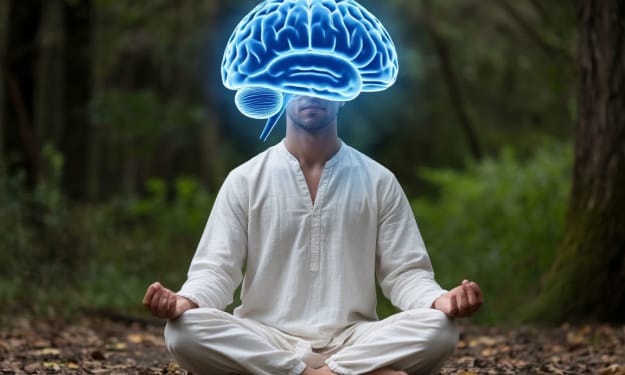
The Science of Stillness: What Happens in Your Brain During Meditation
Stillness doesn’t just feel good—it changes your brain in profound ways. When you meditate, you’re not merely sitting quietly; you’re engaging complex neurological processes that scientists are only beginning to understand.
By Victoria Marseabout a year ago in Longevity
Meditation vs. Doomscrolling: What Neuroscience Says
It starts innocently. You pick up your phone to check one notification. Then you’re scrolling — news, memes, tragedies, hot takes, more news. Your thumb moves, but your breath shortens. Somewhere in the pit of your stomach, you feel it: unease, tightness, maybe even dread. You’re not just reading headlines—you’re doomscrolling.
By Marina Gomezabout a year ago in Longevity
The Truth About Sugar
Start writing...The Sweet Beginning Tina loved sweet things. Chocolate after dinner, soda with lunch, and cookies before bed—it all felt like comfort. But one day, during a routine check-up, her doctor told her something that shook her world: “Your blood sugar is high. It’s time to cut back.” Tina was shocked. She never thought sugar could harm her so much. That day, she began learning what sugar really does to the body—and it changed her life. What Is Sugar, Really? Sugar is a type of carbohydrate that gives your body energy. It’s found naturally in fruits, vegetables, and dairy—but it’s also added to many foods to make them taste better. There are two main types of sugar: Natural sugar – found in whole foods like fruits and milk Added sugar – found in processed foods like candy, soda, cakes, sauces, and even bread Natural sugar comes with fiber, vitamins, and minerals. Added sugar comes with… well, just sugar. Why Do We Love Sugar So Much? Sugar makes food taste better. It gives your brain a quick reward, which can make you feel happy and even “hooked.” In fact, studies show sugar lights up the same parts of your brain as addictive substances. That’s why we often crave sugary snacks when we’re stressed, tired, or sad. But too much sugar can be harmful—even if it feels good in the moment. The Hidden Dangers of Too Much Sugar Too much sugar doesn't just lead to weight gain. It can also cause serious health problems, such as: Type 2 Diabetes – When your body can’t handle all the sugar in your blood Heart Disease – Excess sugar can raise your blood pressure and bad cholesterol Liver Disease – Especially from sugary drinks like soda and energy drinks Tooth Decay – Sugar feeds harmful bacteria in your mouth Skin Problems – It can lead to acne, aging, and dullness Over time, sugar causes inflammation in the body. That means your body is always fighting, which can make you feel tired, foggy, and unwell. Where Sugar Is Hiding You might think you're not eating much sugar—but many foods hide it in plain sight. Some surprising foods that often contain added sugar: Granola bars Yogurt (especially flavored kinds) Ketchup and salad dressings Bread and pasta sauce “Healthy” cereals Fruit juices and sports drinks Always check the nutrition label. Look for words like: sucrose, glucose, fructose, corn syrup, maltose, dextrose—these are all types of added sugar. How Much Sugar Is Too Much? The American Heart Association recommends: Women: no more than 25 grams (6 teaspoons) of added sugar per day Men: no more than 36 grams (9 teaspoons) per day Just one can of soda can have 40 grams of sugar or more—that’s over the daily limit in one drink. Tips to Cut Back on Sugar You don’t need to quit sugar completely, but cutting back can make a big difference. Here’s how: 1. Read labels – Get familiar with how much sugar is in your food 2. Drink water – Skip soda and juice 3. Choose whole fruits – Instead of fruit juice or candy 4. Cook at home – You can control what goes into your food 5. Go slow – Cut back little by little to avoid cravings 6. Find healthy swaps – Try yogurt with fruit instead of sugary snacks What Happens When You Reduce Sugar? Within just one to two weeks of eating less sugar, you may notice: More energy Better sleep Clearer skin Less bloating Improved focus Fewer cravings Your body starts to thank you—inside and out. Final Thoughts: Sweet, But Not So Innocent Sugar isn’t evil, but too much of it can hurt your health in many ways. The truth is, it’s everywhere—but with a little awareness and small changes, you can take control. Just like Tina, once you learn the truth about sugar, you can start making better choices. You don’t need to give up sweetness—you just need to find a healthier balance.
By Qaseem Ahmadzaiabout a year ago in Longevity
Productivity Hacks: How to Boost Productivity and Manage Time Effectively
In a world where the lines between work and personal life are increasingly blurred and the demands on our time are higher than ever, the ability to manage time and boost productivity is not just valuable — it's essential. Professionals, students, entrepreneurs, and even remote workers all face the same challenge: too many tasks, not enough time.
By Dipayan Biswasabout a year ago in Longevity
The Problem Of Cause And Effect In Scientific Research
For Every Action There Is An Equal And Opposite Reaction. Newton's Third Law of Motion. It is something that many of us learn in School and Describes the Idea of Cause and Effect.
By H.E. Dr. Cody Dakota Wooten, COIE, DFM, DHMabout a year ago in Longevity
Cyanocobalamin - The Dark Truth About The Deadly Synthetic "Vitamin B12 Replacement" Found In Every Multivitamin
Why Is the Most Common “Vitamin B12” Supplement a Synthetic Chemical That Contains a Known Neurotoxin? In a health industry that often promotes convenience over quality, it’s critical to ask the uncomfortable questions—especially when it comes to what we put into our bodies. One such question is this: Why is the most widely used form of Vitamin B12—cyanocobalamin—a synthetic compound containing cyanide, a well-known neurotoxin?
By Peter Thwing - Host of the FST Podcastabout a year ago in Longevity
Datafication Of Distress: Unmasking The Digital Exploitation Of Human Suffering For Visibility
In the age of algorithms, every human emotion, tragedy, and crisis is being quantified, tracked, and shared—often not to inspire empathy, but to drive engagement. This unsettling trend, known as the datafication of distress, refers to the transformation of human suffering into data points, content, and analytics. It raises difficult but crucial questions: Are we commodifying suffering in the name of awareness? Is visibility always virtuous? And at what cost?
By Jacky Kapadiaabout a year ago in Longevity
The Endless Fascination With Human Behavior
Why Do We Do What We Do? It is one of the Oldest Questions of all time that we Still Struggle to Understand. In some ways, we have Discovered So Many Incredibly Insightful Aspects of Life.
By H.E. Dr. Cody Dakota Wooten, COIE, DFM, DHMabout a year ago in Longevity
There IS Always Good
Introduction This is a Seven Days In post from May 2015, after I had been diagnosed with Cirrhosis of the liver (which eventually led to Liver Cancer), but it did show me a lot of positives. You can see that in 2015, I found positives as I still do today, ten years later.
By Mike Singleton 💜 Mikeydred about a year ago in Longevity
“The Silence Room”: A Man Who Gave Up Everything to Finally Hear Himself
Liam Everhart lived the life everyone said they wanted—until he realized it wasn’t the life he needed. For 20 years, Liam worked as a senior brand strategist in Manhattan. His days were filled with boardrooms, PowerPoints, and overpriced coffee. His apartment was a carefully curated Pinterest dream: Scandinavian furniture, abstract artwork, a closet full of tailored suits, and a wine fridge he rarely used. He collected things the way some people collected memories—with urgency and pride.
By Hamad Haiderabout a year ago in Longevity
A mark carved into the skin
A few days ago, I watched a short video featuring a woman who claimed to be a "psychologist". She confidently stated that anyone who gets a tattoo must have a mental imbalance. According to her, getting tattooed is a clear sign of emotional instability, a desire to escape reality, and a need for attention. It made me think. Because not only are those statements superficial, they are also dangerously ignorant.
By Halina Piekarska (UltraBeauty Blog)about a year ago in Longevity