body
Love the body you're in with recipes, fitness, meditation, and everything needed to live a long and happy life.
Parts Of The Body You Will Feel Pain If Your Blood Sugar Is Too High
Parts of the body you will pain if your blood sugar is too high Effects of High Blood Sugar on the Body High blood sugar, also known as hyperglycemia, is a condition characterized by elevated levels of glucose in the bloodstream. This condition is primarily associated with diabetes, particularly type 1 and type 2 diabetes. When blood sugar levels remain consistently high, it can lead to various complications throughout the body. In this article, we will explore the parts of the body that may experience pain and discomfort as a result of high blood sugar levels. The Nervous System The nervous system is highly susceptible to the negative effects of high blood sugar. Prolonged hyperglycemia can cause damage to nerves, resulting in a condition known as diabetic neuropathy. Symptoms of diabetic neuropathy may include pain, tingling, numbness, or burning sensations. The affected areas may include the hands, feet, legs, and arms. This condition can significantly impact a person's quality of life and mobility. The Eyes Uncontrolled high blood sugar levels can also affect the eyes, leading to a condition called diabetic retinopathy. This occurs when the blood vessels in the retina become damaged due to elevated glucose levels. Diabetic retinopathy can cause blurred vision, floaters, dark spots, and, in advanced stages, can even lead to vision loss. Eye pain or discomfort may occur as a result of the strain on the eyes caused by changes in the blood vessels. The Kidneys High blood sugar can have a significant impact on kidney function. When the kidneys are exposed to consistently elevated glucose levels, they may become overworked and damaged, leading to a condition known as diabetic nephropathy. Kidney pain, usually felt in the lower back or sides, may indicate this complication. Other symptoms may include swelling, increased urinary frequency, and changes in urine color and consistency. The Cardiovascular System Prolonged high blood sugar levels can contribute to the development of cardiovascular complications. This includes conditions such as coronary artery disease, peripheral artery disease, and heart attack. Chest pain, known as angina, is a common symptom of reduced blood flow to the heart due to narrowed arteries. Pain or discomfort in the legs during physical activity, known as intermittent claudication, may indicate peripheral artery disease. The Digestive System High blood sugar levels can affect the digestive system in several ways. One of the common complications is diabetic gastroparesis, which occurs when high glucose levels damage the nerves that control the stomach muscles, leading to delayed gastric emptying. Symptoms of diabetic gastroparesis may include upper abdominal pain, bloating, nausea, vomiting, and early satiety. The Skin Individuals with uncontrolled diabetes may experience various skin conditions due to elevated blood sugar levels. Poor circulation and impaired immune function can contribute to slow wound healing and increased susceptibility to infections. Skin conditions may include dry, itchy skin, rashes, fungal infections, and diabetic dermopathy, characterized by reddish-brown, scaly patches. In some cases, these conditions can cause pain or discomfort. High blood sugar levels can have a detrimental effect on various parts of the body, leading to pain and discomfort. The nervous system, eyes, kidneys, cardiovascular system, digestive system, and skin are particularly vulnerable to the complications associated with uncontrolled diabetes. It is crucial for individuals with diabetes to manage their blood sugar levels effectively through a combination of medication, lifestyle modifications, and regular medical monitoring to minimize the risk of these complications and associated pain. Proper diabetes management and early intervention can help prevent or mitigate the impact on the body and improve overall well-being. When blood sugar levels are excessively high, several parts of the body can be affected, leading to discomfort and pain. The most common areas that may experience pain include the extremities, such as the hands and feet, due to nerve damage known as diabetic neuropathy. This condition can cause tingling, numbness, and sharp or burning pain. Additionally, high blood sugar levels can impact the eyes, leading to blurry vision and eye pain. Kidney pain may also occur as a result of diabetic nephropathy, a kidney disease caused by long-term uncontrolled diabetes. It is crucial to manage blood sugar levels to mitigate these potential complications
By Bridget Dyke3 years ago in Longevity
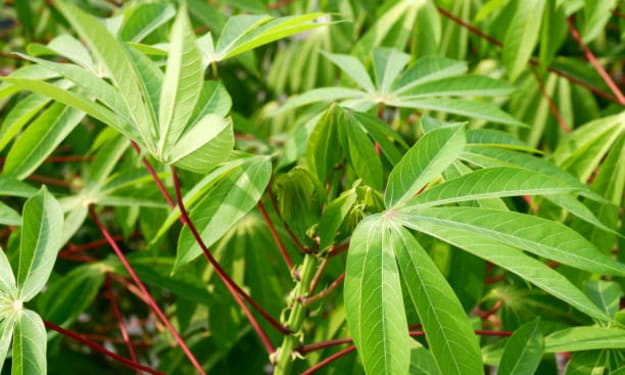
Healing Properties of Boiled Cassava Leaves with Salt and Garlic
Healing Properties of Boiled Cassava Leaves with Salt and Garlic Boil cassava leaves with salt and Garlic to treat this health problems completely Cassava leaves, when boiled with salt and garlic, offer a range of health benefits. This traditional remedy has been used for generations in various cultures to address different health problems. In this article, we will explore the potential healing properties of boiled cassava leaves with salt and garlic and how they can be utilized to treat specific health issues effectively. However, it's important to note that while this remedy has been used traditionally, individual results may vary, and it's always recommended to consult with a healthcare professional for proper diagnosis and treatment. Cassava leaves, derived from the cassava plant (Manihot esculenta), are widely consumed in many countries as a nutritious vegetable. They are rich in vitamins A, B, and C, as well as minerals such as calcium, iron, and potassium. Cassava leaves also contain antioxidants and phytochemicals, which contribute to their potential health benefits. Health Problems and Potential Benefits a) Hypertension: Boiled cassava leaves with salt and garlic have been traditionally used to manage hypertension. The combination of these ingredients may help lower blood pressure due to the vasodilating properties of garlic and the presence of certain compounds in cassava leaves. However, it's essential to monitor blood pressure regularly and consult with a healthcare professional for proper management. b) Inflammation: Cassava leaves contain anti-inflammatory compounds that can help alleviate inflammation in the body. Boiling them with salt and garlic may enhance their anti-inflammatory effects. This remedy can be potentially beneficial for conditions such as arthritis, joint pain, and inflammatory skin conditions. However, it's crucial to consult with a healthcare professional for proper diagnosis and treatment of underlying inflammatory conditions. c) Digestive Disorders: The consumption of boiled cassava leaves with salt and garlic has been associated with relieving symptoms of certain digestive disorders. The compounds present in cassava leaves, along with the antibacterial properties of garlic, may help promote a healthy gut environment and alleviate symptoms such as bloating, indigestion, and diarrhea. However, it's important to identify the underlying cause of digestive issues and seek appropriate medical advice. d) Respiratory Conditions: Boiled cassava leaves with salt and garlic have been used traditionally to alleviate respiratory symptoms such as cough and congestion. The expectorant properties of garlic, along with potential immune-boosting effects of cassava leaves, may help soothe respiratory passages. However, it's crucial to seek medical advice for proper diagnosis and treatment, especially for chronic respiratory conditions. Preparation and Usage To prepare boiled cassava leaves with salt and garlic, follow these steps: a) Gather the Ingredients: Fresh cassava leaves (approximately 2 cups) Garlic cloves (4-5 cloves) Salt (to taste) Water (enough to cover the leaves) b) Preparation: Wash the cassava leaves thoroughly to remove any dirt or impurities. Peel and crush the garlic cloves. In a pot, add water and bring it to a boil. c) Boiling Process: Add the cassava leaves to the boiling water and let them simmer for about 10-15 minutes until they become tender. Add the crushed garlic cloves and salt to the pot. Continue simmering for an additional 5 minutes. d) Serving and Consumption: Remove the pot from heat and let the mixture cool down slightly. Drain the excess water. Serve the boiled cassava leaves with salt and garlic as a side dish or incorporate them into your meals. Consume this preparation regularly as a part of a balanced diet. Precautions and Considerations While boiled cassava leaves with salt and garlic can provide potential health benefits, it's crucial to consider the following precautions: a) Allergies and Sensitivities: Some individuals may be allergic or sensitive to cassava leaves, garlic, or salt. It's important to be aware of any adverse reactions and discontinue use if any allergies or sensitivities are detected. If you have any known allergies or sensitivities, consult with a healthcare professional before trying this remedy. b) Dosage and Moderation: Although this remedy is generally safe, moderation is key. Excessive consumption of cassava leaves may lead to cyanide toxicity, as they naturally contain cyanogenic glycosides. Therefore, it's crucial to follow the recommended dosage and not exceed regular dietary quantities. c) Individual Variations: Every individual is unique, and different health conditions require personalized treatment approaches. While boiled cassava leaves with salt and garlic may provide potential benefits, it's important to consult with a healthcare professional to determine the suitability and effectiveness of this remedy for your specific health concerns. salt and garlic have been used traditionally to address various health problems. This remedy may offer potential benefits for hypertension, inflammation, digestive disorders, and respiratory conditions. However, it's important to remember that individual results may vary, and it's essential to consult with a healthcare professional for proper diagnosis and treatment. Incorporating this remedy into a balanced diet, along with maintaining a healthy lifestyle, can contribute to overall well-being
By Bridget Dyke3 years ago in Longevity
The Surprising Benefits of Walking: Simple Steps to Better Health
When it comes to improving our health, we often overlook one of the simplest and most accessible activities: walking. Walking offers a multitude of benefits for both our physical and mental well-being. In this article, we will explore the surprising benefits of walking and discover how this simple activity can transform our lives. Get ready to lace up your shoes and embark on a journey to better health—one step at a time.
By Grace Tyson3 years ago in Longevity
The Connection Between Nutrition and Mental Health: Food for Thought
When it comes to mental health, we often focus on therapy and medication, overlooking a critical aspect: nutrition. The food we consume not only fuels our bodies but also has a profound impact on our mental well-being. In this article, we will explore the fascinating connection between nutrition and mental health, uncovering the power of food to nourish not just our bodies, but also our minds. Get ready to discover the profound impact of nutrition on mental well-being and how you can make informed choices for a healthier mind.
By Grace Tyson3 years ago in Longevity
Exploring the Benefits of Natural Remedies: Harnessing Nature's Healing Power
In a world filled with synthetic medications and treatments, the healing power of nature often goes unnoticed. Natural remedies, derived from plants, herbs, and other natural sources, offer a holistic approach to health and wellness. In this article, we will delve into the benefits of natural remedies and explore how they can be harnessed to support our well-being. From ancient herbal remedies to contemporary holistic practices, discover the wonders of nature's healing gifts.
By Grace Tyson3 years ago in Longevity
Discover the Power of Herbal Teas: From Soothing to Energizing Blends
Herbal teas have been cherished for centuries for their delightful flavors and numerous health benefits. From soothing blends that promote relaxation to energizing infusions that invigorate the mind and body, herbal teas offer a world of natural wellness in a cup. In this article, we will explore the power of herbal teas and discover their diverse range of flavors and health benefits. Get ready to embark on a journey of tea exploration and unlock the potential of these aromatic brews.
By Grace Tyson3 years ago in Longevity
The Science of Gratitude: How Thankfulness Rewires Your Brain
Gratitude is a powerful emotion that goes beyond simple appreciation. Did you know that expressing gratitude has the potential to rewire your brain and positively impact your overall well-being? In this article, we will explore the science of gratitude and delve into how practicing thankfulness can bring about remarkable changes in your brain and life. Get ready to discover the transformative effects of gratitude and its profound impact on your mental and emotional well-being.
By Grace Tyson3 years ago in Longevity
The Role of Probiotics in Gut Health: Building a Strong Foundation
When it comes to overall health and well-being, the gut plays a vital role. A healthy gut is the foundation for optimal digestion, nutrient absorption, and a robust immune system. Probiotics, the beneficial bacteria that reside in our gut, play a crucial role in maintaining a healthy balance. In this article, we will delve into the role of probiotics in gut health and explore real-life examples that highlight their significance. Get ready to discover how probiotics can help you build a strong foundation for overall wellness.
By Grace Tyson3 years ago in Longevity