body
Love the body you're in with recipes, fitness, meditation, and everything needed to live a long and happy life.
Why Sleep is Essential for Your Heart, Immune System, and Weight Control
You know that saying, "I'll sleep when I'm dead?" Well, let's put that one to bed-literally. What if I told you that skimping on sleep could bring you closer to that final rest faster than you think? It turns out, sleep isn't just about waking up refreshed; it's more like hitting the reset button for your body, keeping everything from your heart to your immune system in check. So if you've been treating sleep like the optional luxury that it often is, it's time to change that approach.
By DEVASENAN SUBRAMANI2 years ago in Longevity
Some Simple Yoga Asana Tips for Beginners
Yoga is an excellent way to improve flexibility, strength, and mental clarity, and it can be practiced by people of all ages and fitness levels. For beginners, it’s best to start with simple poses that are easy to learn and hold. Here’s a guide to some basic yoga poses that can help you build a strong foundation. Beginner-Friendly Yoga Poses Each of these poses focuses on different aspects of yoga, from stretching and balance to relaxation and strength. As a beginner, remember to listen to your body, breathe deeply, and avoid pushing yourself into discomfort. 1. Mountain Pose (Tadasana) This is a foundational pose for almost every standing yoga posture. It helps improve posture, balance, and body awareness. How to Do It: Stand with your feet together, arms at your sides. Press evenly through your feet, engaging your thigh muscles while keeping your shoulders relaxed. Lift your chest, and let your arms hang naturally by your sides. Take a few deep breaths, keeping your body aligned. Benefits: Enhances posture, balance, and calmness while preparing the body for other poses. 2. Downward Facing Dog (Adho Mukha Svanasana) One of the most recognizable yoga poses, this posture stretches the entire body and builds strength. How to Do It: Start on all fours with your hands shoulder-width apart and your knees hip-width apart. Tuck your toes under and lift your hips toward the ceiling, straightening your legs as much as possible. Press firmly through your palms and let your head hang between your arms. Benefits: Stretches the hamstrings, calves, and spine while strengthening the arms and shoulders. 3. Child’s Pose (Balasana) This is a gentle resting pose that’s perfect for beginners and can be used to relax in between more challenging poses. How to Do It: Begin on your knees, then sit back on your heels. Extend your arms forward, lowering your forehead to the mat. Keep your arms extended or bring them alongside your body with palms facing up. Benefits: Relieves tension in the back, neck, and shoulders while promoting relaxation. 4. Cat-Cow Stretch (Marjaryasana-Bitilasana) This is a two-part pose that gently warms up the spine, making it ideal for beginning a yoga session. How to Do It: Start on all fours with your wrists under your shoulders and knees under your hips. Inhale and arch your back (cow pose), lifting your tailbone and looking up. Exhale and round your spine (cat pose), tucking your chin toward your chest. Repeat this flow several times. Benefits: Increases flexibility in the spine, improves posture, and helps relieve back pain. 5. Tree Pose (Vrksasana) A simple standing balance pose, Tree Pose helps improve focus and stability. How to Do It: Stand with your feet together, then shift your weight onto your left leg. Place your right foot on the inner thigh or calf of the left leg (avoid the knee). Bring your hands together at your chest or extend them overhead. Focus on a point in front of you to help maintain balance. Benefits: Enhances balance, concentration, and strengthens the legs. 6. Bridge Pose (Setu Bandhasana) This is a mild backbend that stretches the spine, chest, and neck. How to Do It: Lie on your back with your knees bent and feet flat on the floor, hip-width apart. Place your arms at your sides with palms facing down. Press through your feet to lift your hips toward the ceiling, engaging your core and thighs. Hold for a few breaths, then lower down. Benefits: Strengthens the back, glutes, and hamstrings, while opening the chest and hip flexors. 7. Seated Forward Bend (Paschimottanasana) This pose stretches the entire back of your body, from your calves to your spine. How to Do It: Sit on the floor with your legs extended in front of you. Inhale and lengthen your spine, then exhale as you reach forward, aiming to touch your toes. If you can’t reach your toes, rest your hands on your shins or ankles. Benefits: Stretches the hamstrings, calves, and back while calming the mind. 8. Cobra Pose (Bhujangasana) A gentle backbend that strengthens the spine and opens up the chest. How to Do It: Lie face down with your legs extended and palms flat on the floor beneath your shoulders. Inhale and press through your palms to lift your chest off the mat, keeping your elbows slightly bent. Avoid straining your lower back, and hold for a few breaths before lowering down. Benefits: Strengthens the spine, improves posture, and stretches the chest, shoulders, and abdomen. 9. Warrior I (Virabhadrasana I) This standing pose helps build strength and confidence, working the legs, core, and shoulders. How to Do It: Start in a standing position, then step your right foot back about 3–4 feet. Bend your left knee while keeping the right leg straight. Turn your right foot slightly outward, and raise your arms overhead. Square your hips to face forward, and hold for several breaths before switching sides. Benefits: Strengthens the legs, stretches the hips, and builds focus and balance. 10. Corpse Pose (Savasana) The final relaxation pose, Savasana is typically done at the end of a yoga session to promote relaxation and integrate the practice. How to Do It: Lie on your back with your arms by your sides, palms facing up. Let your feet fall open naturally. Close your eyes, focus on your breath, and allow your body to fully relax. Stay in this pose for 5–10 minutes, breathing deeply and allowing yourself to rest. Benefits: Promotes deep relaxation, reduces stress, and calms the mind. Tips for Beginners Focus on Your Breath: Breathing deeply and consistently is key to reaping the benefits of yoga. Pay attention to your breath as you move through poses, inhaling to expand and exhaling to release tension. Listen to Your Body: Yoga is not about pushing yourself to the limit. Respect your body’s limitations, and don’t force any pose. If something feels uncomfortable, back off or modify the position. Use Props if Needed: Don’t hesitate to use blocks, straps, or blankets to support your body and make poses more accessible. Practice Regularly: Consistency is key in yoga. Even practicing a few poses for 10–15 minutes daily can lead to noticeable improvements in flexibility and strength over time. Stay Present: Yoga is as much about the mind as it is the body. Stay present and aware during your practice, focusing on how each pose makes you feel rather than worrying about how it looks. Final Thoughts These beginner poses offer a gentle introduction to yoga and help build a solid foundation for more advanced practice. As you become more comfortable with these poses, you’ll likely notice improvements in flexibility, balance, and mental clarity. Remember that yoga is a personal journey; there’s no need to rush or compare yourself to others. Embrace each pose, breathe deeply, and enjoy the experience of connecting with your body and mind.
By Devender Singh2 years ago in Longevity
My Recent Fascination In Solving Burnout For Leaders
If you have followed my work, you'll know that I talk about Burnout. Frequently. It's Easy to Understand Why. From a Leadership Perspective, Burnout is the World's Number One Problem.
By H.E. Dr. Cody Dakota Wooten, COIE, DFM, DHM2 years ago in Longevity
WHY CERTAIN ARM POSTURES NORMALLY USED FOR BLOOD PRESSURE TESTS MAY RESULT IN ERRONEOUS READINGS. HERE IS THE CORRECT METHOD FOR DOING IT.
A new study discovered that having your arm in the wrong position during blood pressure checks, whether at home or at the doctor's office, can result in readings "markedly higher" than when your arm is properly supported on a table with the middle of the cuff positioned at heart level.
By Bethel Nwabuike2 years ago in Longevity
Acupuncture for Effective Weight Loss
Acupuncture for Effective Weight Loss In a generation when physical fitness is given topmost attention, people are always on the lookout for the newest and most effective means for weight loss. Acupuncture, the method of inserting thin, filiform needles on certain points in an individual s body, has been found to be one effectual method for losing weight.
By Cyri K Mababu2 years ago in Longevity
Acupuncture and Autism
Acupuncture and Autism Studies have shown that there is an increase in the number of children that have been diagnosed with autism. Until now, doctors have not yet found a cure to this illness which is why some parents want to experiment with alternative forms of treatment and one example is acupuncture.
By Cyri K Mababu2 years ago in Longevity
Ignite Your Heart with Cardio Without Equipment
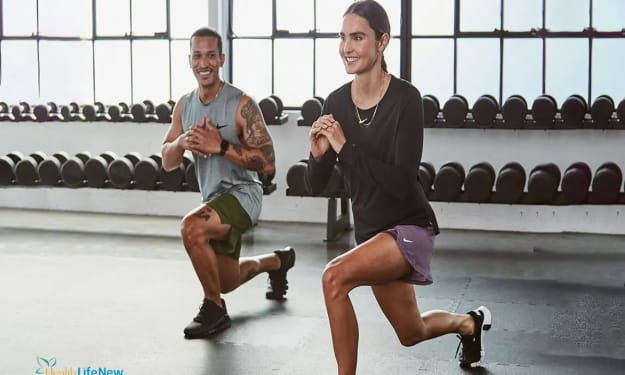
Cardio without equipment is an essential aspect of fitness that allows individuals to elevate their heart rates and burn calories without the need for a gym or any special gear. This form of exercise can be performed anywhere, making it highly accessible for those who may not have the time or resources to invest in fancy machines or memberships. By focusing on bodyweight exercises, running, jumping, and even dancing, anyone can incorporate effective cardiovascular workouts into their daily routine. Not only does this provide a sense of freedom and creativity, but it also encourages individuals to explore new ways to activate their bodies, strengthen their hearts, and improve their overall health.
By Healthy Pures | Health & Wellness 2 years ago in Longevity
The Origins of Human Design: Ra Uru Hu's Story
Human Design is a fascinating system that synthesizes various elements of astrology, the I Ching, the Kabbalah, the Chakra system, and quantum physics. It presents a unique lens through which individuals can understand their personality, strengths, and challenges. At the heart of this system lies its founder, Ra Uru Hu, a figure shrouded in mystery and intrigue. His life and experiences are fundamental to understanding the origins of Human Design.
By Future of Resilience 2 years ago in Longevity
The Dangers of Stepping on a Rusty Nail: Understanding Tetanus
Stepping on a rusty nail may seem like a minor injury, but it can lead to serious health risks, particularly the infection known as tetanus. This article explores the historical context, causes, symptoms, and prevention of tetanus, emphasizing the importance of vaccination and proper wound care. https://zireemilsoude.net/4/8149800
By DANIEL AKAM OKO2 years ago in Longevity
What Happens If You Don’t Drink Water?
Water is everywhere — from the moisture in soil and ice caps to the cells in our bodies. The average human is comprised of about 55-60% water, depending on various factors such as location, body fat percentage, age, and gender. At birth, human babies are even more hydrated, consisting of around 75% water; they are remarkably similar to fish in this regard. This percentage decreases to approximately 65% by their first birthday. Understanding the role of water in our bodies is crucial for maintaining health and well-being. https://zireemilsoude.net/4/8149800
By DANIEL AKAM OKO2 years ago in Longevity