beauty
Beauty products, advice, influencers, and more in the health and wellness space.
How to Meditate If You’re an Overthinker
If your brain feels like a browser with 47 tabs open—half of them flashing with notifications—you're not alone. Overthinking is a common mental habit, especially in our always-on, information-heavy world. And when someone tells you to “just meditate,” it can feel like asking a tornado to sit still.
By Black Markabout a year ago in Longevity
Breathwork vs. Meditation: What’s the Difference and When to Use Each
In the world of mindfulness and mental well-being, two practices often come up: breathwork and meditation. While they’re frequently mentioned together—and sometimes even used interchangeably—they’re not the same. In fact, each has its own unique approach, purpose, and impact on the brain and body.
By Marina Gomezabout a year ago in Longevity
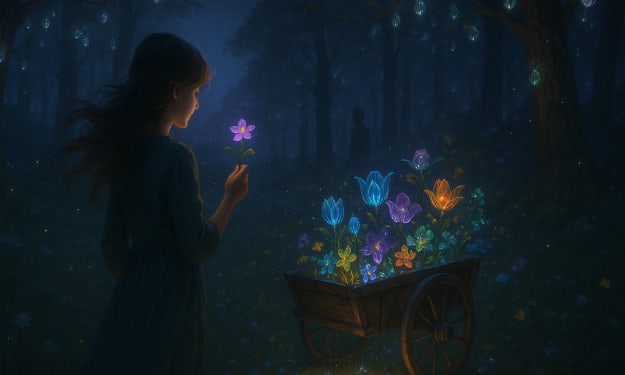
Glass Flowers
In a town made of stone and silence, where the air smelled faintly of ash and forgotten dreams, there lived a girl named Elira who could make flowers from glass. Not just any glass—she used shards collected from broken windows, shattered bottles, and fractured memories. She lived in an old greenhouse at the edge of the ruins, where no birds sang, and no real flowers grew anymore. The world had changed years ago. A strange sickness called “The Withering” had swept across the Earth, stripping color from petals and silence from songbirds. Trees stopped blooming. Gardens turned gray. People learned to live without beauty, without scent, without the soft joy of green things. They called it survival. Elira called it mourning. But Elira remembered. She remembered her mother’s garden—roses that smelled like honey, sunflowers taller than her father, violets that whispered in the night wind. Her mother had died when the Withering came, refusing to abandon the garden. Elira, just a child then, had hidden inside a rain barrel to survive the raid that followed the sickness. When she emerged, everything was quiet. Everything was broken. Except her hands. One evening, while cleaning the old greenhouse, Elira had picked up a shard of blue glass. It glinted like a teardrop in the twilight. On a whim, she held it over the flame of a broken lamp she’d repaired. As it softened and shimmered, her fingers moved instinctively—twisting, shaping, spinning. What emerged was a fragile blue tulip—so realistic it made her gasp. Word spread slowly. People didn’t come to her for hope or healing anymore—those were luxuries they had long since buried. But they came for her flowers. She crafted lilies that gleamed like ice, daffodils like drops of sunlight, orchids as pale as moonlight. And though they were cold to the touch, something about them felt alive. Some said she was a witch. Others called her a miracle. But Elira didn’t care. She wasn’t doing it for them. Then one day, a boy came. His name was Kael, and unlike the others, he brought no coin. Instead, he carried a bundle wrapped in cloth. Inside was a withered stem—the last real flower anyone had seen. A rose, brittle and brown, its petals curled like paper. He placed it in her hand and said, “Can you bring this back?” She stared at it. “It’s dead.” “I know,” he replied. “But maybe your glass can teach it how to live again.” She said nothing, but that night, she worked. Not to copy, not to mimic, but to remember. She closed her eyes and imagined her mother’s garden. The warmth. The humming bees. The scent of earth and sunlight. And from memory—not just from glass—she shaped a rose. Not perfect. But more than a copy. When Kael returned, he held the glass rose and stared. “It feels… different.” “It’s not just glass,” she whispered. “It’s longing. It's memory.” He smiled. “Then maybe it’s what the world forgot.” Days turned to weeks. Kael visited often, bringing books, old seeds, scraps of stories. He told her that deep in the heart of the forest, some believed a few real flowers still grew—hidden from the world, protected by the Earth itself. Elira wanted to believe. So together, they left the greenhouse behind. With a cart full of glass flowers and hope, they journeyed into the forgotten forest. Birds began to follow them—first one, then a flock. Animals peeked from behind trees. And one morning, Elira awoke to find something extraordinary. A small violet, blooming beside her sleeping bag. It wasn’t made of glass. --- Years later, the world began to change again. Not in destruction—but in blooming. Children planted seeds. Old men wept over saplings. Bees returned. Color returned. And everywhere, in towns that had forgotten how to feel, there were whispers of the girl who shaped glass into memory, and memory into magic. In the center of the first new garden, where flowers grew wild and fearless, stood a statue—not of a queen or warrior, but of Elira, holding a single glass rose. Beneath her feet, a plaque read: “Even in silence, beauty waits to be remembered.” And in the wind, when it passed through the petals, some swore they could hear laughter—and the soft hum of a world beginning to bloom again.
By Mati Henry about a year ago in Longevity
Why Micro-Moments Are the New Battleground for Self-Care
Introduction In a world moving faster than ever, self-care has evolved—from extended spa days to bite-sized, meaningful micro-moments throughout our day. Want to wake up more energized, reduce stress, or squeeze in mindfulness? Forget the weekend retreats and grab a two-minute midday breath. Today, self-care is in the details, not the downtime. In this article, discover what micro-moments are, why they're trending, and how to make them work for you—whether you're stuck in meetings, chasing deadlines, or craving calm in a chaotic world. --- What Are Micro-Moments? “Micro-moments” are short, intentional pauses—five seconds to five minutes—that give your mind a chance to rest and reset. Think: A two-minute breathing exercise after a tough call Reaching for a green plant and pausing to breathe deeply Standing to stretch after hours at your desk These moments aren't simply “breaks”—they’re tiny rituals that interrupt stress loops and signal to your brain, “It’s okay to slow down.” They are gaining popularity because they fit effortlessly into our busy schedules and they work. --- 🌥️ Why They’re Blowing Up Now 1. Modern burnout culture Millennials and Gen Z juggle remote work, hybrid schedules, caregiving, and a never-ending stream of notifications. Official paid breaks don’t cut it. We need on-demand rest—something we can activate anywhere, anytime. 2. Science-backed benefits Research shows that even brief mindfulness can lower cortisol (the stress hormone), improve attention, and spark creative thinking. It’s like powering up in short bursts—and the best part? You don’t need a cushion or fancy app. 3. Digital wellness trend With screen time at all-time highs, we’re craving quick, screen-free resets. Micro-moments are becoming the antidote to overstimulation. Plus, platforms like Vocal love short-form, high-impact pieces—perfect for showcasing how to weave these moments into everyday life. --- Five Powerful Micro-Moments to Practice 1. The Two-Minute Box Breathing Breathe in for 4 counts. Hold for 4. Exhale for 4. Hold for 4. Repeat twice. This technique, used by Navy SEALs and wellness coaches alike, resets your autonomic system instantly. 2. The Gratitude Flash For just 30 seconds, recall one thing you deeply appreciate—someone’s kindness, a good cup of tea, or a warm memory. It reboots your mood and fosters positivity. 3. The Desk Stretch Take 60 seconds to stand up and do simple stretches: shoulder rolls, neck tilts, wrist rotations. You’ll feel more focused and less tension in your body. 4. Nature Snapshot Pause, look outside, or briefly step onto your balcony. Observe clouds, trees, or sky. Nature instantly chills out your nervous system. No need for a hike—just a glance outside. 5. Aromatherapy Pause Keep a small essential oil roller (like lavender or eucalyptus) at your desk or in your pocket. Roll it on your wrists and inhale for a quick sensory reboot. --- Tips for Making Micro-Rituals Stick Anchor them to routines: After you pour coffee, take your gratitude flash. Before you start Zoom, take a breath. It’s easier to habit-stack than to create something entirely new. Reminders aren’t cheating: Set timer reminders or phone alerts. Or use screen-free cues—like a sticky note on your monitor. Track them casually: Use a paper planner or a simple habit tracker app. Even marking a “✔” helps strengthen the habit loop. Celebrate consistency: The power lies in repetition. After a week of daily micro-moments, pause to notice small differences: calmer mornings, fewer headaches, sharper focus. --- Micro-Moments and Vocal Media: A Perfect Match Vocal readers crave actionable lifestyle tips: Show them how 2-minutes can shift their day. SEO and discoverability: This topic nails search terms like “micro self-care tips” and “quick stress relief.” Highly shareable format: Break the article into listicle-style sections for easy reading. Include a how-to guide, personal anecdotes, and expert quotes (you can add them later). Monetization potential: Suggest simple wellness products like a portable roller or mindfulness journal—Vocal lets writers include affiliate links. Just stay authentic! --- A Daily Micro-Moment Routine Example Time Moment Goal 8:15 AM Gratitude flash after coffee Start day positively 10:30 AM Box breathing after first meeting Reset stress before lunch 1:00 PM Desk stretch after lunch Re-energize body and mind 3:30 PM Nature snapshot at balcony Mid-afternoon refresh 5:45 PM Aromatherapy pause before end of day Transition from work mode --- Final Takeaway Self-care doesn't have to be a big commitment—it can be a gentle whisper amid life’s clamor. These micro-moments are simple, yet profoundly effective. They help you recharge, refocus, and thrive—without disrupting your rhythm. Over time, you may find that those tiny rituals don't just brighten your day—they transform it. So grab your favorite aromatic roller, scribble a “thank you” in a notebook, or take a breath right now. Then share the magic: write your surprising wins with micro-moments on Vocal Media and start earning—because meaningful, bite-sized self-care is just as valuable online as it is in your day.
By Junior Abdulabout a year ago in Longevity
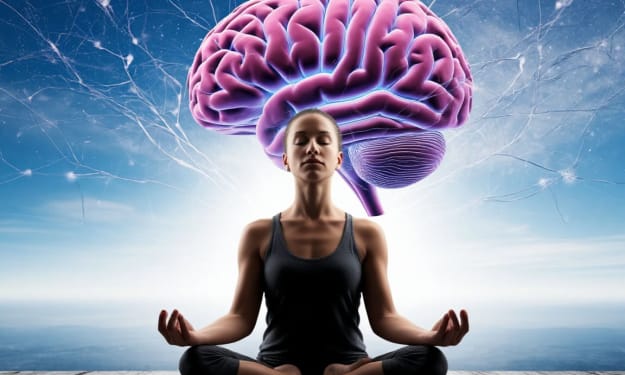
Meditation and Neuroplasticity: Can You Rewire Your Mind?
The idea that your brain is fixed and unchangeable has long been disproven by science. Thanks to the concept of neuroplasticity, we now know the brain is remarkably adaptable—it can form new connections, strengthen existing ones, and even rewire itself throughout life. But how does meditation fit into this picture? Can sitting quietly really change the structure and function of your brain?
By Black Markabout a year ago in Longevity
From Chaos to Clarity: How Meditation Affects Cognitive Load
In our hyper-connected world, the brain is constantly juggling an overwhelming amount of information. Notifications, emails, meetings, endless to-do lists — all contributing to what psychologists call cognitive load, the mental effort used to process and store information.
By Marina Gomezabout a year ago in Longevity
Botox for Frown Lines
Botox for frown lines is one of the most effective and widely used treatments to smooth out the vertical wrinkles between your eyebrows commonly called glabellar lines or "11s." These lines form due to repeated facial expressions like frowning, concentrating, or squinting, and they can make you appear older or more stressed than you really are. For those seeking a fast, non-surgical solution, Botox is a top choice. If you are searching for the best providers, you will find several reputable med spas offering excellent result. In this blog, we will break down how Botox for frown lines works, what to expect during treatment, and where to find the best places to get it done.
By john albertabout a year ago in Longevity
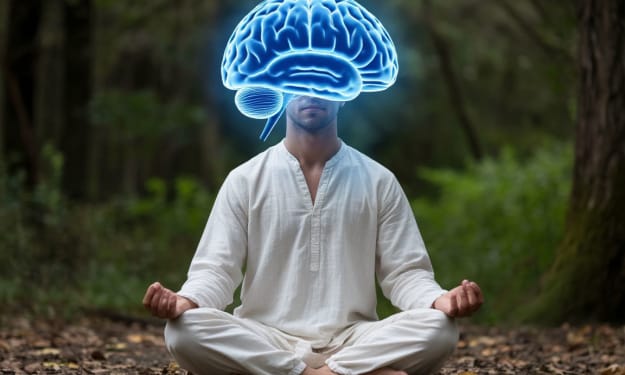
The Science of Stillness: What Happens in Your Brain During Meditation
Stillness doesn’t just feel good—it changes your brain in profound ways. When you meditate, you’re not merely sitting quietly; you’re engaging complex neurological processes that scientists are only beginning to understand.
By Victoria Marseabout a year ago in Longevity
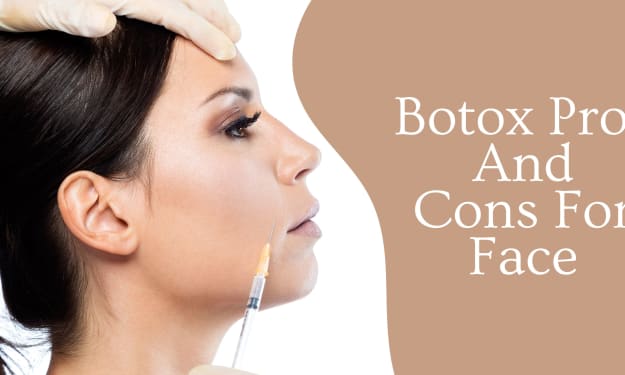
Botox Pros and Cons For Face
Botox pros and cons for face is a hot topic for anyone considering facial aesthetics or anti-aging treatments. With Botox becoming increasingly popular in cosmetic procedures, it is essential to weigh both the benefits and drawbacks before making a decision. Understanding the Botox pros and cons for face can help you make an informed, confident choice about whether this treatment is right for your goals. In this blog, we will explore a balanced list of what you should know backed by expert insight and real-world feedback.
By john albertabout a year ago in Longevity
How Exercise Can Help You Live a Longer Life
Exercise has long been known to be beneficial for physical health, and recent studies have shown that it can also have a significant impact on one's lifespan. Engaging in regular exercise has been linked to a variety of health benefits, including a reduced risk of chronic diseases, improved mental health, and a longer lifespan. In this article, we will explore how exercise can help you live a longer life and provide tips on how to incorporate exercise into your daily routine.
By Zafar Iqbal Mohsinabout a year ago in Longevity