
Roof Top Tents That Redefine Outdoor Comfort and Freedom
Roof Top Tents
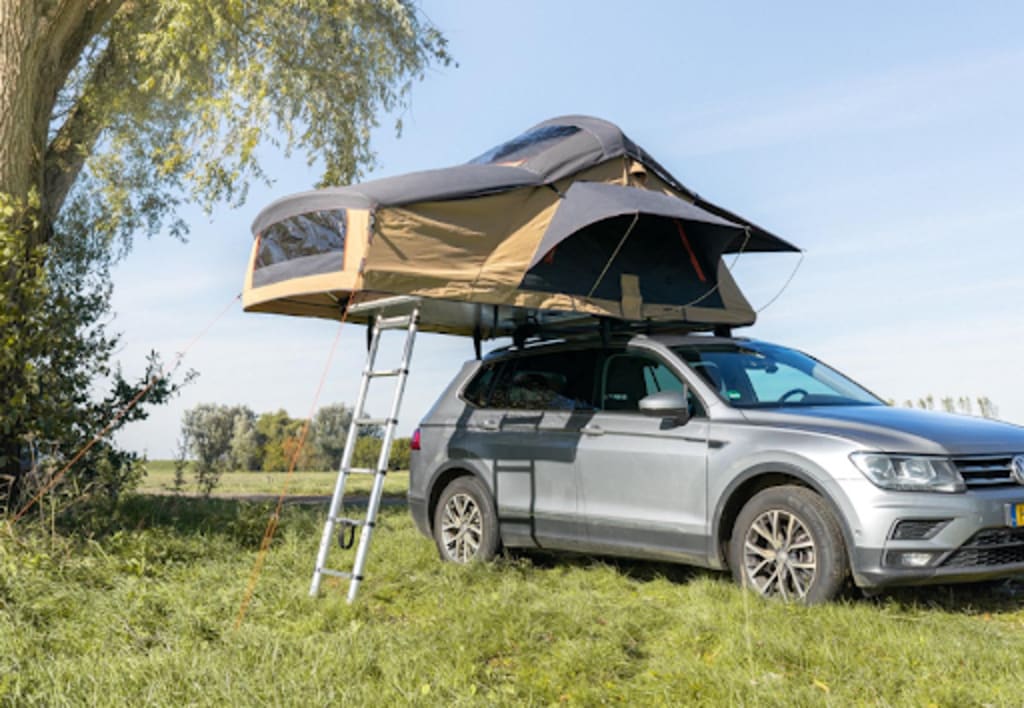
Camping rarely fails because of the destination. It fails in the details. A slight slope under the spine. Moisture is creeping in where it should not. The slow irritation of packing and unpacking the same gear every evening. None of it feels dramatic, yet it quietly shapes the entire trip. This is where roof top tents begin to matter, not as a trend, but as a practical response to those overlooked frustrations.
Easy Setup
The real difference shows at the end of a long drive. Fatigue sets in, and even small tasks feel unnecessarily complicated. With ground tents, there is always a sequence. Find level ground. Clear it. Adjust the frame. Recheck it all. That routine becomes repetitive, almost mechanical. With roof top tents, that routine breaks. The setup feels immediate. No scanning the ground. No second-guessing the spot. This shift does something subtle. It preserves energy, not just physically but mentally. The mind does not stay stuck in task mode. It moves on faster.
Elevated Comfort
Comfort in camping is often reduced to surface talk, usually about padding or sleeping bags. The real issue runs deeper. Ground sleeping keeps the body alert, even during rest. Small movements underneath trigger awareness. The result is sleep that never fully settles. Elevation changes that dynamic. The surface feels consistent. There are no hidden variables beneath. That stability allows the body to relax properly. It is not about luxury. It is about removing interruptions that prevent real rest from happening.
Weather Protection
Weather is less about extremes and more about persistence. Light rain that does not stop. Wind that keeps shifting direction. These conditions rarely ruin a trip outright, but they wear it down slowly. Ground tents often amplify this effect. Moisture builds underneath. Fabric reacts to every change in wind. With roof top tents, the exposure feels different. Being raised above the ground removes one of the main pressure points. The structure tends to stay more stable. This does not eliminate weather, but it reduces its influence on comfort. That difference becomes more noticeable over time.
Freedom to Explore
Most travel plans are shaped by limitations rather than intention. Campsites are chosen because they are easy, not because they are interesting. That pattern repeats until every stop feels similar. When the need for perfect ground disappears, choices expand. A place does not have to be ideal to be usable. It only needs to feel right. This changes decision making. Stops become less predictable. Routes become less fixed. The journey starts to respond to curiosity instead of convenience. That shift adds a layer of unpredictability, but in a way that feels controlled rather than chaotic.
Space Efficiency
Clutter is rarely discussed in camping, yet it affects everything. Limited space forces constant adjustment. Bags move around. Gear overlaps. Nothing stays where it should. Over time, this creates friction. A roof-mounted sleeping setup changes that balance. The interior of the vehicle becomes more stable. Items have a place, and they tend to stay there. This reduces the need for constant rearranging. It also creates a cleaner mental space. Less clutter outside often leads to less clutter in thought, especially during longer trips.
Closer Connection
There is an assumption that more comfort leads to less connection with nature. That idea does not always hold. Discomfort often distracts more than it connects. Minor irritations occupy the body, causing attention to drift away from the surroundings. Elevation introduces a different kind of engagement. The view opens up slightly. Sounds feel more distant, yet clearer. With roof tents, the experience feels less intrusive and more observational. There is still immersion, but without constant interruption. This balance enables a quieter, more deliberate observation of the environment.
Conclusion
Roof top tents do not transform camping into something unrecognisable. They refine it by removing the small, persistent issues that usually go unaddressed. The changes are not dramatic on their own. Setup feels easier. Sleep becomes more consistent. Movement between places feels less restricted. Over time, these adjustments reshape the overall experience. Travel begins to feel less like a series of tasks and more like a continuous flow. That difference is not always obvious at first, but it becomes clear with use. It allows attention to shift back to the purpose of the journey itself.
About the Creator
Enjoyed the story? Support the Creator.
Subscribe for free to receive all their stories in your feed.
Comments
There are no comments for this story
Be the first to respond and start the conversation.