
North Sentinel Island: The Mysterious Island the Outside World Was Never Meant to Enter
Hidden in the Andaman Sea, North Sentinel Island is home to one of the world's most isolated Indigenous communities—and outsiders are prohibited from visiting.
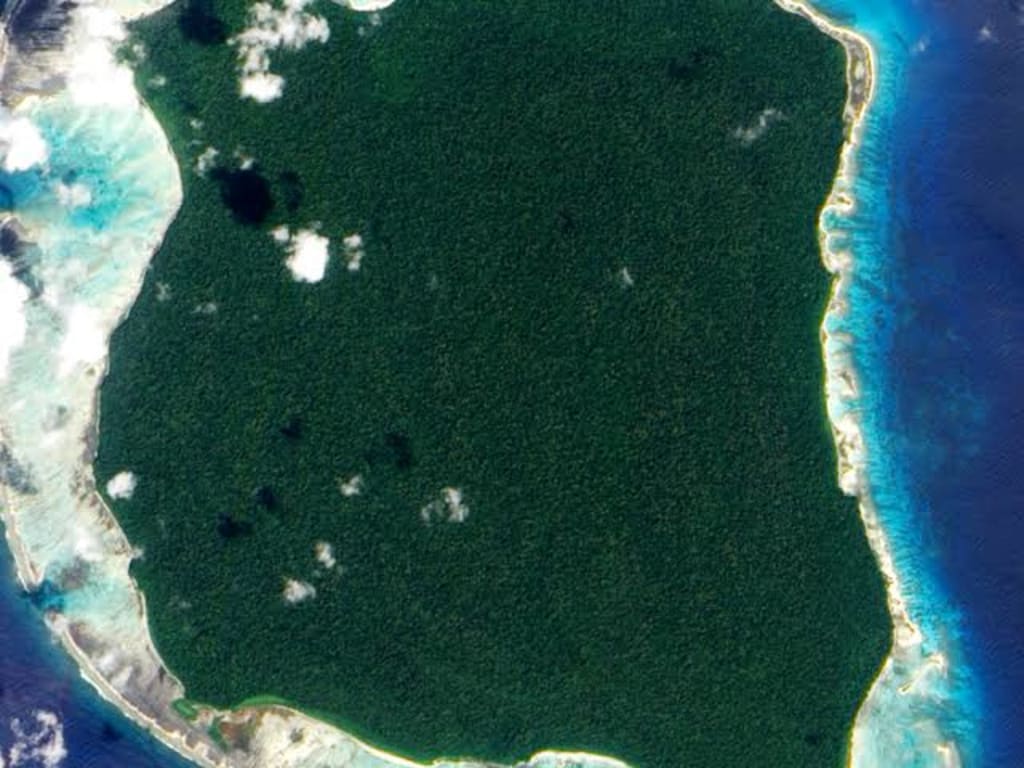
There are places on Earth that remain almost completely separated from modern civilization. One of the most mysterious is North Sentinel Island, a small, heavily forested island in the Bay of Bengal that has fascinated explorers, researchers and travelers for generations.
The island is part of India's Andaman and Nicobar Islands, but unlike most tourist destinations in the region, it is strictly off-limits to visitors.
The reason is unusual and important: North Sentinel Island is home to the Sentinelese, an Indigenous people who have maintained an extremely isolated way of life.
An Island Surrounded by Mystery
North Sentinel Island is covered by dense tropical forest and surrounded by coral reefs and shallow waters.
Because outsiders are prohibited from visiting, very little is publicly known about the daily lives, traditions or population of the Sentinelese.
Researchers have learned some information through observations from a distance and brief historical encounters, but much about the community remains unknown.
That uncertainty has contributed to the island's reputation as one of the world's great modern mysteries.
Unlike an ancient lost city, however, North Sentinel Island is not an abandoned place waiting to be discovered.
People live there today.
Who Are the Sentinelese?
The Sentinelese are an Indigenous community believed to have lived on North Sentinel Island for thousands of years.
Their exact population is unknown.
Because the community has little or no regular contact with the outside world, estimates are difficult to make.
The Sentinelese also have their own language, which outsiders have not been able to document adequately.
Their isolation means that scientists cannot simply enter the island and conduct conventional surveys.
Instead, researchers must respect restrictions designed to protect the community.
Why Is the Island Off-Limits?
The Indian government has established strict protections around North Sentinel Island.
Visitors are prohibited from approaching the island.
The policy is intended to protect both the Sentinelese and outsiders.
One major concern is disease.
Because the Sentinelese have had extremely limited exposure to many diseases common elsewhere in the world, contact with outsiders could potentially expose them to infections against which they may have little immunity.
Even an apparently harmless illness could have devastating consequences for an isolated population.
There is also the question of cultural survival.
Centuries of outside contact have dramatically changed many Indigenous communities around the world. Keeping North Sentinel Island protected allows the Sentinelese to maintain their own way of life.
Encounters With Outsiders
Although the Sentinelese have remained isolated, outsiders have attempted to approach the island at various points in history.
Some encounters have been peaceful, while others have involved the Sentinelese warning approaching people to stay away.
The community has become known for resisting unwanted contact, sometimes using bows and arrows to deter visitors.
These reactions are often portrayed sensationally, but from the perspective of the Sentinelese, an approaching boat may represent an unknown and potentially dangerous threat.
Their response can therefore be understood within the context of protecting their territory.
The 2004 Tsunami
One of the biggest mysteries surrounding North Sentinel Island emerged after the devastating Indian Ocean tsunami in December 2004.
The tsunami affected coastal communities across the region and caused enormous loss of life.
Because North Sentinel Island was difficult to access and outside contact was restricted, there were immediate concerns about whether the Sentinelese had survived.
Indian authorities sent a helicopter to observe the island.
During the aerial survey, a Sentinelese man was seen on the beach and appeared to signal toward the aircraft.
The sighting provided powerful evidence that members of the community had survived the disaster.
How they managed to survive such a massive natural event remains a subject of interest.
Their traditional knowledge of the island's environment may have helped them respond to changes in the sea and move to safer areas.
The Island and Modern Technology
North Sentinel Island is particularly fascinating because modern technology exists alongside a community that has chosen—or has historically been able—to remain largely outside modern society.
Satellite images can reveal the island's forests, beaches and coastline.
Aircraft and boats can observe parts of the island from a distance.
But technology cannot provide unrestricted access to the community.
And that is precisely the point.
The island's mystery is partly preserved because outsiders are not entitled to investigate every part of it.
A Controversial 2018 Incident
In 2018, an American missionary named John Allen Chau illegally traveled toward North Sentinel Island in an attempt to contact the Sentinelese.
He was killed after approaching the island.
The incident generated international debate about isolation, Indigenous rights, religious missions and the dangers of unauthorized contact.
It also renewed attention on India's restrictions surrounding the island.
The case demonstrated why authorities consider unauthorized visits dangerous—not only for visitors but also for the people living on the island.
A Mystery That Should Remain Protected
North Sentinel Island is sometimes described online as a “forbidden island” or a place that modern civilization has failed to uncover.
That description can be misleading.
The island is not truly undiscovered.
Its existence has been known for centuries, and its location is well established.
What remains unknown is much more interesting: the details of the Sentinelese people's language, culture, population and everyday life.
Those mysteries exist because the community has remained isolated.
For many people, the natural reaction is curiosity. But curiosity does not automatically create a right to enter someone else's home.
Why North Sentinel Island Matters
North Sentinel Island raises important questions about privacy, cultural survival and the rights of Indigenous peoples.
About the Creator
Enjoyed the story? Support the Creator.
Subscribe for free to receive all their stories in your feed.
Comments
There are no comments for this story
Be the first to respond and start the conversation.