
How AI Is Changing Hobbies That People Once Considered "Purely Human"
As AI enters creative spaces, what remains uniquely human

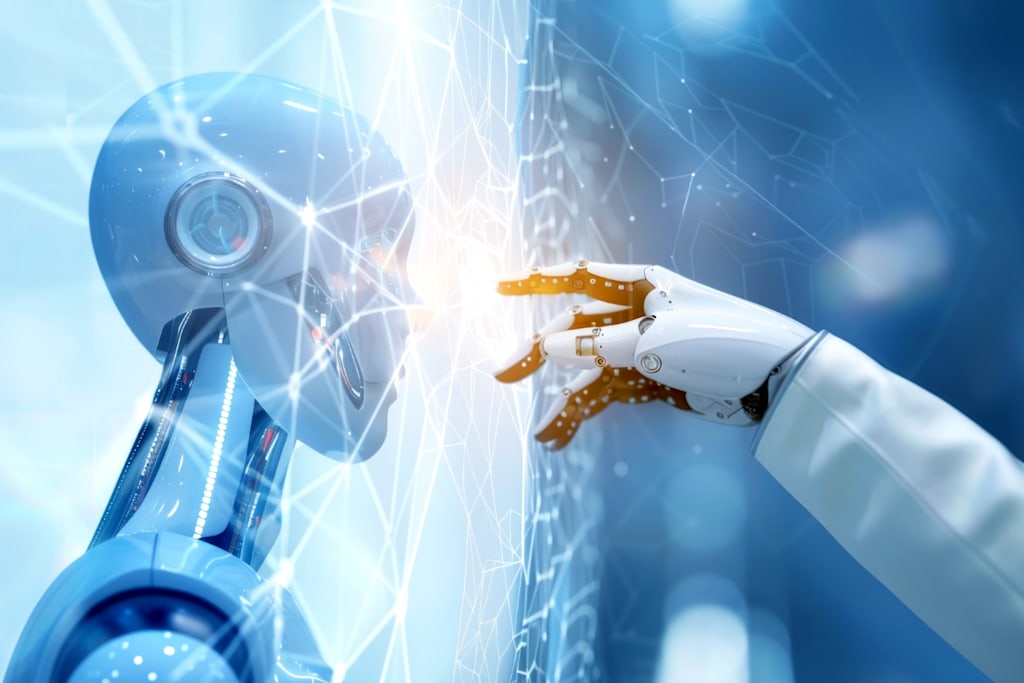
For generations, many hobbies were seen as deeply human activities. Painting, writing, composing music, photography, and even gardening were often viewed as expressions of creativity, intuition, and personal experience. Yet today, artificial intelligence is becoming part of these pursuits in ways that would have seemed impossible only a few years ago. The conversation around **how AI is changing hobbies that people once considered "purely human"** is no longer about the future. It is happening right now.
The rise of AI tools has sparked excitement, curiosity, and sometimes concern. Some people see these technologies as creative partners that help them learn new skills. Others worry that technology could diminish the personal satisfaction that comes from mastering a craft. The reality is more complex than either extreme.
Rather than replacing hobbies, AI is often reshaping how people engage with them.
The New Creative Assistant
One of the biggest changes brought by AI is accessibility. Activities that once required years of practice can now be explored more easily by beginners.
Take digital art as an example. In the past, creating polished artwork required a strong understanding of drawing techniques, colour theory, and design principles. Today, AI-powered tools can generate images based on simple text descriptions. Someone with little artistic training can experiment with visual ideas and produce impressive results within minutes.
This does not mean traditional artistic skills have become irrelevant. Skilled artists still bring knowledge, style, and originality that technology cannot fully replicate. However, AI has lowered the barrier to entry, allowing more people to participate in creative activities that may have once felt intimidating.
A similar trend can be seen in writing. AI-assisted writing tools can suggest ideas, improve grammar, and help overcome writer's block. For many hobbyist writers, this support makes the creative process feel less daunting and more enjoyable.
Music Creation Is Becoming More Accessible
Music has long been regarded as one of the most personal forms of artistic expression. Learning an instrument often requires patience, discipline, and years of practice.
AI is not eliminating those requirements, but it is changing the way people approach music as a hobby.
Modern software can generate melodies, suggest chord progressions, and even create backing tracks. Someone with limited musical knowledge can experiment with composition in ways that previously required formal training.
For amateur musicians, this can be incredibly empowering. Instead of spending months learning technical details before creating something meaningful, people can begin exploring ideas immediately.
Interestingly, many musicians use AI as a starting point rather than a replacement for creativity. The technology generates possibilities, but humans still decide which ideas are worth developing.
Photography Beyond the Camera
Photography has also experienced significant changes.
Traditional photography relied heavily on understanding lighting, composition, camera settings, and editing techniques. While those skills remain valuable, AI-powered editing software can now handle many tasks automatically.
Photos can be enhanced with a single click. Unwanted objects can be removed from images. Colours can be adjusted intelligently based on the scene.
For hobby photographers, this means spending less time on technical corrections and more time focusing on storytelling and creativity.
At the same time, the ease of AI editing has sparked debates about authenticity. If software can dramatically alter an image, where does photography end and digital art begin?
There is no simple answer, but the discussion itself reflects how technology is reshaping long-held assumptions about creative hobbies.
The Changing Nature of Writing
Writing may be one of the most affected hobbies of all.
For centuries, writing has been considered a uniquely human activity because it depends on language, imagination, and personal perspective. AI systems can now generate stories, articles, poems, and dialogue with surprising fluency.
This development has led some people to question the future of creative writing.
Yet many hobby writers are discovering that AI functions best as a collaborative tool. It can suggest plot ideas, help organise thoughts, or provide feedback during the drafting process.
The emotional core of a story still comes from human experience. Readers connect with personal insights, genuine emotions, and unique viewpoints. These qualities remain difficult to automate.
As a result, many writers are using AI to handle routine tasks while focusing their own energy on creativity and storytelling.
Learning New Skills Faster
Beyond creativity, AI is transforming how people learn hobbies.
In the past, acquiring a new skill often depended on books, classes, or experienced mentors. Today, AI-powered tutors and learning platforms can provide personalised guidance at any time.
Someone learning chess can analyse games with an AI coach. A language learner can practise conversations with virtual assistants. Amateur programmers can receive instant feedback on their code.
This personalised support allows hobbyists to progress more quickly and stay motivated.
The ability to receive immediate assistance removes many of the frustrations that cause people to abandon new interests before they fully develop.
Hobbies Are Becoming More Inclusive
One often overlooked benefit of AI is its potential to make hobbies more inclusive.
Certain activities can be challenging for people with physical limitations, learning difficulties, or limited access to resources. AI tools can help bridge some of these gaps.
Voice-controlled software allows people with mobility challenges to create art or write more easily. Translation tools make educational content available to wider audiences. Adaptive learning systems can adjust to different learning styles.
As a result, hobbies that once felt inaccessible to some individuals are becoming available to a broader range of people.
This shift may prove to be one of the most positive impacts of AI in recreational activities.
The Question of Authenticity
Despite its advantages, AI raises important questions.
Many hobbyists enjoy the process of learning, struggling, and gradually improving. The journey often matters more than the final result.
When technology performs part of the work, some people wonder whether the achievement feels less meaningful.
Consider painting. If an AI generates most of an image and a person makes only minor adjustments, is that experience comparable to creating a painting from scratch?
Different people answer this question differently. Some view AI as just another tool, similar to a camera or digital editing software. Others feel that heavy reliance on automation changes the nature of the activity itself.
These debates are likely to continue as AI becomes more sophisticated.
A Future of Collaboration
The future of hobbies is unlikely to be a choice between humans and machines.
Instead, it will probably involve collaboration between the two.
Throughout history, new technologies have often transformed creative pursuits rather than replacing them. Photography changed painting. Digital software changed graphic design. The internet changed publishing.
AI appears to be following a similar path.
People will continue to seek hobbies for enjoyment, self-expression, learning, and personal fulfilment. Those motivations are deeply human and unlikely to disappear.
What may change is the way individuals explore their interests. AI can provide inspiration, guidance, and assistance, but the desire to create, learn, and share remains uniquely human.
In the end, the most interesting story is not whether AI can participate in hobbies. It is how people are adapting these technologies to enhance activities they already love. The tools may evolve, but the human drive to create and connect continues to be at the centre of every hobby.
About the Creator
Juniper Kane
Juniper Kane is a storyteller who believes every idea has the power to spark imagination. From compelling narratives to reflective essays, Juniper writes to connect with readers and explore the human experience through words.
Enjoyed the story? Support the Creator.
Subscribe for free to receive all their stories in your feed.
Comments
There are no comments for this story
Be the first to respond and start the conversation.