
Dutch houseboat owners left high and dry by falling river levels
Historic drought and shrinking river levels in the Netherlands expose the growing impact of climate change on floating homes, inland waterways, and local communities.
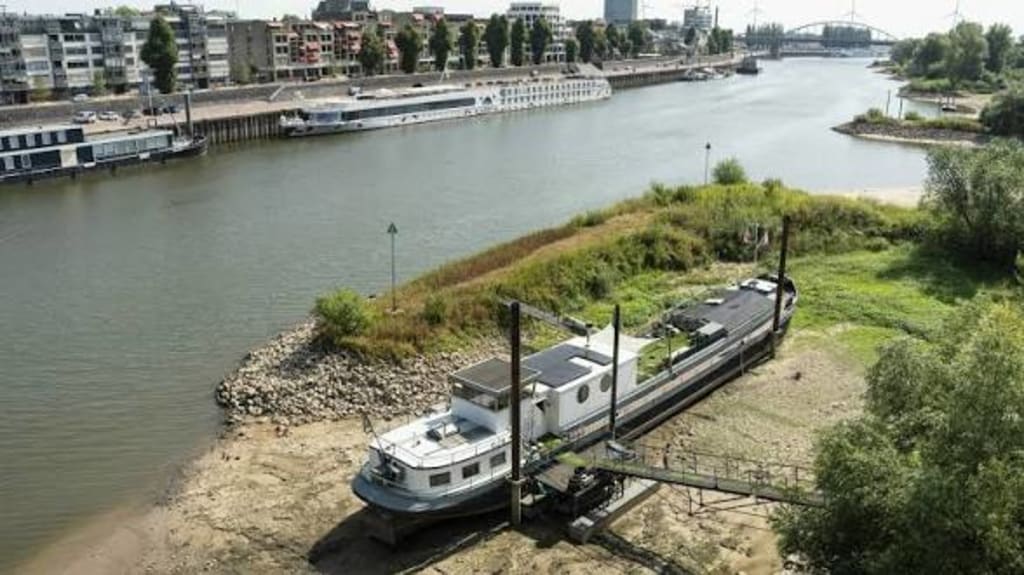
For centuries, houseboats have been an iconic part of life in the Netherlands. Moored along canals and rivers, these floating homes symbolize the country's close relationship with water. However, an increasingly severe challenge is threatening this unique lifestyle. Prolonged dry weather and falling river levels have left many Dutch houseboat owners literally "high and dry," with boats resting on muddy riverbeds instead of floating freely.
The situation highlights a broader environmental crisis affecting Europe, where rising temperatures, reduced rainfall, and recurring droughts are transforming waterways that have long supported transportation, agriculture, tourism, and residential life. As climate experts warn that extreme weather events are becoming more frequent, Dutch communities are facing difficult questions about adapting to a future with less predictable water supplies.
Historic Low Water Levels Raise Alarm
Several major rivers in the Netherlands, including branches connected to the Rhine and Meuse river systems, have experienced unusually low water levels during prolonged periods of hot and dry weather. Reduced rainfall in central and western Europe, combined with higher evaporation rates caused by extreme temperatures, has significantly decreased river flow.
For many houseboat owners, the consequences have been immediate. Boats designed to float year-round have become stranded as water levels dropped below safe operating depths. Some vessels have tilted at awkward angles, while others now sit partially supported by mud or riverbanks.
Authorities have monitored river conditions closely, issuing navigation warnings and encouraging residents to conserve water whenever possible.
Houseboat Residents Face Daily Challenges
Living on a houseboat depends on stable water conditions. When rivers become too shallow, residents encounter numerous practical problems that extend far beyond inconvenience.
Many owners have difficulty accessing their homes safely because gangways become unstable or too steep. Water, electricity, and sewage connections may require adjustment as boats shift position. In severe cases, residents worry about structural stress on their vessels as uneven support places additional pressure on hulls designed to remain buoyant.
Some homeowners have invested thousands of euros in maintenance and temporary support systems to protect their boats until water levels recover.
Residents say the emotional impact is equally significant. Many chose life on the water for its peaceful environment and close connection to nature. Watching familiar waterways shrink dramatically has become a visible reminder of changing climate conditions.
Climate Change Behind the Crisis
Scientists attribute the increasing frequency of low river levels largely to climate change. Rising global temperatures have intensified heatwaves across Europe, increasing evaporation from rivers, lakes, and reservoirs.
At the same time, rainfall patterns have become less predictable. Instead of regular, moderate precipitation that gradually replenishes rivers, some regions now experience long dry spells interrupted by short periods of intense rainfall. Heavy downpours often run quickly into drainage systems rather than soaking into the ground, providing limited long-term benefit for river systems.
Climate models suggest these conditions may become more common unless global greenhouse gas emissions are significantly reduced.
Impact Beyond Houseboats
The consequences of falling river levels extend well beyond floating homes. The Netherlands depends heavily on inland waterways for transportation and commerce.
Cargo vessels carrying fuel, agricultural products, construction materials, and manufactured goods often must reduce their loads when rivers become too shallow. Smaller cargo capacity means more trips are required, increasing transportation costs and slowing supply chains.
Agriculture also suffers as farmers face reduced water availability for irrigation during the hottest months of the year. Meanwhile, natural ecosystems experience stress as fish populations, wetlands, and aquatic plants struggle with warmer, shallower waters containing lower oxygen levels.
Tourism businesses that rely on recreational boating and river cruises have also reported disruptions during periods of exceptionally low water.
Government and Local Responses
Dutch water authorities are implementing various measures to manage the effects of drought. These include carefully controlling water distribution through locks, dams, and canals to maintain navigation where possible and protect drinking water supplies.
Officials are also encouraging water conservation among households, industries, and agricultural producers during extended dry periods.
Infrastructure investments are being considered to improve long-term resilience, including projects designed to store more freshwater during wetter seasons for use during droughts. Researchers are also studying innovative water management techniques that can help communities adapt to changing climate conditions.
However, experts acknowledge that engineering solutions alone cannot fully offset the broader impacts of climate change.
Communities Adapt to a New Reality
Many houseboat owners are beginning to rethink how they prepare for future summers. Some are installing adjustable mooring systems that can better accommodate fluctuating water levels. Others are reinforcing docks or upgrading utility connections to improve flexibility during extreme conditions.
Local community organizations have also increased cooperation, sharing information about river conditions, emergency support, and practical solutions for protecting floating homes.
Insurance providers are closely monitoring the growing risks associated with prolonged drought, which could eventually influence coverage and premiums for houseboat owners in vulnerable locations.
Lessons for Europe
The challenges facing Dutch houseboat communities reflect a wider trend across Europe. Rivers such as the Rhine, Danube, Loire, and Po have all experienced periods of exceptionally low water in recent years, affecting transportation, power generation, agriculture, and ecosystems.
These events demonstrate how climate change increasingly affects everyday life in unexpected ways. Infrastructure designed around historical weather patterns may no longer perform as intended under changing environmental conditions.
Governments throughout Europe are investing in climate adaptation strategies, recognizing that protecting communities will require both technological innovation and long-term environmental planning.
Looking Ahead
Weather forecasts suggest that future rainfall could temporarily improve river conditions, but experts caution that seasonal recovery does not eliminate the underlying trend toward more frequent droughts and heatwaves.
For Dutch houseboat owners, adapting to changing water levels may become a permanent part of life. While the Netherlands has long been recognized for its world-leading expertise in water management, the current situation illustrates that even the most experienced water nations face growing challenges in an era of climate change.
The sight of stranded houseboats resting on exposed riverbeds serves as a powerful symbol of how environmental changes are reshaping daily life. Protecting these unique communities will require continued investment, innovative water management, and global efforts to address climate change. As river levels continue to fluctuate, the experience of Dutch houseboat owners offers an important warning about the far-reaching consequences of a warming world.
About the Creator
Enjoyed the story? Support the Creator.
Subscribe for free to receive all their stories in your feed.
Comments
There are no comments for this story
Be the first to respond and start the conversation.