
Recent data demonstrates how deep well water can become hazardous.
In deep water wells, young carbon

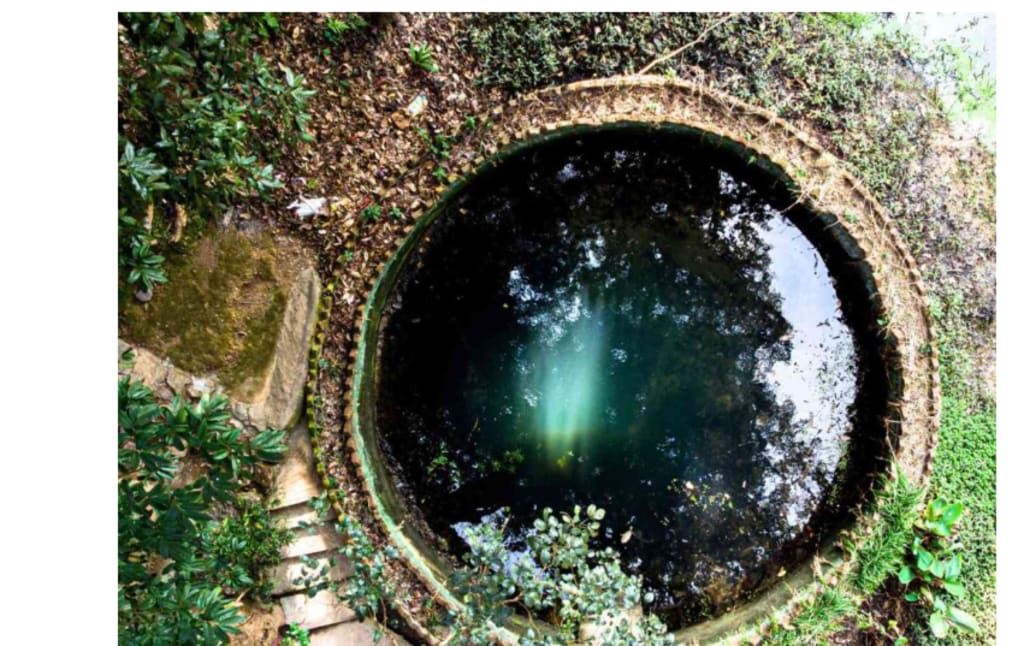
Outside of Dhaka, the water at the bottom of an 800-foot-deep well has been there since before the end of the ice age. The whole objective of drilling that deep is that everything that could contaminate it is farther away from the surface. The age of the food that the subterranean microorganisms were consuming had not been examined. The age of the water turned out to be significantly different from that figure.
In deep water wells, young carbon
A team led by environmental scientist Brian J. Mailloux of Barnard College sampled deep wells in the Araihazar region of Bangladesh, which is located outside of Dhaka. Finding out what the bacteria dwelling deep beneath were consuming was the straightforward objective.
During the Pleistocene, more than 12,000 years ago, those thick layers were deposited. The clay that sits atop them is equally old. You should drink water that has been locked off from the surface for millennia if you pump from those depths.
Dating the carbon within the microorganisms themselves was the difficulty. Since RNA is continually changing, the carbon it contains represents what a bacterium has recently consumed rather than what has been there in surrounding ancient dirt.
To date, each sample required about 5,300 litres of water to yield enough RNA. filtering throughout several days. cautious extraction. analysis in a national laboratory in the United States. This has not been tested on deep groundwater by many teams.
Surprising numbers
The deep aquifer is covered in sediment that is approximately 39,300 years old. It is sealed shut with clay that is almost 12,000 years old. Microbes' RNA should appear equally ancient if they were consuming the nearby sediment.
It didn't. Three deep wells yielded RNA that was between 5,200 and 6,300 years old. They are thousands of years younger than the rocks that contain them. Across the 13 wells the team studied, the organic carbon dissolved in the water was even younger, ranging from 280 to about 10,800 years. A portion of it had fingerprints on it.
Flow is rewritten by pumping
Due to decades of municipal pumping for a city of 23 million people, Dhaka's deep water table is currently more than 260 feet below the surface. Drawdown now reaches far into rural Araihazar, about 12 miles to the east.
The team contends that this force is pulling shallow water and the carbon it contains downward through layers of clay that were never meant to leak. The same group's earlier work explained how megacity pumping bypasses the natural protection of clay layers by creating quick paths through them that should prevent downward flow.
Methane joins in Methane in the deep ocean narrating the same tale in its own way. A radiocarbon fingerprint from the nuclear test era (1960s–1980s) was present in one sample. Hundreds of feet below the surface, atmospheric carbon from within living memory.
According to modelling, microorganisms obtain between 62 and 95 percent of their carbon from fresh water that is brought in from above rather than from old material. Mailloux and his colleagues said, "The data show that advected carbon is a significant fraction of microbial RNA." In other words, carbon from clays isn't the primary focus.
Why concerns about arsenic are growing
Underground reactive carbon is not a bit of trivia. It's fuel. More than 100 million people drink untreated groundwater worldwide, and microbes seem to exploit it in ways that can release arsenic stored in iron-rich sediments.
For many years, it was believed that deep wells in Bangladesh avoid this issue because reactive carbon is consumed by superficial bacteria before it can descend. The deep water was meant to be clean after drilling beyond those bacteria.
Recent research revealed that when clay layers are compressed by pumping, they can leak arsenic. A second channel is added by the new RNA data: young carbon that travels with the water and may eventually nourish bacteria.
Beyond the Bengal Basin Dhaka is not the only place where heavy pumping occurs. Wherever municipal demand lowers groundwater levels, such as in the Central Valley of California, the Mekong Delta, and portions of northern India, a similar downward force may be at work.
Similar over pumping patterns were linked to California's deep-aquifer arsenic in a 2018 investigation. The technique is now available for locations that have long relied on depth as a safety buffer, however it is unclear how broadly the Bangladesh conclusion applies elsewhere.
Deep water wells and carbon
The team demonstrated that bacteria were consuming young, mobile carbon that came from above in at least one heavily pumped deep water well. The wells give the impression that the deep is blocked off.
The worry for those who drink from these wells is whether this younger carbon, which is now penetrating deep levels, will eventually make safe water dangerous. In delta regions, utilities can keep an eye out for it. Regulators and drillers should reconsider what "deep enough" truly purchases and how
About the Creator
Enjoyed the story? Support the Creator.
Subscribe for free to receive all their stories in your feed.
Comments
There are no comments for this story
Be the first to respond and start the conversation.