
The AI Food Banner Epidemic Is At Kuching, Malaysia
From Kuching to Kuala Lumpur, hawkers are swapping real photos for machine-generated slop. Customers are voting with their feet—and the message is clear: show us what you actually cook, or we'll walk.
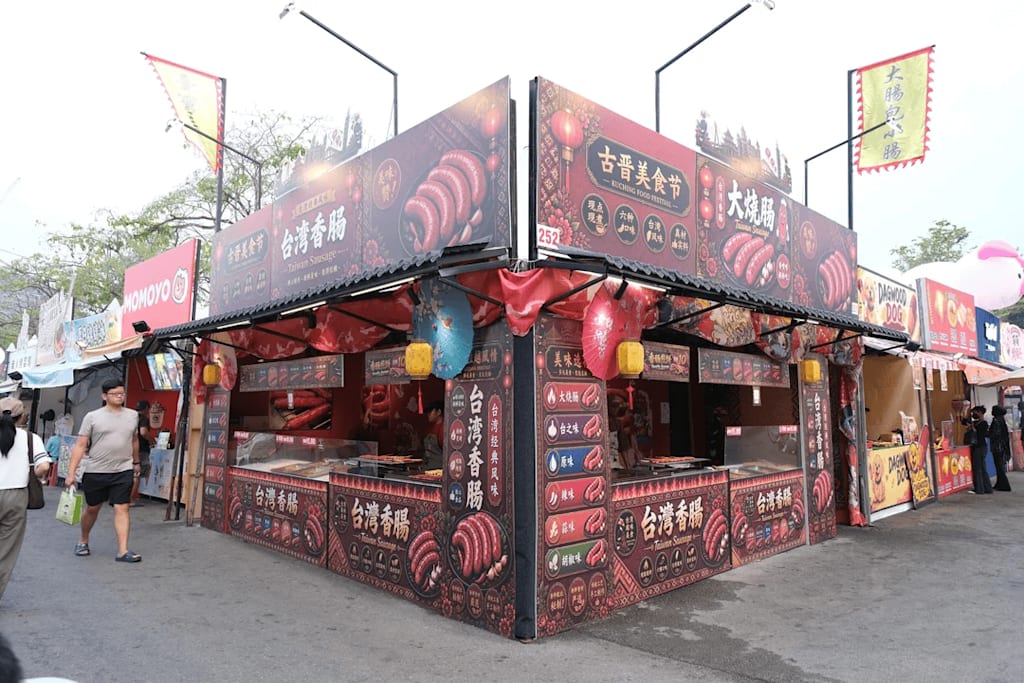
Kuching, 2026.
Saturday night, 7:00 PM. The food street lights flicker on. The air should smell of charcoal, garlic oil hitting a hot wok, peanut paste toasted until it gives off that deep nutty scent. Tonight, those smells are there, but they feel like background noise. Something sharper cuts through: the glossy, textureless, AI-generated food on the plastic banners hanging above every other stall.
Fried cheese sticks. The surface gleams like nail polish. A bowl of laksa—the red oil on top flows too smoothly, like a mousepad, not soup. Grilled squid tentacles dotted with black specks, evenly spaced, you can't tell if they're pepper or char or something the algorithm invented. Stare at it for three seconds and a trypophilia twitch hits before hunger does.
The stall owner flips whatever's in his pan. Metal spatula against iron plate, that clatter is real. But the thing on his banner and the thing in his hand—there's a gap there you can't unsee.
Someone took photos of this scene and posted them on r/Bolehland. The caption was restrained: "At least 80% of stalls proudly use AI-generated images. Genuinely depressing to see."
First comment, 80 upvotes: "The generated pics look disgusting. I look at it also don't feel like eating already."
Not a debate about technology. Not about graphic designers losing work. Just this: you're selling food, and you made a picture that kills appetite.
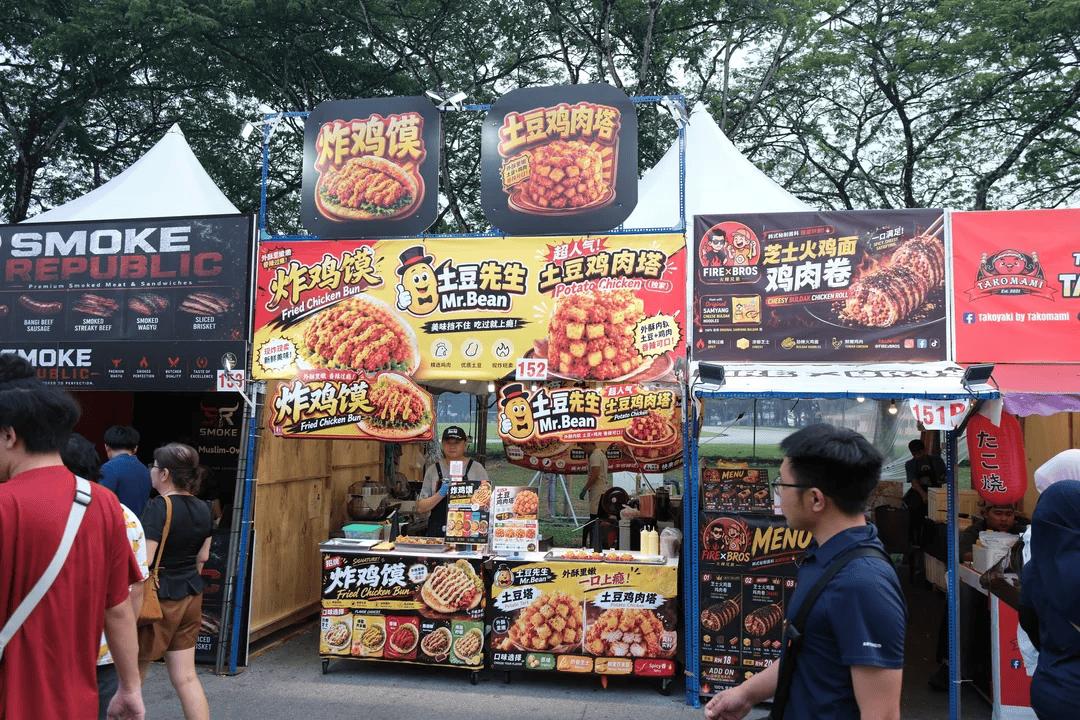
Why Not Just Take a Photo?
A stall owner selling noodles. Pick up a phone, snap the bowl—thirty seconds. Drag it into a free editing app, bump the brightness and warmth—one minute. Print it, pin it up. That banner tells every passerby: I made this. It looks like this. When you get it, this is what you'll see.
In Kuching 2026, that didn't happen for 80% of stalls.
Instead: images that are neither photograph nor illustration—smooth, out-of-focus, oversaturated. Noodles that look like a down-sampled approximation of the word "noodle" after three rounds of compression. The part of your brain that registers appetite sees this and hits the brakes.
A commenter wrote: "Same in SG. The problem is the AI images make food look gross—some are even trypophobia-inducing."
Another: "They didn't even use good AI."
The Trust Problem
At a food festival, the banner is your handshake.
If you can't be bothered to photograph your own dish, what else can't you be bothered to do? Taste the stock? Change the frying oil? Wash the herbs twice?
One user put it directly: "If they have no problem taking shortcuts making the graphic design, they'll also have no problem taking shortcuts making the food."
Another said the same thing from the opposite angle: "I'll assume you don't have much confidence in your food to begin with."
The thread ran through multiple examples. Someone mentioned the Bon Odori at Lalaport in KL—same problem, same reaction: "I only bought from stalls that actually took pictures of their food, and they were unironically the best ones."
It's a simple consumer heuristic: a vendor who shows you what they actually sell is a vendor who believes in what they actually sell.
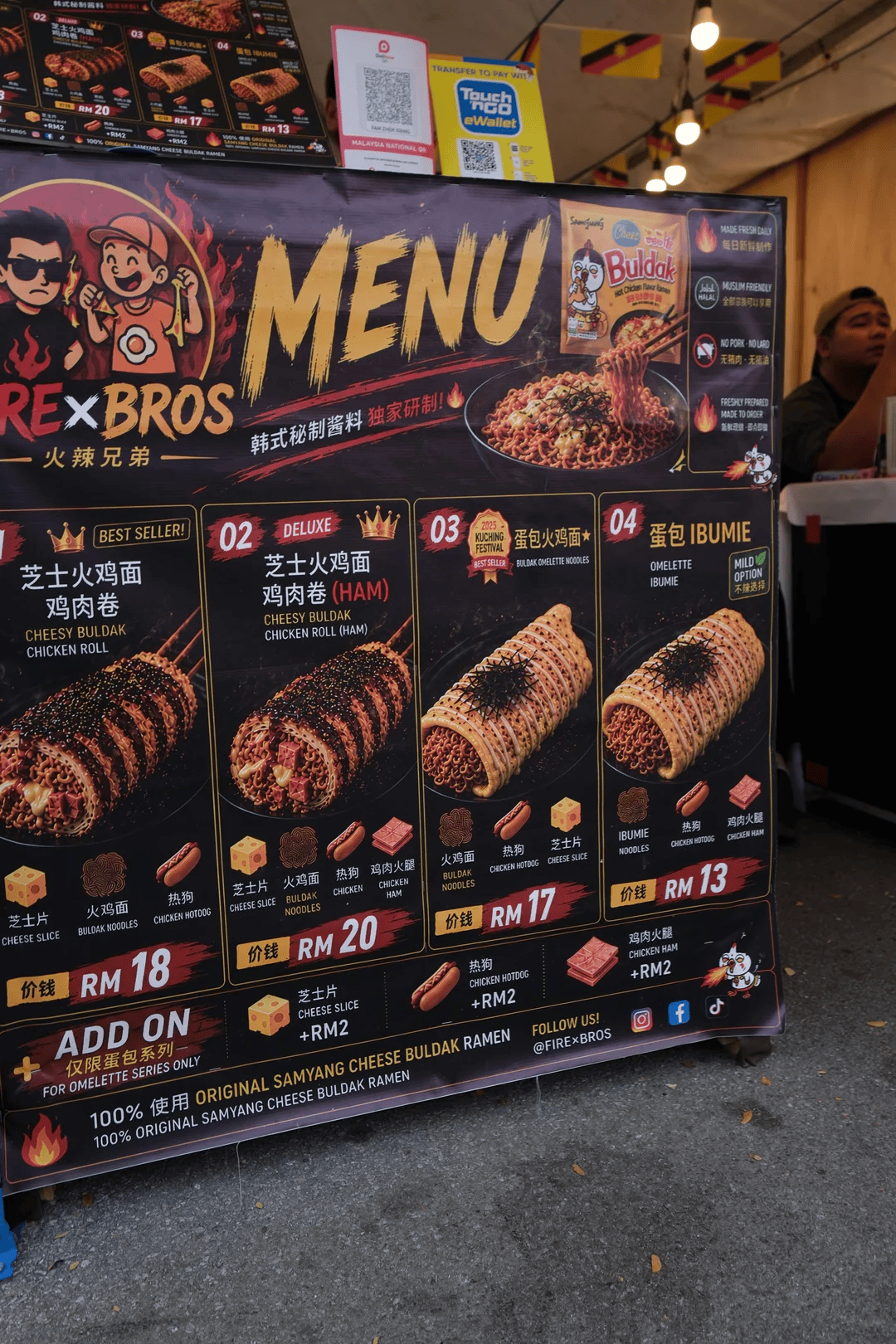
The "Cost-Saving" Argument—and Why It Fails
A few comments defended the practice: temporary event, high stall rental, hiring a designer is expensive. AI is cheap and fast.
That argument is not stupid. It's incomplete.
Because right now, every person at that festival is carrying a phone with a camera good enough to capture a grain of rice. Photography is effectively free. The problem isn't cost. The problem is priority.
One commenter remembered: "My mom had a stall years ago and we used photos of actual food."
Another asked: "Seriously though, where did the 'owner/mascot person standing in front of their logo/food' artform go."
The AI is not replacing a designer. It's replacing any attempt at all.
What Gets Lost
A banner with a real photo—even a bad one, a phone shot under fluorescent lights—says something. It says: someone stood here, cooked this, looked at it, and decided it was worth showing you.
An AI banner says: I typed some words and this came out.
The difference is not about aesthetics. It's about whether someone cared.
One comment: "These days I feel happy when I see simple food menus made by Words/Powerpoint. Feels authentic."
That's where we are. A PowerPoint slide feels like honesty.
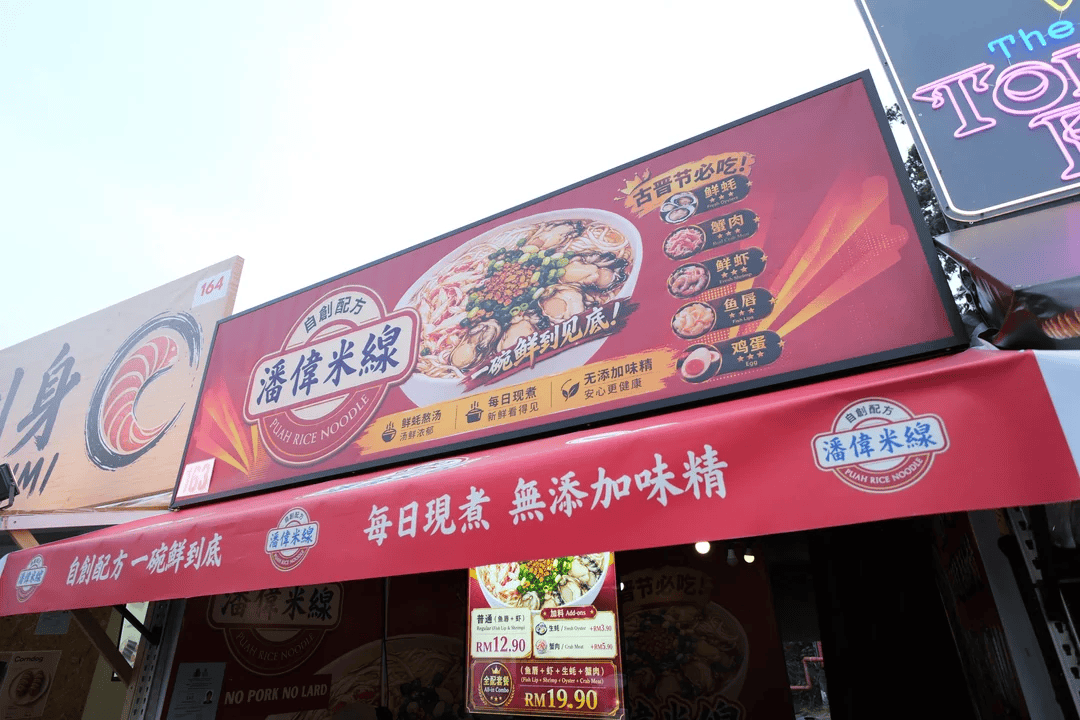
What People Actually Did
The thread had a practical conclusion, repeated across comments:
"I avoided stalls that had AI."
"If you're using AI pics, I'm not buying."
"I would never support a shop with AI slop signboard."
Not a boycott. Just a private decision. They walked past the glossy banners and bought from the stalls with real photos or handwritten signs.
The Last Stall of the Night
Near the end of the festival, a man stood in front of one of those AI banners for a long moment. He looked at the image—the sauce glistening wrong, the shadows from two different light sources, the squid rings repeating in a pattern. Then he looked down at the actual food in the case. He turned and walked away.
He didn't say anything. He didn't need to.
The banner stayed up. It showed something that never existed. No one bought it, but it was there, glowing under the streetlight, long after the last customer left.
About the Creator
Jin
Writer of reamstories
https://reamstories.com/jin
Enjoyed the story? Support the Creator.
Subscribe for free to receive all their stories in your feed. You could also become a paid subscriber, letting them know you appreciate their work.
Comments
There are no comments for this story
Be the first to respond and start the conversation.