Laughter
Fast Food Folly: A Hilarious Exchange Between Two Schoolboys on the Temptations and Tribulations of Fast Food
In the bustling cafeteria of Maplewood Middle School, Billy and Tommy, two mischievous schoolboys with a penchant for pranks and a love for lunchtime, found themselves embroiled in a spirited debate about the joys and perils of fast food.
By Amit Kumar Lahiri3 years ago in Humor
The Motivation Muddle: A Hilarious Exchange Between Two Old Friends on the Quirks of Motivational Speeches
In a quaint tearoom nestled in the heart of town, Mildred and Gladys, two spirited old friends with a penchant for tea and tales, found themselves engrossed in a lively discussion about the curious world of motivational speeches.
By Amit Kumar Lahiri3 years ago in Humor
Bugs Bunny: A Timeless Icon
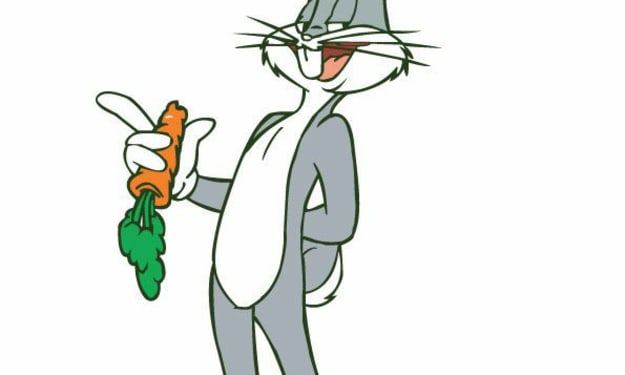
In the realm of animation history, few characters rival the popularity of Bugs Bunny. Created by Charles Thorson and brought to life by Ben "Bugs" Hardaway, Bugs Bunny made his debut in "A Wild Hare" on July 27, 1940. With his clever humor, quick wit, and lovable charm, Bugs Bunny has captured the hearts of audiences worldwide. From his humble beginnings in "A Wild Hare" to his current status as a global icon, Bugs Bunny's appeal spans generations. Let us explore the multifaceted persona of Bugs Bunny and celebrate the enduring magic that has made him a beloved figure for generations. Iconic Rabbit: Bugs Bunny stands as an enduring symbol of animation, his silhouette instantly recognizable to generations of audiences worldwide. After his debut in the 1940 cartoon "A Wild Hare," he quickly became the flagship character of the Looney Tunes franchise. With his iconic catchphrase, "What's up, Doc?" and his irreverent charm, Bugs Bunny has entertained generations of fans with his clever antics and timeless humor. His popularity transcends time, as he continues to capture the hearts of children and adults alike with his timeless antics. Personality: Bugs Bunny's personality is as distinct as his appearance. With a laid-back attitude and a quick wit, he effortlessly navigates the chaotic world of Looney Tunes. His cool demeanor allows him to outsmart his foes with ease, often turning the tables on them with a clever quip or a well-timed prank. Despite his mischievous nature, Bugs Bunny is ultimately a good-hearted character, always ready to lend a helping hand to those in need. Catchphrase: "What's up, Doc?" It's a simple phrase, but one that has become synonymous with Bugs Bunny himself. From his first appearance on screen, this catchphrase has been a staple of Bugs' dialogue, serving as both a greeting and a playful taunt to his adversaries. With his trademark Brooklyn accent and casual demeanor, Bugs Bunny effortlessly delivers this iconic line, cementing its place in the annals of pop culture history. Whether he's facing off against Elmer Fudd or outsmarting Yosemite Sam, Bugs Bunny's catchphrase remains a timeless reminder of his enduring charm. Antagonists: Throughout his storied career, Bugs Bunny has faced no shortage of adversaries. From the bumbling Elmer Fudd to the fiery Yosemite Sam, these characters serve as foils to Bugs' quick wit and cunning intellect. Despite their best efforts, however, Bugs always manages to come out on top, outsmarting his foes with ease. Whether he's tricking them into elaborate schemes or simply outmaneuvering them with sheer wit, Bugs Bunny proves time and time again that he is more than a match for any adversary. Physical Traits: Bugs Bunny's appearance is instantly recognizable to fans around the world. With his grey fur, white chest, and distinctive buck teeth, he cuts a striking figure on screen. Often seen munching on a carrot, Bugs Bunny's physical traits are as much a part of his character as his quick wit and charming personality. Despite his cartoonish appearance, Bugs Bunny exudes a sense of charm and charisma that endears him to audiences of all ages. Debut: Bugs Bunny burst onto the scene in the 1940 cartoon "A Wild Hare," directed by Tex Avery. From his very first appearance, he captivated audiences with his irreverent humor and indomitable spirit. With his laid-back attitude and quick wit, Bugs Bunny quickly became a household name, solidifying his status as one of the most iconic characters in animation history. Since then, he has appeared in countless cartoons, films, and TV shows, delighting audiences with his timeless antics and endearing charm. Popularity: Bugs Bunny's popularity knows no bounds. From his humble beginnings in the golden age of animation to his status as a global icon, he has captured the hearts of millions around the world. With his timeless humor and enduring charm, Bugs Bunny continues to entertain audiences of all ages, transcending generations and cultural boundaries. Whether he's outsmarting his adversaries or charming his way into the hearts of fans, Bugs Bunny remains a beloved figure in the world of animation, his legacy destined to endure for years to come. In conclusion, Bugs Bunny's legacy is a testament to the enduring power of animation to captivate and inspire audiences around the world. As we celebrate his timeless charm and irreverent wit, let us cherish the memories of laughter and joy he has brought into our lives. What's up, Doc? Just the enduring magic of Bugs Bunny, living on forever in our hearts and imaginations.
By Cool Searches 3 years ago in Humor
The Job Hunt Jamboree: A Hilarious Exchange Between Two Old-Timers on Navigating the Technical Skill Maze
In a cozy corner of the local diner, Bert and Ed, two seasoned gentlemen with a penchant for pennywhistles and pondering life's puzzles, found themselves embroiled in a spirited debate about the perplexing world of job hunting in the digital age.
By Amit Kumar Lahiri3 years ago in Humor
Whispers of the heart
In the quaint Harmony Ville, where the air was filled with the sweet scent of blooming flowers, lived two individuals destined for a romance that would echo through the ages. Meet Clara, an effervescent florist with a penchant for poetry, and Jake, A quirky inventor with a heart full of dreams.
By Jessica Gordon 3 years ago in Humor
The Top 10 Belly Button Adventures You Never Knew Existed!
Ah, the belly button. That enigmatic tiny dimple that, up until now, none of us has really paid any attention to! With these ten belly button experiences that will make you chuckle, scratch your head, and possibly feel a bit sick, get ready to be astounded by the mysteries of the navel. Now let's get started!
By Richard Weber3 years ago in Humor
The science of laughter
Isn't it strange that a good joke can make us bare our teeth, mess with our breathing, make us weak and sore in some places, and sometimes even bring us to tears? Basically, why does laughter happen? When you laugh, the muscles in your belly really get a workout which makesIsn't it peculiar that when we find something hilarious, we tend to bare our teeth, alter our breathing, feel weak in spots, and sometimes even tear up? In other words, why do we engage in the strange activity of laughing? When you chuckle, your stomach muscles contract quickly. This changes how you breathe, increases chest pressure, and forces air out, which can sound like a snort, wheeze, or other noises. Since you're working your stomach muscles way harder than when you're just chatting, they might begin to get sore. Laughter also messes with your ability to control your muscles, which is why you might feel shaky on your feet. Now, where does this odd behavior of laughter come from? Well, there's no way to find ancient traces of laughter to know for sure how it started or why, but we've got some guesses. It’s key to note that humans aren't the only ones who laugh. Research from the late '90s showed us that rats kind of chuckle when they’re tickled, using special recorders that can catch ultrasonic sounds. Since then, scientists have discovered at least 65 species, most of them mammals and a few birds, that make noise when they’re goofing around with each other. Our closest animal relatives do the same. Scientists observed how primates play and get tickled, and they became more sure that the common ancestor of all great apes had a form of laughter. They suspect that laughter might have started as a way for them to show they were just playing, not trying to start trouble. But humans don’t just laugh for play—we do it when we're delighted, stunned, mixed-up, or even on edge. Some experts think laughter became more than a play-signal after we branched off from other apes, got bigger social circles, and our ways of talking got more complex. They think that we started to use laughter in our speech to share unspoken messages and feelings in a range of situations, and that’s one reason why laughter can spread from person to person—it's like being asked to join in on the fun. Just listening to someone laugh can turn on special parts of your brain, setting you up to grin or start laughing, too. In a study where people watched something funny, folks laughed more and longer when someone else was around, even if they felt the same level of funniness on their own. Our laughter also tends to be louder than the play sounds from other creatures. Some researchers think that’s because our laughter is not just for talking to one person but for signaling to a whole group. Studies have shown that people can understand the difference between the laughter of pals and just buddies by hearing them, even if they are as young as five months old. We can also spot the difference between a real laugh and a fake one just by the sound. Fake giggles use a different part of our brain similar to speaking, while sincere chuckles come from deeper parts that other critters use too. Laughing is not just a social thing; it’s also thought to be good for you. Laughter triggers the brain to release happy chemicals and reduce stress ones. Some studies even say that those who laugh more handle stress better and have nicer heart health. Laughter is something all humans do—even babies can guffaw before they can talk. Whether it's the top cure depends on what's wrong, but as something that makes life more enjoyable, gets people closer, and might even help your wellbeing, laughing is a win. Just be careful if you've got a broken rib or something—that’s when laughing is definitely not cool. Your breathing pattern go all funny, ramps up the pressure in your chest, and forces air out as a loud snort, wheeze or some kind of sound. Because your belly muscles are working overtime, they might get sore. Plus, laughing means your body isn't as good at keeping your muscles tight, which can make you feel wobbly. Now, where did laughter come from? We can't dig up any old laughs, so it's tricky to say how or why laughter started. But, there are some guesses from experts. Humans aren't the only ones who chuckle or something like it. Back in the late 90s, some clever people with high-pitched sound recorders found out rats make giggle-like noises when tickled. More digging showed that plenty of creatures, mostly land animals and some birds, make noises when they play together. Not surprising, many of them are the animals most like us. Looking at how primates (our animal cousins) laugh when they play and get tickled made scientists think our shared ancient ancestor probably had a version of laughter. Other apes also make laugh-like sounds as a way to show they're just playing, not fighting. Humans, though, don't just laugh when messing around – we also laugh when something's funny, or we're caught off guard, confused, or even feeling shy. Some whiz-kids think that after we split from other apes and started hanging out in big groups and chatting more, laughter got more uses. It became part of talking, giving extra meaning and expressing feelings in different situations, making us want to join in on the fun. Hearing just a snippet of someone laughing can get your brain to make you grin or laugh, too. In research, folks who checked out a funny clip laughed more with someone else around, even if they felt the same level of funny either way. Human laughter is way louder than most animals' play sounds. Some thinkers believe it's because our laughs aren't just for one-on-one; they're a shout-out to everyone nearby. Studies showed people worldwide, even little kids just 5 months old, can tell the difference between friends and folks who just met from short bursts of their laughter. Also, we know if a laugh is for real or if someone's faking it just by the sound. Fake laughter comes from the part of the brain that helps us talk. On the other hand, a real belly laugh comes from deeper parts of the brain that lots of animals use for their sounds. Laughing isn't just a way to buddy up; it's also thought to be good for you. Laughing tells your brain to let out some feel-good stuff and puts stress stuff like cortisol on the back burner. Some studies even say that people who laugh a lot handle stress better and might have hearts that work better. Laughter is something we all do naturally. Even babies laugh before they can talk. Whether it's the best medicine or not, a good laugh can make the tough parts of life a bit easier to handle, bring us closer together, and even maybe help us stay healthy. Unless you've busted a rib or something – then laughing isn't too great.
By Ajda Tomšič3 years ago in Humor
Pork Paradox: Top 10 Reasons Pigs Will Gradually Take Over Earth
A surprising candidate appears as a potential global dominator in the busy web of Earth's ecosystems: the common pig. Pigs are covertly planning a takeover that extends beyond their barnyard limits, while being frequently disregarded for their household duties or as delicious food. As we reveal the top 10 reasons why pigs are assuming the role of unwitting planet overlords, get ready to be shocked.
By Richard Weber3 years ago in Humor