
Why Tight Hips and Pilates Often Go Hand in Hand?
Improving Hip Mobility

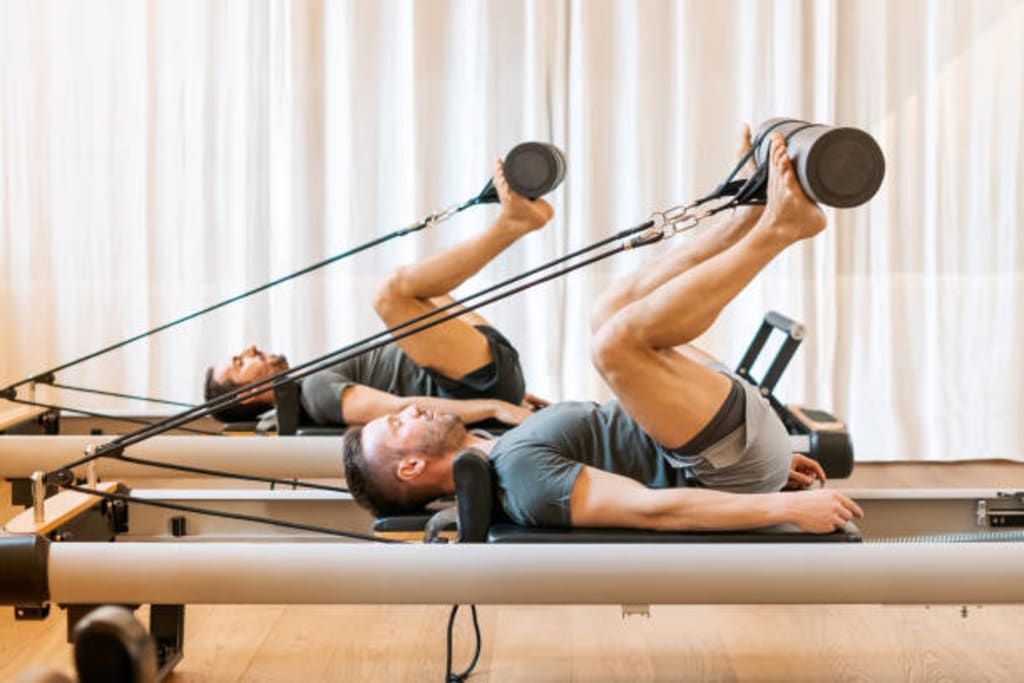
Tight hips are something many people deal with without even noticing it at first. Long hours at a desk, driving, limited movement, stress, and even certain workouts can leave the hip area feeling stiff and uncomfortable. That is one reason why many people turn to Pilates. It helps the body move better, supports posture, and gives attention to muscles that often get ignored in daily life.
For people starting Pilates classes, one of the first things they notice is how much the hips are involved in nearly every movement. Stretching, balance work, controlled leg exercises, and core training all connect back to the hips. That connection is why tight hips and Pilates are often discussed together.
What Causes Tight Hips?
The hips are one of the busiest joints in the body. They help with walking, sitting, bending, lifting, and standing. When certain muscles around the hips become overworked or underused, tightness starts to build.
A few common causes include:
- Sitting for long periods
- Poor posture
- Limited stretching
- High-impact training without recovery
- Weak core muscles
- Stress and body tension
Many office workers notice hip stiffness after sitting all day. Runners and gym-goers may also feel tightness from repetitive movement patterns. Even people who are generally active can develop restricted hips if their body lacks balance and mobility work.
Why Pilates Focuses So Much on the Hips?
Pilates is built around controlled movement and body awareness. Instead of rushing through exercises, Pilates asks the body to move with care and proper alignment. Because the hips connect the upper and lower body, they play a major role in almost every Pilates session.
Pilates movements often target:
- Hip flexors
- Glutes
- Pelvic muscles
- Lower back muscles
- Deep core muscles
When these areas work together properly, movement feels smoother and more comfortable.
In many Pilates exercises, the hips are gently stretched while nearby muscles become stronger. This combination helps reduce stiffness over time rather than simply giving short-term relief.
The Link Between Sitting and Tight Hip Flexors
One of the biggest reasons people develop tight hips is prolonged sitting. When sitting for hours, the hip flexors stay in a shortened position. Over time, the muscles begin adapting to that posture.
This can lead to:
- Lower back discomfort
- Poor posture
- Reduced flexibility
- Trouble standing upright
- Limited movement during exercise
Pilates helps by encouraging the hips to move through a fuller range of motion. Exercises like leg circles, bridges, and lunges gently wake up muscles that may have become stiff from daily habits.
Many people are surprised by how challenging small Pilates movements feel at first. That usually happens because the body has been compensating for weak or tight areas for years.
How Pilates Helps Improve Hip Mobility
Mobility is different from flexibility. Flexibility is about muscle length, while mobility is about controlled movement through a joint’s full range.
Pilates works on both
Instead of forcing deep stretches, Pilates teaches the body to move safely and steadily. This approach is often easier on the joints and feels less intimidating for beginners.
Better Muscle Balance
Tight hips are not always caused by muscles being “too short.” Sometimes nearby muscles are weak and unable to support proper movement.
Pilates helps strengthen:
- Glutes
- Abdominals
- Inner thighs
- Pelvic stabilisers
As these muscles become stronger, the hips often feel less tense because the body is no longer overworking one area.
Improved Posture
Poor posture changes the way the hips sit and move. If the pelvis tilts forward too much, the hip flexors can become tight and uncomfortable.
Pilates encourages better spinal alignment and pelvic control. Over time, standing and walking may feel more natural and less strained.
Gentler Movement for Recovery
Some workouts leave the hips feeling tighter, especially if recovery is ignored. Pilates offers a slower and more controlled style of training that gives the body a chance to reset.
That is why many athletes include Pilates alongside running, cycling, weight training, or team sports.
Signs Your Hips May Be Tight
Many people live with hip tightness without recognising the signs right away.
Some common symptoms include:
- Stiffness after sitting
- Lower back aches
- Trouble squatting deeply
- Tightness while walking upstairs
- Reduced balance
- Feeling uneven during workouts
You may also notice discomfort during simple movements like bending to tie your shoes or getting out of the car.
Pilates instructors often pick up on these movement patterns quickly because Pilates places strong focus on alignment and control.
Common Pilates Exercises That Help Tight Hips
Pilates includes many exercises that gently support hip mobility and strength. A few popular examples include:
Pelvic Tilts
This simple movement helps loosen tension in the lower back and pelvis while teaching better control through the core.
Glute Bridges
Bridges strengthen the glutes and open the front of the hips at the same time. They are especially useful for people who sit all day.
Leg Circles
Leg circles improve hip joint mobility and help the body move with control rather than stiffness.
Spine Stretch Forward
Although this exercise focuses on the spine and hamstrings, it also helps release tension through the hips and pelvis.
Side Leg Series
These movements strengthen the outer hips and improve pelvic stability, which can help reduce strain during daily activities.
Real-Life Example: Office Workers and Hip Tightness
A common example is someone working a desk job five days a week. They sit through meetings, drive home, then spend the evening relaxing on the couch. Even if they go to the gym occasionally, the hips may still feel stiff because the body spends so many hours folded forward.
After starting Pilates, many people notice small changes first:
- Standing taller
- Walking more comfortably
- Less stiffness in the mornings
- Easier movement during workouts
These improvements usually come from better movement habits rather than aggressive stretching.
Why Consistency Matters
One Pilates session can feel good, but regular practice is what brings lasting changes. Tight hips usually develop over time, so the body also needs time to adjust.
Even two or three sessions per week can make a noticeable difference.
Short daily habits also help, such as:
- Standing up regularly during work
- Gentle stretching
- Walking breaks
- Improving sitting posture
- Moving more throughout the day
Pilates works best when it becomes part of a balanced routine rather than a quick fix.
Pilates and Lower Back Relief
The hips and lower back are closely connected. When the hips become stiff, the lower back often works harder to compensate.
This is why many people with tight hips also complain about back discomfort.
Pilates focuses heavily on core strength and pelvic stability, which may help reduce unnecessary pressure on the lower back. As movement improves through the hips, the back often feels less strained during daily tasks.
Is Pilates Suitable for Beginners With Tight Hips?
Yes, Pilates is often suitable for beginners because movements can be adjusted to different fitness levels. Many exercises are low-impact and controlled, making them easier on the joints.
A good instructor will offer options based on flexibility, strength, and mobility. Over time, movements that once felt difficult usually become smoother and more comfortable.
The goal is not to force the body into extreme positions. Instead, Pilates encourages steady progress and better movement quality.
Conclusion
Tight hips have become increasingly common due to modern lifestyles, long hours of sitting, and repetitive movement habits. Pilates works well for this issue because it combines strength, control, posture, and mobility in a balanced way.
Rather than focusing only on stretching, Pilates teaches the body how to move properly again. That is why many people notice not only improved flexibility but also better posture, smoother movement, and less daily discomfort.
Whether someone spends all day at a desk, trains regularly at the gym, or simply wants to move more comfortably, Pilates can be a helpful way to support healthier hips and overall body movement.
FAQs
1. Can Pilates help loosen tight hips?
Yes, Pilates includes controlled stretches and strengthening exercises that support hip mobility. Many people notice reduced stiffness after regular sessions.
2. Why do my hips feel tight after sitting all day?
Sitting keeps the hip flexors in a shortened position for long periods. Over time, this can create stiffness and limit comfortable movement.
3. Is Pilates better than stretching for tight hips?
Pilates combines stretching with strength and posture work. This helps the body move more naturally instead of only focusing on flexibility.
4. How long does it take to improve tight hips with Pilates?
Many people feel small improvements within a few weeks. Regular sessions and consistent movement habits usually bring better long-term results.
5. Can beginners do Pilates for hip mobility?
Yes, Pilates is suitable for beginners. Exercises can be adjusted based on fitness level, flexibility, and comfort.
About the Creator
Maartin Hackman
Maartin Hackman, with 20+ years in clinical exercise and Pilates, champions MD Health's exclusive methods. His mission: help individuals overcome health challenges and live fully through personalized care.
Enjoyed the story? Support the Creator.
Subscribe for free to receive all their stories in your feed.
Comments
There are no comments for this story
Be the first to respond and start the conversation.