
Why The Women I Write Become Monsters
How writing feminist horror awoke the ancestors.
There are several canon events in a woman's life. They leave a bloody breadcrumb trail for the generations to follow - inevitable, often cruel.
I could spend months referencing the nitty‑gritty of first periods, the evolution of our nipples, or even that bizarre electric shock feeling when you shave your legs for the first time. These are… mild.
The one I'm going to shine a spotlight on is the one we all collectively carry and rarely reveal. Why? Because since birth, we've been conditioned to be silent. But silent women rarely make history, so here I am.
Tighten your bra straps. Hitch up the granny panties, ladies. Here it goes.
It's the moment you realize how short your childhood really was compared to our male counterparts.
When I was seven years old, getting into general fuckery around my home in England with the neighborhood kids, life was simple. For my young Gen Zs and older Gen Alphas: it was common for us millennials to simply vacate our homes with no plans, no goals, just the opportunity to get into mischief. It was ritual to knock on a neighbor's door and ask if their kid could come out - their mother pretending to be annoyed but secretly relieved her child had friends.
We'd ride off on our bikes of varying expense, maybe someone broke out the roller skates, and we went forth until the street lamps came on.
It was on one of these days that a 23‑year‑old man groped me.
I was an early bloomer, I suppose. Menstruating by eleven, a comfortably plump A‑cup by the end of grade six. But at this point, I was every part a child.
I remember it happening like it was yesterday - not twenty‑six years ago. I stood with my elbows propped on my neighbor's brick wall as we chatted about the light‑up wheels on our mini scooters, probably on the precipice of our Harry Potter fandom, when this man walked over. Cigarette dangling from his thin, chapped lips. Without a word, he crouched beside me, clasped my buttocks in both hands, then rose and walked away like it was nothing.
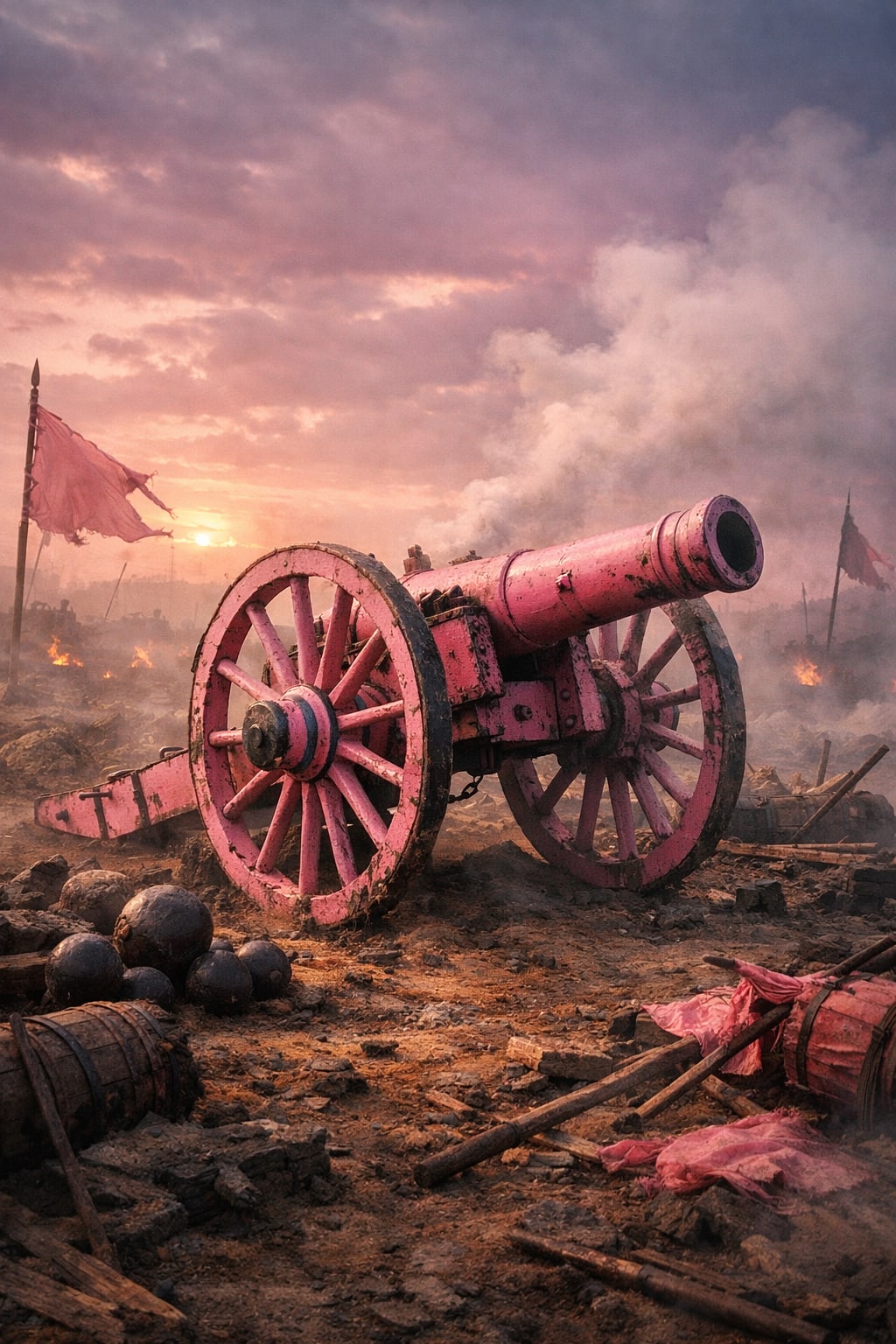
We initially laughed - the kind of laugh that comes from innocence evaporating too fast to understand what's happening. And then, somewhere deep in my mind, a cannon fired. A psychological rupture. My childhood cracked.
From that moment on, I was aware of every look I hadn't noticed before. Every inch of my clothing. Every adult man in my periphery.
And I realized something no boy in my class ever had to: that the playground was not neutral ground. That my body was no longer just mine. That childhood, for girls, ends the moment a man decides it does.
I accepted this reality as I know so many other women do. I accepted it for so fucking long. It was my burden to bear! I was a woman, I was divine, I was an unsolvable puzzle to men, I was part of the population that held some mythic reverence that overthrew racism, religious bias, or discrimination. We were women. Men were the apex predators and we did not share the title. We were prey.
It was, in my naivety, relatively easy to laugh along with the sexist jokes. The manosphere hadn't churned out the red pills yet, and in comparison to the world we live in today, the incel female hatred wasn't nearly so prevalent.
Then two things happened back to back. I had a daughter, and I found out I was AuDHD.
Having a child - in any way it happens, naturally, IVF, adoption, surrogacy, or any other way a child can come into your life - changes a person. It isn't exclusive to women; I know this based on the father my husband is. The millennial dads are setting a new standard, and I know, just like my own, his brain chemistry changed the moment he cradled our slimy, pink‑and‑purple little baby.
As I nursed my daughter, her face so perfect, like I was holding a beautifully crafted doll, I would see her future flicker before my eyes. Her future was my own memories, just with a different face.
Would a man grope her in her childhood? Would a boy hurt her physically only to be told it's because he liked her? Would she be looked at like some theatrical meal by men who believed her beauty was there just for them? It was sickening - and even more sickening as she grew and I saw men watch her from infancy to where she is now in a way that sent a shockwave through my body and awoke a deep ancestral rage.
A door opened within me, as if I entered a museum in a feminine realm. One that is open to all of us. One that, at some point, we all walk through and see the female history - the oppression, the neglect, the raw hatred of the very people who were supposed to protect us. Pictures lined infinite walls: images of women screaming out in childbirth while men smoked cigars, fine oil paintings of Viking women slaughtering beside their husbands only to be written out of Western history. I saw Indigenous women beaten and raped. I saw girls in the arms of men. I saw the leaked nudes, the domestic violence - and in my core, I felt the scream of every version of myself coming together.
I was a different breed now, a mother to a daughter, and I would do whatever was necessary to protect her. If that meant declaring myself a feminist, if it meant absorbing the stares when I refused to let a man cut off my voice mid‑sentence, then I would.
The rage was already there when, at 30, after a lifetime of struggles, abuse, and trauma, I was finally diagnosed with autism and ADHD. This was no fault of my own. Of course I looked for help. Of course I begged and pleaded and explained until my throat was raw. But we weren't studied. We were not allowed to have a reason for needing additional support in school or work. We were girls - to be seen and not heard - and because of this neglect, this failure to do their jobs, the doctors in a patriarchal system are the ones I blame for every act of sexual abuse I didn't see coming, every academic failure, every black eye, every beating, every time I didn't know I could say no.
It was around this time I began to write. I'd always wanted to be a writer. It's something I thought about daily since I can remember. I'd never been medicated though, so often stories would come out of me in a fever dream only to slowly dissipate into the internet ether or be doomed to exist in some forgotten notebook. But now I was armed with an alarming arsenal of stimulants, and I was so fucking angry I may as well have become a thing of nightmares.
I've always loved horror - something I'm learning is relatively normal for neurodivergent people. As I navigated this new version of myself, the days held moments I wouldn't have noticed before. The certain nuances of communication I hadn't been able to grasp. I found stories building up within me.
I write what is called feminist horror - or pink horror for the hip young ones in the crowd.
Sometimes I write exaggerated violence or supernatural reckonings with a splash of psychological dread… but a lot of the time, I write moments that existed in my life.
I replicate my memories. I embellish only the surroundings, and I put to paper a trauma dump of my existence.
I recently finished a novella - one which no traditional publisher wants. It could be the content, or maybe I'm just a bad writer. Who knows. But I've been publishing online a chapter at a time and found a glimmer of mediocre success that I'm proud of.
The story is titled The Devouring Mothers. I know, right? Absolutely bomb name for a feminist horror novella.
The story follows a young woman in Canada circa 1901 - her oppression, her mistreatment - all of which was based on very real historical treatment of women.
The only parts of the story that are fiction are her transformation into something ghoulish and hungry, but every single moment leading up to it is based on a reality that still exists today.
I watched my husband read it, chapter by chapter, the look of exhaustion deepening with every word - and to my surprise, he nailed it. He looked up at me and said:
"The most horrific part of it is that it's still relevant today."
I won't lie - I don't think I've ever been more attracted to him, my pink‑pill‑taking hubby.
He asked me why I made women so gruesome in my stories. Why I abandoned beauty standards. Why I let them mutate and evolve into something so horrific.
The same reason Sofia Isella covers herself in filth before performing banger after feminist banger on stage.
Because I reject the patriarchy and all it's made me out to be. I want men to be disgusted by me and the characters I write, because then they are forced to hear the lyrics and read the words. They aren't influenced by beauty, and they feel the entire brute, violent force of the truth.
We are horrifying, and it's only a matter of time 'til we're all the stuff of nightmares.
About the Creator
Enjoyed the story? Support the Creator.
Subscribe for free to receive all their stories in your feed.
Comments
There are no comments for this story
Be the first to respond and start the conversation.