
Why Mold Testing and Remediation Shouldn’t Wait?
The Silent Danger in Your Walls

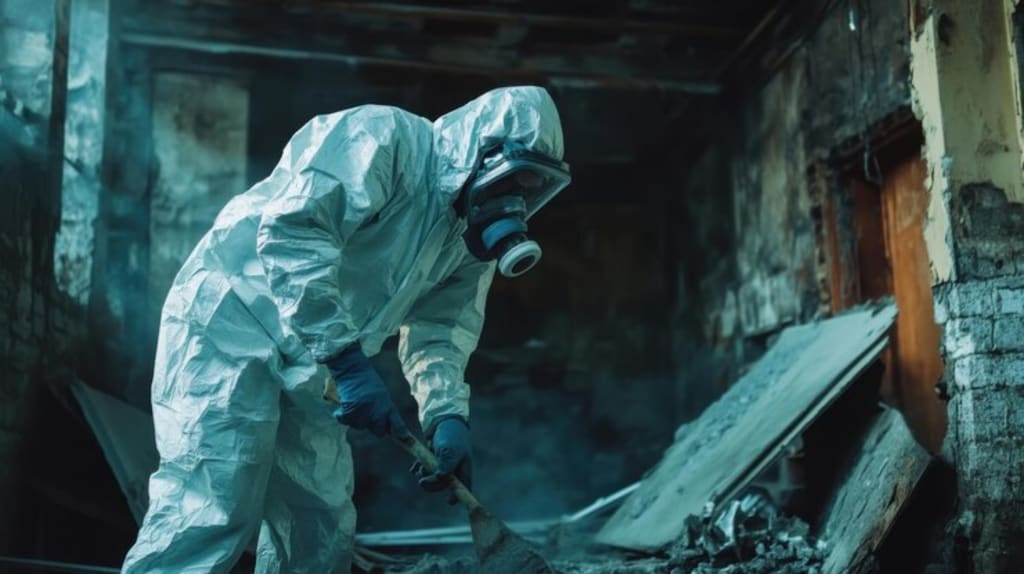
I still remember the day I walked into my friend’s house and was hit by that smell—earthy, damp, almost like an old basement. She had just moved in, excited about this cute older home with “character.” But behind that character was something else—something invisible, but dangerous: mold.
Most people don’t think about mold until it becomes a visible problem—until you see fuzzy spots creeping along the wall, or your sinuses just won’t stop flaring up. But by then, mold isn’t just a minor inconvenience. It’s a full-blown threat to your health and home.
That’s where mold testing and remediation come in—not just as emergency fixes, but as essential tools for prevention, safety, and peace of mind.
Mold: More Than Just a Stain on the Wall
Mold isn’t picky. It thrives in humid bathrooms, dark basements, leaky roofs, and even inside your walls where no one can see it. All it needs is a bit of moisture and time. What’s terrifying is how silently it spreads—behind drywall, under carpets, through air ducts—affecting your air quality and health with every breath.
For many, mold triggers more than just allergies. It can cause:
- Persistent coughing or wheezing
- Brain fog and fatigue
- Skin rashes
Aggravated asthma and breathing issues
And it’s not just about the smell or the stains. Mold can destroy drywall, weaken wooden structures, and tank your home’s value—fast.
Why Mold Testing Isn’t Overkill—It’s Smart?
Think of mold testing like a health checkup for your home. Just because you can’t see a problem doesn’t mean it’s not there.
Professional mold inspectors use advanced tools—air quality meters, moisture detectors, and thermal imaging—to locate hidden mold colonies. They can take surface swabs and air samples that get tested in certified labs to tell you exactly what kind of mold is present and how dangerous it is.
You might need mold testing if:
- You’ve recently had water damage, even if it was cleaned up
- You or someone in your household has unexplained allergies
- Your home has that persistent “damp” smell you can’t quite shake
- You’re buying or renting a new place and want to be sure it's safe
The Remediation Process: More Than Just a Clean-Up
Once testing confirms the presence of mold, remediation is the next step—and it’s not something to DIY with a spray bottle and some bleach.
Professionals don’t just clean the surface. They:
Seal off affected areas with plastic sheeting and create negative air pressure to stop spores from spreading
Remove contaminated materials like drywall or insulation safely
Use HEPA filters and antimicrobial treatments to clean and disinfect the area
Dry and restore the space to prevent mold from coming back
What’s most important? They do it safely—protecting not just your home, but your lungs and long-term health.
Real Talk: Mold Can Affect Your Life More Than You Realize
Mold isn’t just a home issue—it’s a health issue. I’ve seen families struggle with chronic fatigue, kids dealing with year-round sinus infections, and elderly parents who suddenly couldn’t breathe well—all because of hidden mold. Once it was removed, the difference was night and day.
That’s why investing in mold testing and remediation isn’t about being paranoid—it’s about being proactive.
Conclusion:
If something feels off—if your home smells musty, if you're constantly congested, if the walls seem a little too “sweaty”—trust your instincts. Mold rarely knocks on the front door. It creeps in quietly, and it won’t leave unless you make it.
Getting professional help for mold testing and remediation might just be the smartest home decision you ever make. Your walls may be hiding something—but your health shouldn’t be the one to pay the price.
About the Creator
Miami Mold Specialist
Miami Mold Specialist offers professional mold assessments and reliable removal services to protect homes and businesses across South Florida after water damage.
Visit For More Details:
Enjoyed the story? Support the Creator.
Subscribe for free to receive all their stories in your feed.
Comments
There are no comments for this story
Be the first to respond and start the conversation.