
Who is a poor candidate for a hair transplant?
Who is not suitable for Hair transplant?
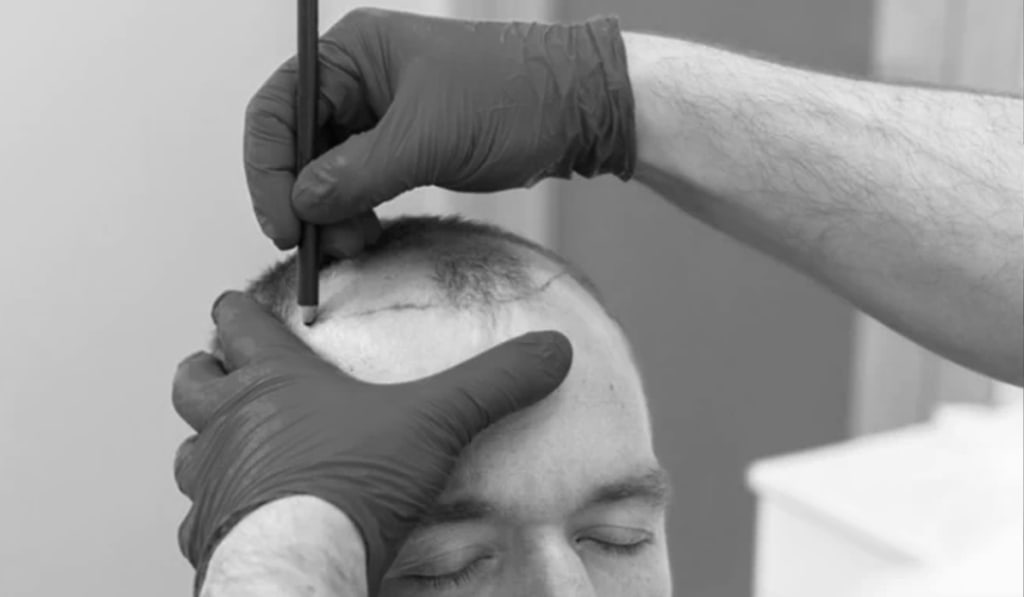
For many, a hair transplant can be life-changing as they can restore a natural appearance to the hairline and regain confidence. Not everybody, however, is a good candidate for the procedure. Knowing who might stand a poor chance as a candidate for a hair transplant can help set realistic expectations and guide people toward the best decision in their case.
Insufficient Donor Hair
But then again, one major factor behind a successful hair transplant is that there first needs to be an adequate supply of healthy donor hair. Donor hair usually originates from the back or sides of the scalp, areas where hair has better resistance to thinning. A person with very thin or fine hair in these areas might not have sufficient donor hair to supply the needs for the desired restoration results. In that case, a hair transplant may not be the best avenue for him.
2. Advanced Hair Loss
If the case is such that an individual has advanced hair loss, with almost all of the hair on top of the head gone, then a hair transplant may not do much good. In the case that there just isn't enough donor hair to cover up bald spots with sufficient hair, the results may not be that great. In such cases, doctors sometimes advise other forms of treatment, such as medication or scalp micropigmentation.
3. Unrealistic Expectations
A hair transplant might improve the appearance of hair, but realism in one's expectations is important. One may expect to have a full head of hair as in earlier days, but this might not be possible, especially if the hair loss is significant. Someone may be disappointed with the outcome if the expectation of what a hair transplant can achieve is not very realistic. It's very important to speak openly and honestly with a hair transplant specialist before you start the procedure.
4. Very Young Age
While hair loss can start at a young age, being too young may make someone a bad candidate for a hair transplant. On the other hand, hair loss patterns change, and having a hair transplant too early may not work out again in the long term. People are usually advised to wait until their hair loss pattern has stabilized before it is right to do a transplant. Other treatments, like medications, may also be prescribed first.
5. Medical Conditions
Some of the medical conditions can also render a hair transplant either risky or less effective. For example, people with autoimmune illnesses, such as alopecia areata, where hair is lost in clumps, are not the best candidates. Meanwhile, for people with uncontrolled health conditions such as diabetes, heart disease, or blood clotting disorders, complications in the process or after the surgery can be faced. Any pre-existing medical condition needs to be discussed with a doctor before considering a hair transplant.
6. Scalp Conditions
Some conditions of the scalp, like intense dermatitis, infections, or scarring, may obstruct the success of a transplant procedure. Hair implanted in an unhealthful scalp may either not grow or result in more complications. Any underlying conditions of the scalp need to be treated before the transplant for the best outcome.
7. Poor Healing Ability
A successful hair transplant depends on how well a person heals from the procedure. People who have a history of poor wound healing or who tend to develop keloid scars might not be ideal candidates. The appearance of the area with the transplanted hair may be affected, and very unsatisfactory results may be obtained.
8. Psychological Factors
Hair loss can be a very depressing affair, but going for a hair transplant may not always be in the best interest of every individual. In such cases, people with problems like extreme anxiety, body dysmorphic disorder, or high unrealistic expectations about their appearance may need to work through these problems before surgery is considered. One might find psychological support or counseling the best means for any person experiencing these issues.
This surgical intervention can successfully manage unsatisfactory hair loss issues in many people, but hair transplantation may not work for every subject with hair loss, depending on one's case. The procedure may not be appropriate for those persons with inadequate donor hair, advanced hair loss, unrealistic expectations, certain medical or scalp conditions, or poor healing ability. Very young persons or persons with psychological concerns may need to consider alternatives or delay until the time is right.
If you have thought of undergoing a hair transplant in Birmingham, ensure that you approach an experienced expert in the field who will further evaluate your specific condition for an informed decision. Once you understand the aspect of being a bad candidate, you can be better placed in deciding whether or not to undergo a hair transplant.
About the Creator
olympushair clini
we treat the advanced problem of hair loss among patients by providing treatment with transplants and laser therapy in a modern, supportive environment focused on the patient's comfort, and restoration. https://olympushairclinic.com/
Enjoyed the story? Support the Creator.
Subscribe for free to receive all their stories in your feed.
Comments
There are no comments for this story
Be the first to respond and start the conversation.