
When the Bar Becomes the Soul of Your Event
Why the person behind the drinks matters more than the drinks themselves
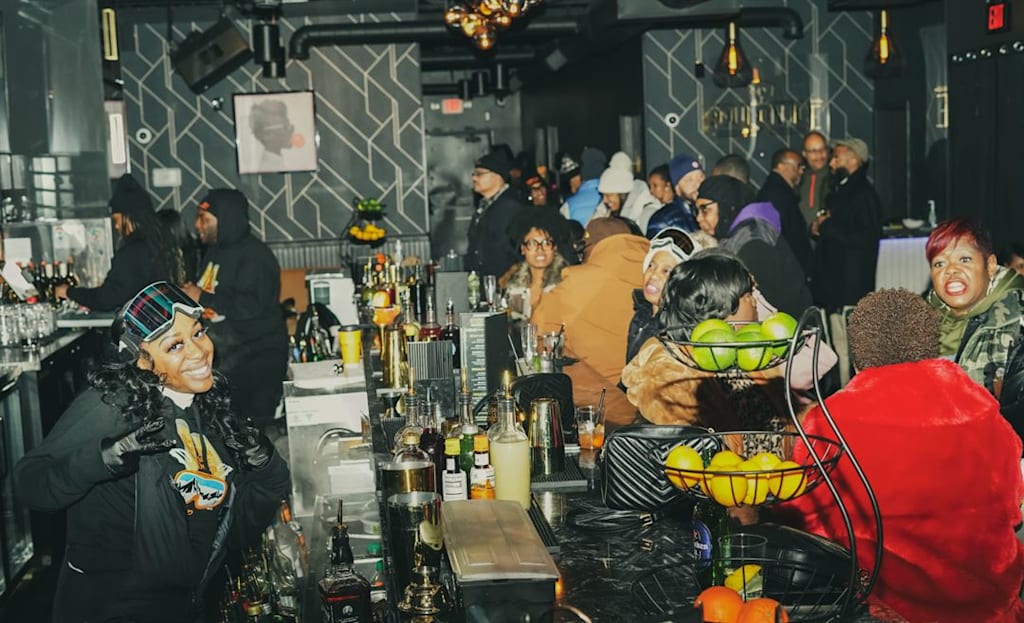
There is a moment at every well-planned event — usually somewhere between the second round of cocktails and the first time someone pulls out their phone to take a photo of their glass — when the party stops being a gathering and starts being a memory. Guests lean in closer. Conversations get warmer. Laughter gets louder. And if you trace that shift back to its source, you will almost always find it began somewhere near the bar.
This is not a coincidence.
The bar is the only station at any event that every guest visits more than once. It is the one place where a complete stranger will happily stand beside someone they have never met and strike up a conversation, simply because they are both waiting for something delicious. It is a leveler, a social lubricant in the most literal sense, and when done right, it becomes the beating heart of the entire evening.
But what does "done right" actually look like?
The Forgotten Art of Reading the Room
Most hosts spend months selecting a venue, weeks finalizing a menu, and hours debating flower arrangements. The bar, in many cases, is treated as a logistical afterthought — a folding table, a few bottles, a cooler of ice, and someone to manage the chaos.
That approach misses something fundamental.
A skilled bartender is not simply a person who pours drinks. They are, in the truest sense, a host within the host's event. They greet every guest who approaches with the same energy they would extend to the very first person who walked through the door. They remember that the woman in the blue dress asked for less sweetness in her drink. They notice when a guest looks uncertain about what to order and turn that uncertainty into a small, enjoyable discovery.
There is real craft in that kind of attentiveness. It does not happen by accident. It happens because a great bartender understands something that takes years of working events to internalize: the drink is rarely the point. The feeling the drink creates is the point.
When a guest walks away from the bar holding something that smells like a summer garden or tastes like a winter evening by a fire, they carry that sensory experience back into the crowd with them. It becomes part of how they experience the entire night.
Craft Cocktails and the Stories They Tell
Every cocktail worth drinking has a history that predates the glass it is poured into.
The Paloma, Mexico's most widely consumed cocktail, was born from a simple love of grapefruit and tequila in a culture where both were abundantly available and celebratory by nature. The Aperol Spritz became the unofficial drink of Italian summers — bright, low-alcohol, built for long evenings on sun-drenched terraces. The Moscow Mule arrived in mid-century America partly because a ginger beer company and a vodka distributor were both struggling to move product, and the solution they landed on became one of the most recognizable drinks of a generation.
Knowing these stories does not make a bartender more impressive. It makes them more useful to you and your guests. When someone asks "What's in this?" a bartender who can answer with context — not just a list of ingredients, but a sense of where the drink comes from and why it works — transforms a simple exchange into a small moment of genuine connection.
That is the difference between service and hospitality.
Building a Bar Menu That Feels Intentional
One of the most overlooked opportunities in event planning is the signature cocktail. Not every event needs one, but most events benefit from one.
A signature cocktail does several things at once. It gives guests something to talk about before they have found their conversational footing. It communicates something about the host's taste and attention to detail. It gives the bartender a chance to shine in a way that a standard drinks list rarely allows.
The best signature cocktails are specific. Not in a pretentious, twelve-ingredient-menu-printed-on-a-leather-card way, but specific to the event itself. A summer garden party might call for something built around cucumber, elderflower, and fresh mint. A winter wedding could lean into warming spices — cardamom, cinnamon, a hint of smoke from a quality spirit. A milestone birthday might warrant something that echoes the decade being celebrated, a nod to flavor profiles that were popular at a certain moment in time.
When you sit down with your bartender and ask them to help you build something that fits the night you are planning, you will almost always walk away with a drink you could not have imagined on your own. That collaboration is part of the value of hiring someone who has done this many times before.
The Rise of the Thoughtful Mocktail
Here is something that still surprises many hosts when they discover it: some of the most interesting drinks being made at private events right now contain no alcohol at all.
The craft mocktail has grown from a polite accommodation into a genuine art form. Bartenders who take non-alcoholic drinks seriously — and the good ones do — understand that the same principles apply. Balance between sweet, sour, bitter, and aromatic. Visual presentation that makes the drink feel worth having. Glassware that communicates care.
A sparkling water with a splash of grenadine is not a mocktail. It is an afterthought. But a hand-shaken blend of fresh pressed pear juice, house-made ginger syrup, lemon, and a rosemary-smoked soda water, served in a coupe glass with a dehydrated citrus wheel? That is a drink that anyone at your event would be happy to hold.
When every guest at your gathering — whether they drink alcohol or not — feels like their glass was thought about, something subtle but important happens. Nobody feels like an obligation. Everybody feels like a guest.
That kind of inclusion is quiet. It does not announce itself. But it is noticed, and it is remembered.
Mobile Bartending: Bringing the Bar to Any Space
Not every celebration happens in a place that was designed with a bar in mind. Rooftops, private gardens, gallery spaces, beach venues, family properties — some of the most beautiful and personal locations for events have no built-in bar infrastructure whatsoever.
This is where mobile bartending has genuinely changed what is possible.
A professional mobile bartender arrives with everything required to deliver a polished, fully stocked bar experience in any setting. Their equipment is purpose-built for portability without sacrificing quality. Their setup process, honed over dozens or hundreds of events, is fast enough that by the time your first guests arrive, the bar looks as though it has always belonged in that space.
Hosts who have worked with mobile bartenders often describe the same surprise: what looked like it might be logistically complicated turned out to be the easiest part of the day. The bartender handled it. That is the point.
What to Ask Before You Book
If you are hiring bartending talent for the first time, the conversation before you commit matters as much as the credentials on a resume. A few questions worth asking:
What events have they worked that are similar in size and style to yours? General hospitality experience is valuable, but private event work has its own rhythm — the pacing is different, the guest management is different, and the relationship between the bartender and the host is different from anything that happens in a commercial setting.
Can they propose a signature cocktail concept for your event? How they respond to this question tells you a great deal. A bartender who asks follow-up questions — about the season, the setting, the kind of crowd you are expecting — is someone who thinks about the experience as a whole, not just the drink in isolation.
What do they need from you logistically? Ice sourcing, table dimensions, power access, refrigeration — getting clear on these details early prevents the kind of last-minute scrambling that nobody wants on the day.
And pay attention to the quality of the conversation itself. The best bartenders are, at their core, people who connect easily with strangers. If the exchange feels natural, warm, and professional, that same energy will carry into every interaction they have with your guests from the moment the first order is placed.
The Night Ends. The Drink Stays With You.
There is a particular kind of evening that people do not stop talking about. You have probably been to one. Maybe the food was good. Maybe the setting was beautiful. But what you remember most — what you find yourself describing to people who were not there — is harder to pin down. It was just a great night. The kind where time moved differently. Where you did not want to leave.
Great events of that kind do not happen by accident. They happen because someone — usually several someones — took care of something that most guests never consciously notice. The lighting felt right. The music found the perfect volume. And every time you needed a drink, you walked away from the bar feeling like that small moment had been worth your attention.
That is the quiet work of a great bartender. Not flashy. Not loud. Just steadily, carefully making sure that one of the most visited corners of your event is a place where people feel genuinely looked after.
The drinks are the vehicle. The feeling is the destination. And the person who understands the difference between those two things is the one worth having behind your bar.
About the Creator
Enjoyed the story? Support the Creator.
Subscribe for free to receive all their stories in your feed.
Comments
There are no comments for this story
Be the first to respond and start the conversation.