
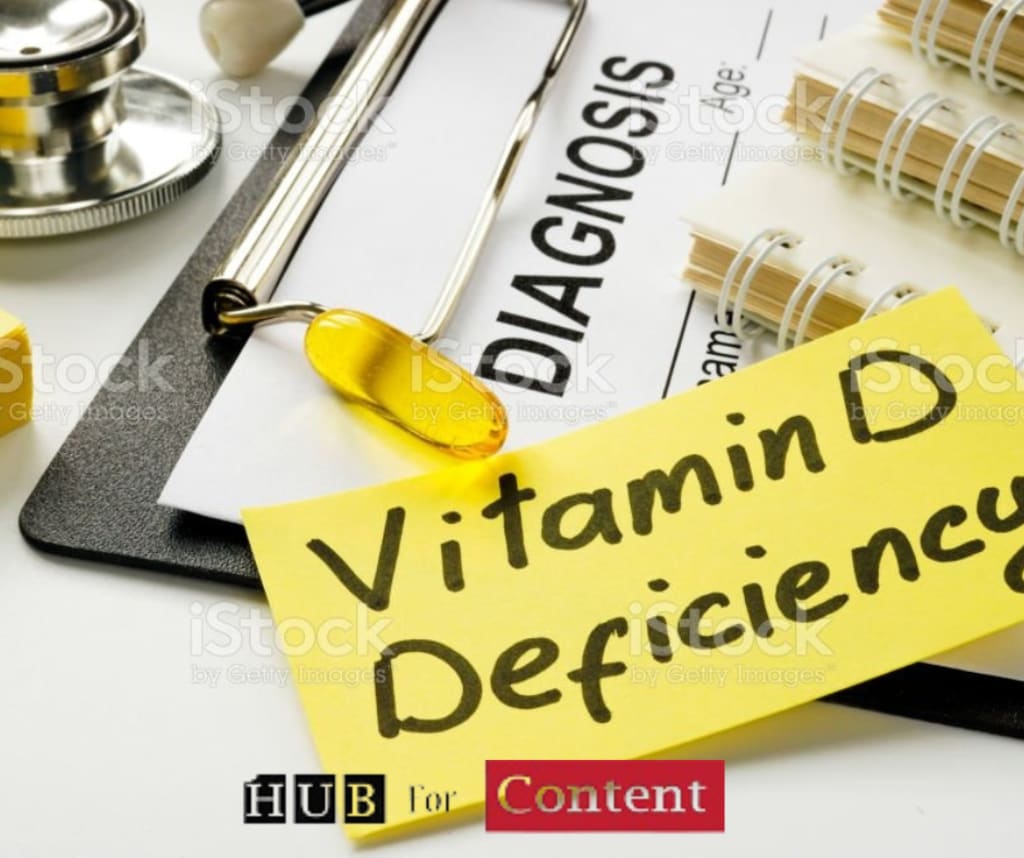
Vitamin D deficiency refers to a condition where an individual does not have adequate levels of vitamin D in their body. Vitamin D is a crucial nutrient that helps in the absorption of calcium and phosphorus, which are essential for maintaining strong bones and teeth. It also plays a role in supporting immune function, regulating cell growth, and reducing inflammation.
When a person lacks sufficient vitamin D, it can lead to various health problems. The most common consequence of vitamin D deficiency is weakened bones, which can result in conditions like rickets in children and osteomalacia in adults. Additionally, inadequate vitamin D levels have been associated with an increased risk of osteoporosis, muscle weakness, and fractures.
When a person lacks sufficient vitamin D, it can lead to various health problems. The most common consequence of vitamin D deficiency is weakened bones, which can result in conditions like rickets in children and osteomalacia in adults. Additionally, inadequate vitamin D levels have been associated with an increased risk of osteoporosis, muscle weakness, and fractures.
Vitamin D deficiency can occur due to several factors, including limited sun exposure, as the body produces vitamin D when the skin is exposed to sunlight. People with darker skin, older adults, individuals with obesity, and those who cover their skin for cultural or religious reasons are at a higher risk of deficiency. Insufficient dietary intake of vitamin D-rich foods, such as fatty fish, eggs, and fortified dairy products, can also contribute to deficiency.
The symptoms of vitamin D deficiency can vary and may include fatigue, bone pain or tenderness, muscle weakness, frequent infections, depression, and impaired wound healing. However, some individuals may not experience any noticeable symptoms.
Diagnosing vitamin D deficiency involves a blood test to measure the levels of 25-hydroxyvitamin D in the body. Treatment typically involves increasing vitamin D intake through supplements or dietary changes. In severe cases, higher doses of vitamin D may be prescribed by a healthcare professional.
Preventing vitamin D deficiency is crucial for maintaining overall health. It is recommended to expose the skin to sunlight for a limited period each day, consume a balanced diet that includes vitamin D-rich foods, and consider supplementation if necessary. However, it is important to consult a healthcare provider before starting any supplementation regimen.
Why do i want vitamin D and how i get it?
Vitamin D is essential for various functions in the body, and having adequate levels is important for overall health. Here are some reasons why you need vitamin D and how you can obtain it:
1. Bone Health: Vitamin D promotes the absorption of calcium and phosphorus, which are crucial for maintaining strong bones and teeth. Sufficient levels of vitamin D help prevent conditions like osteoporosis, rickets (in children), and osteomalacia (in adults).
2. Immune Function: Vitamin D plays a role in regulating immune function and helps in defending against infections. It supports the production of antimicrobial peptides that aid in fighting off harmful pathogens.
3. Muscle Strength: Adequate vitamin D levels are associated with improved muscle strength and function. It is particularly important for preventing muscle weakness, falls, and fractures, especially in older adults.
4. Mood and Mental Health: Some research suggests that vitamin D may play a role in mood regulation and mental health. Low levels of vitamin D have been associated with an increased risk of depression and seasonal affective disorder (SAD).
To obtain vitamin D, you can consider the following sources:
1. Sun Exposure: The most natural way to obtain vitamin D is through exposure to sunlight. Your skin produces vitamin D when it is exposed to ultraviolet B (UVB) rays. Spending around 10-30 minutes in the sun, with a large portion of your skin exposed, a few times a week can help your body produce vitamin D. However, factors like geographical location, time of year, skin pigmentation, and the use of sunscreen can impact the production of vitamin D.
2. Diet: Certain foods are good sources of vitamin D. Fatty fish like salmon, mackerel, and sardines, as well as cod liver oil, are excellent sources. Other foods like fortified dairy products (milk, yogurt, cheese), eggs, and fortified cereals may also contain vitamin D. However, it’s worth noting that it can be challenging to obtain sufficient vitamin D through diet alone.
3. Supplements: If you are unable to get enough vitamin D from sunlight or diet, or if you have specific health conditions that hinder absorption, supplements may be recommended. Vitamin D supplements are available over-the-counter and can be taken orally. It is advisable to consult a healthcare professional for guidance on the appropriate dosage, as excessive vitamin D intake can have adverse effects.
Remember, it is essential to maintain a balance when it comes to vitamin D intake
Read More:https://www.hubforcontent.com/what-is-vitamin-d-deficiency/
About the Creator
Enjoyed the story? Support the Creator.
Subscribe for free to receive all their stories in your feed.
Comments
There are no comments for this story
Be the first to respond and start the conversation.