
What Is a B Train Truck and How Does It Work?
The Smarter Way to Haul More with Better Stability

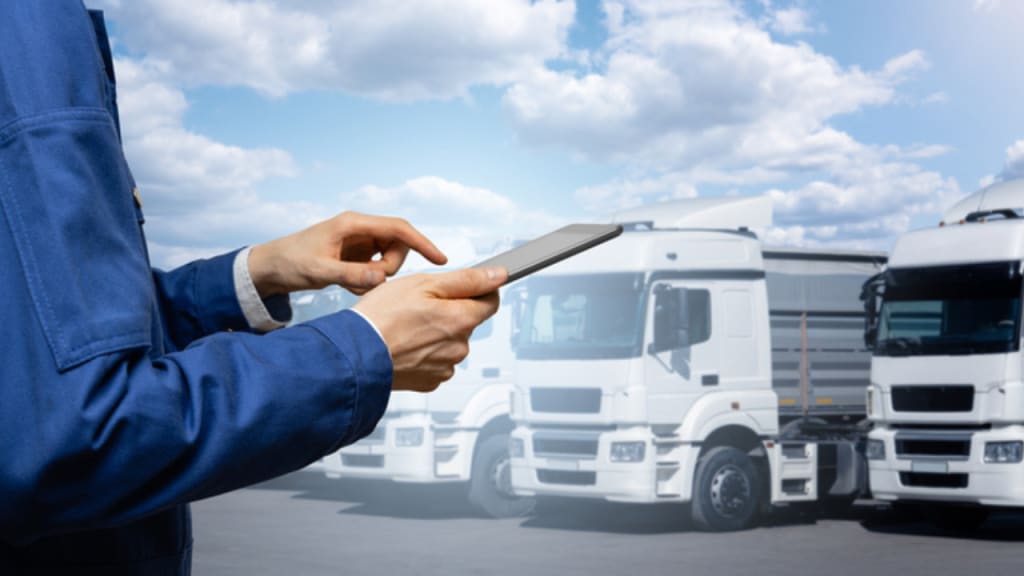
When it comes to transporting goods efficiently across long distances, trucking companies are always looking for ways to move more cargo in fewer trips. One of the smartest solutions developed for this purpose is the B Train truck. Known for its efficiency, stability, and ability to haul large loads, the B Train combination has become a preferred choice in industries like logistics, construction, and agriculture.
In this blog, we’ll explore what a B Train truck is, how it works, and why it’s such an essential part of modern freight transportation.
Also Read https://lubanatrucking.com/blogs/b-train-trucking-is-the-backbone-of-long-haul-transportation/
What Is a B Train Truck?
A B Train truck—also called a B Train combination or B-double—is a type of double trailer configuration used in trucking. It consists of a tractor unit (the main truck) pulling two trailers connected by a fifth-wheel coupling mounted on the rear of the first trailer.
Unlike standard double trailers, where the second trailer is connected by a drawbar or converter dolly, a B Train uses a direct fifth-wheel connection. This unique setup provides greater stability and allows for heavier and longer loads while maintaining better control on the road.
In simpler terms, a B Train truck is designed to carry more cargo safely and efficiently than a single or conventional double trailer setup.
How Does a B Train Truck Work?
The B Train configuration works through a fifth-wheel coupling system, which is what makes it different from other multi-trailer setups.
Here’s how it functions step by step:
The Tractor Unit (Truck):
The front part of the combination, also known as the tractor or prime mover, pulls the load.
The First Trailer (Lead Trailer):
This trailer is attached to the tractor. At its rear, it has a fifth-wheel hitch, similar to the one on the tractor itself.
The Second Trailer (Pup or Rear Trailer):
The second trailer connects directly to the fifth wheel at the back of the first trailer. This makes it more stable and allows for smoother turning compared to an A-train or regular double trailer.
Because the connection is more rigid and centered, the B Train maintains better tracking and less trailer sway, especially when traveling at highway speeds or during tight turns.
Types of B Train Configurations
- B Train trucks come in different setups depending on the type of cargo they carry:
- B-Train Flatbeds: Used for hauling lumber, steel, construction materials, or oversized loads.
- B-Train Tankers: Designed for transporting liquid goods like fuel, milk, or chemicals.
- B-Train Dry Vans: Enclosed trailers that carry general freight and dry goods.
- B-Train Refrigerated Units: Used for temperature-sensitive shipments such as food, beverages, or pharmaceuticals.
Each configuration is customized for specific industries and transportation needs.
Advantages of Using a B Train Truck
1. Increased Payload Capacity
A B Train truck can carry more freight compared to single or regular double trailers. This reduces the number of trips required, saving both time and fuel.
2. Greater Stability and Control
The fifth-wheel connection provides superior balance and reduces trailer swing, making it safer and easier to handle on highways.
3. Better Fuel Efficiency
By carrying more cargo in one go, B Train trucks reduce overall fuel consumption per ton of freight moved — helping lower operating costs and environmental impact.
4. Enhanced Maneuverability
Despite their length, B Train trucks are easier to maneuver compared to traditional double trailers, especially when reversing or turning on narrow roads.
5. Cost-Effective for Long Hauls
B Train combinations are ideal for long-distance freight transport, as they offer a perfect balance between load size, fuel use, and road safety.
Where Are B Train Trucks Commonly Used?
B Train trucks are widely used in Canada, the United States, Australia, and New Zealand, where long-haul freight routes are common. In Canada, especially, B Train combinations are popular for carrying heavy goods like lumber, grain, petroleum products, and industrial equipment across provinces.
They are also commonly seen in industries such as:
- Agriculture: Grain, feed, and fertilizer transport.
- Construction: Heavy materials, machinery, and steel hauling.
- Fuel & Liquids: Tanker B Trains for transporting fuel or chemicals.
- Retail & Logistics: For delivering large shipments efficiently.
Safety Considerations for B Train Trucks
Operating a B Train truck requires specialized knowledge and training due to its size and configuration. Drivers must:
Undergo specific licensing and training for multi-trailer combinations.
Ensure proper weight distribution across both trailers.
Regularly inspect couplings, brakes, and tires for safety compliance.
Follow all regional length and weight regulations for B Train operations.
Modern B Train setups also include advanced braking systems, GPS tracking, and load sensors to improve operational safety.
Why B Train Trucks Are the Future of Freight Transport?
With the increasing demand for efficient and sustainable transport, B Train trucks are becoming an essential part of the modern logistics network. They maximize load efficiency, minimize fuel use, and reduce road congestion by requiring fewer trips to move the same amount of goods.
As more companies look to optimize their supply chains, B Train trucking stands out as a reliable and eco-friendly solution.
Wanna more about trucking companies houston , trucking company edmonton
Conclusion
A B Train truck is a remarkable innovation in the world of freight transportation. Its smart design — two trailers linked by a fifth-wheel coupling — allows for higher payloads, better stability, and improved fuel efficiency.
Whether it’s moving lumber across provinces, hauling fuel, or delivering retail goods, the B Train configuration offers a practical, cost-effective, and sustainable way to keep industries moving.
In short, understanding what a B Train truck is and how it works gives you a deeper appreciation for the complex and efficient systems that power today’s logistics world.
About the Creator
Ms. Pawar
Hi, I’m Ms. Pawar — an informative content sharer who loves making knowledge simple, clear, and useful. I’m all about turning valuable insights into easy-to-digest content that helps people learn, grow, and stay updated.
Enjoyed the story? Support the Creator.
Subscribe for free to receive all their stories in your feed.
Comments
There are no comments for this story
Be the first to respond and start the conversation.