
We Didn’t Start Loving the Villain… We Simply Began to See the Wounds He Carried
As children we easily separate heroes from villains, certain of who deserves our contempt. When we mature, we slowly realise there is suffering behind the villain’s actions — without ever justifying the harm he caused.

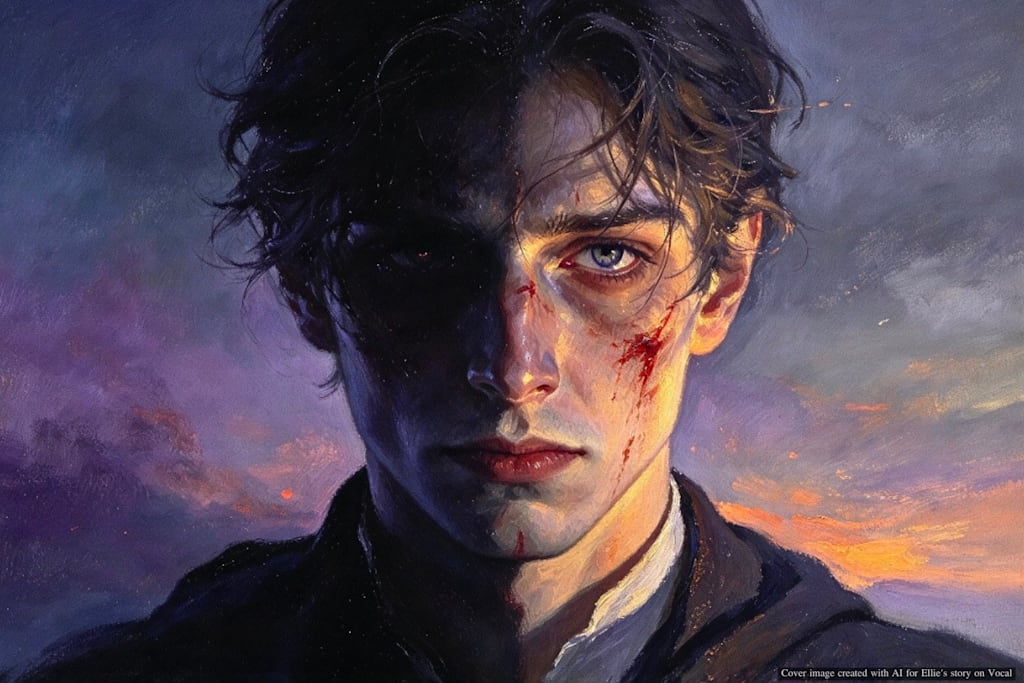
When I was a child, my world was wonderfully simple, split by a crisp, clear dividing line as if drawn in white against a black backdrop. Every time I watched a film, read a story, or listened to a tale, I instantly knew exactly who the hero was and who the villain was. The hero was the good person, the one wronged, fighting for justice and for the people he loved. The villain was everything opposite: someone who hurt others for no real reason, driven by greed and envy, delighting in destroying other people’s happiness just so he could win. We waited eagerly for the moment the villain would fall, anticipating his well‑deserved punishment, and when that moment finally arrived, our young hearts felt satisfied, convinced the world had returned to balance. Good had triumphed over evil — that was the lesson the world taught me from my earliest years.
Back then I never once wondered what hid behind the villain’s cruel smirk. I never stopped to ask whether he had known profound pain, whether he had been abandoned, humiliated, made to feel worthless in the eyes of everyone around him. To my child’s mind, a villain was just a villain, and that was all there was to it. He deserved no sympathy, no chance to tell his side of the story.
Years slipped by, and I grew older. That simple, black‑and‑white world of my childhood slowly faded away, like morning mist vanishing beneath the rising sun. I encountered disappointment, loss, loneliness, and injustice that no one stepped forward to fix. I went through seasons where I tried my hardest to be good, to be patient, to forgive, only to receive fresh pain in return, again and again. I learned the heavy weight of deep‑seated anger — not just a fleeting burst of irritation, but a burden pressing down on my heart day after day. I understood the urge to strike back, to make those who had hurt me suffer just as I had suffered. It was at those lowest points that being a good person felt unbearably exhausting.
And right there, the image of every villain I had hated for so long floated back into my thoughts.
I am not saying what the villain did was right. I am not claiming violence, harm, greed, or cruelty should ever be excused. What he did remained wrong. It still shattered lives and left permanent, irreparable damage behind. But what changed was my perspective. I began to see him on a whole new level. I realized villains were not born as demons bent on destroying the world. Once upon a time, they, too, were ordinary human beings, capable of feeling, hoping, and longing just like everyone else.
More often than not, the villain is the person left behind and overlooked. While the hero receives love, support, and comfort in times of suffering, the villain cries alone, his screams unheard, his pain unseen. His wounds are never treated. They fester deep inside, slowly curdling into bitterness, rage, and distrust toward everything and everyone around him. Many people mistake recognizing this truth for forgiving the villain’s crimes. In reality, it is simply understanding human nature. Every single one of us carries a dark side within ourselves. We all have weaknesses, hidden scars. Scars left untended can push even the kindest person down a destructive path.
Real life has no narrator standing beside us to label who is the hero and who is the villain. In the real world, the person who looks like the villain to you may only be drowning in agony you know nothing about. Sometimes he chooses the wrong path because he genuinely believes it is the only path left for him. He never learned healthier ways to process pain, never knew another way to demand fairness.
Growing up is far more than just aging, earning more money, or accumulating knowledge. Growing up means your heart expands enough to accept that life is never simply black or white — it is filled with endless shades of gray. Growing up means learning to draw a clear distinction between understanding the pain that drove someone to commit a wrong, and accepting that their actions were justified. These are two very different things.
We may recognize a villain’s suffering and comprehend what led him to his breaking point, yet still firmly hold that his actions were wrong and that he must face the consequences for what he has done.
Mature compassion does not mean closing your eyes to evil in this world. It means having the courage to look deeper and find the root of the problem. It makes you slower to judge others. Before you label somebody a monster, pause for just a moment and ask yourself what hardships they have endured. Of course, this understanding never gives anyone permission to hurt you or other people. You still must protect yourself and stand firmly for what is right. But this wider perspective keeps your heart from shrinking into narrow‑minded hatred, helping you see the full humanity inside every individual.
Many times, we ourselves have stood dangerously close to the same edge our villains stood upon. Dark, harmful thoughts have crossed our minds when suffering overwhelmed us. We were lucky — we had a person, a memory, or a flicker of hope to pull us back from the brink. But for the fictional villains we read about, and for real people living in this world, that lifeline was missing. Nobody reached out to save them, and they slipped further and further into the darkness until they could no longer find their way back out.
That is the painful lesson life teaches us as we mature. We do not suddenly start rooting for cruelty, nor do we lose our ability to tell right from wrong. We simply come to grasp the staggering complexity of the human heart. We see the villain for what he truly is: another human being who lost the fight against his own pain long before he became the monster everyone despises.
At the end of the day, I still cheer for goodness, still hope for justice in our world. But now, when I look at a villain, I no longer merely wait for his defeat. I feel a quiet ache in my chest, grateful for the chances he was never given. I remind myself constantly: untreated wounds have the power to turn ordinary, good people into the villains the rest of the world fears and hates. Whatever ending each story may bring, this deeper understanding is what makes us fully human.
About the Creator
Ellie
I do not merely tell stories… but invite you to step into a world of feelings — a small realm filled with memories, imagination, and secrets.
[ My words are mine, not a robot’s! ]
_______________
IG: @Ellie.15111
Enjoyed the story? Support the Creator.
Subscribe for free to receive all their stories in your feed. You could also become a paid subscriber, letting them know you appreciate their work.
Comments
There are no comments for this story
Be the first to respond and start the conversation.