
Uncovering Hidden Horrors: Identifying Sexual Abuse in Nursing Homes
This article addresses the critical issue of sexual abuse in nursing homes, providing valuable insights on how to identify signs of abuse. It emphasizes behavioral and emotional changes, physical indicators, hygiene variations, financial discrepancies, and the significance of trusting instincts.
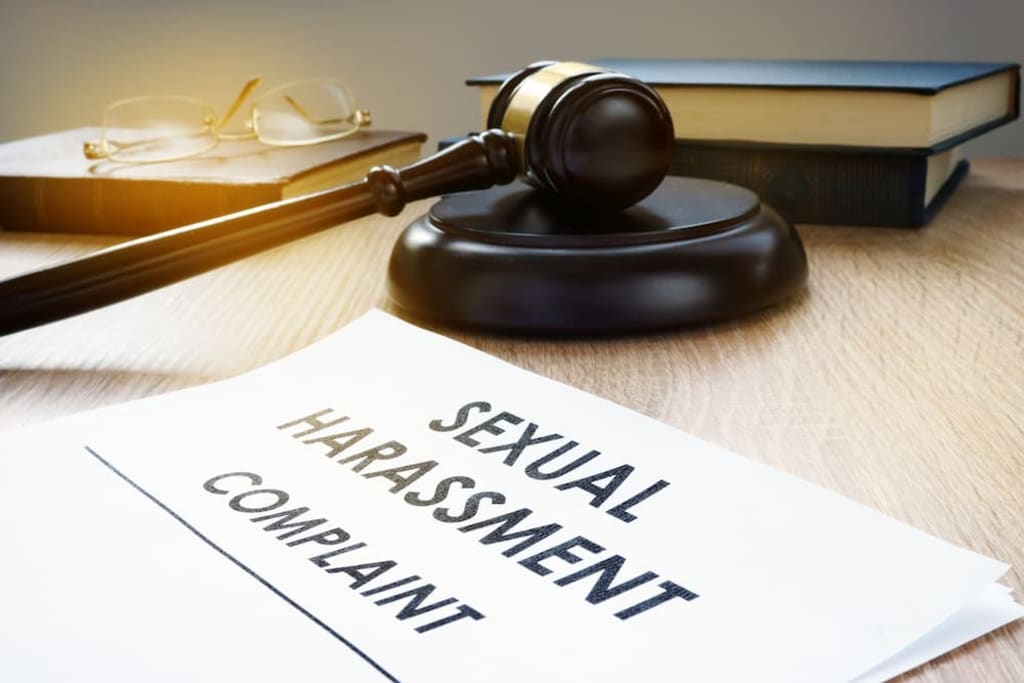
When our loved ones enter nursing homes, we expect them to receive the care and respect they deserve. However, the sad reality is that some seniors fall victim to sexual abuse within these supposed safe havens. Identifying sexual abuse in nursing homes is a challenging but crucial task. This article aims to shed light on the signs and indicators that can help loved ones detect and address such heinous acts. While discussing this sensitive topic, we will touch upon the importance of nursing home sexual abuse lawyers in providing support and seeking justice for victims.
Recognize Behavioral and Emotional Changes
One of the primary indications of sexual abuse in nursing homes is a sudden and unexplained shift in behavior or emotions. Watch out for signs such as increased anxiety, fearfulness, withdrawal from activities and social interactions, mood swings, depression, or sudden aggression. These behavioral changes may indicate that something distressing is happening to your loved one and should not be ignored.
Observe Physical Signs
Visible physical signs can serve as red flags for potential sexual abuse. Look for unexplained injuries, bruises, cuts, or burns, especially in sensitive or private areas of the body. Frequent urinary tract infections, sexually transmitted infections (STIs), or unexplained bleeding can also be indications of sexual abuse. Pay close attention to any signs of discomfort during physical contact or examination, as they may suggest past or ongoing abuse.
Notice Changes in Personal Hygiene
Sexual abuse can impact a victim's personal hygiene routines. Look for sudden and unexplained changes in your loved one's grooming habits, such as neglecting personal care or exhibiting excessive cleanliness. Fear, shame, or physical limitations due to abuse may affect their ability or willingness to maintain their usual hygiene routine.
Assess Financial Transactions
Financial exploitation can accompany sexual abuse in nursing homes. Keep a close eye on your loved one's financial transactions. Look out for unexplained withdrawals, unusual purchases, sudden changes in their financial situation, or missing personal belongings. These discrepancies may indicate that your loved one is being manipulated or taken advantage of by someone within the facility.
Trust Gut Instincts and Intuition
Intuition plays a vital role in identifying potential abuse. If something feels amiss or your gut tells you that your loved one may be a victim of sexual abuse, trust your instincts. Often, a caregiver's behavior, body language, or responses may trigger your concerns. Do not dismiss these feelings; instead, investigate further or seek professional advice to ensure your loved one's safety.
Communicate Openly and Regularly
Maintaining open lines of communication with your loved one is crucial. Encourage them to share their thoughts and feelings, actively listen without judgment, and assure them that they can confide in you without fear of repercussions. Establishing trust and open dialogue allows victims to feel safe and supported, enabling them to disclose any instances of abuse they may have experienced.
Document and Report Suspected Abuse
If you suspect sexual abuse, document any relevant information, including dates, times, descriptions of incidents, and the names of potential witnesses. Report your concerns immediately to the nursing home administration and the appropriate regulatory authorities. Reporting suspicions promptly helps ensure that necessary investigations are conducted and that action is taken to protect your loved one and other vulnerable residents.
Seek Legal Support
In cases where sexual abuse has occurred, it is essential to consult a nursing home sexual abuse lawyer. These legal professionals specialize in advocating for victims of nursing home abuse and can guide you through the legal process. They can help gather evidence, navigate complex legal systems, and ensure the responsible parties are held accountable for their actions. Seeking legal support provides victims and their families with the opportunity to seek justice and obtain compensation for the harm suffered.
Conclusion
Identifying sexual abuse in nursing homes demands careful observation, active communication, and trust in one's instincts. By recognizing behavioral and emotional changes, observing physical signs, monitoring personal hygiene, assessing financial transactions, trusting your intuition, communicating openly, documenting suspicions, and seeking legal support, you can play a crucial role in protecting your loved ones. Let us stand together to shine a light on these hidden horrors, advocate for the vulnerable, and ensure that nursing homes provide the safe and compassionate environments our seniors deserve.
About the Creator
Enjoyed the story? Support the Creator.
Subscribe for free to receive all their stories in your feed.
Comments
There are no comments for this story
Be the first to respond and start the conversation.