
Top Trends in MEP Systems: Enhancing Building Performance
Top Trends in MEP Systems
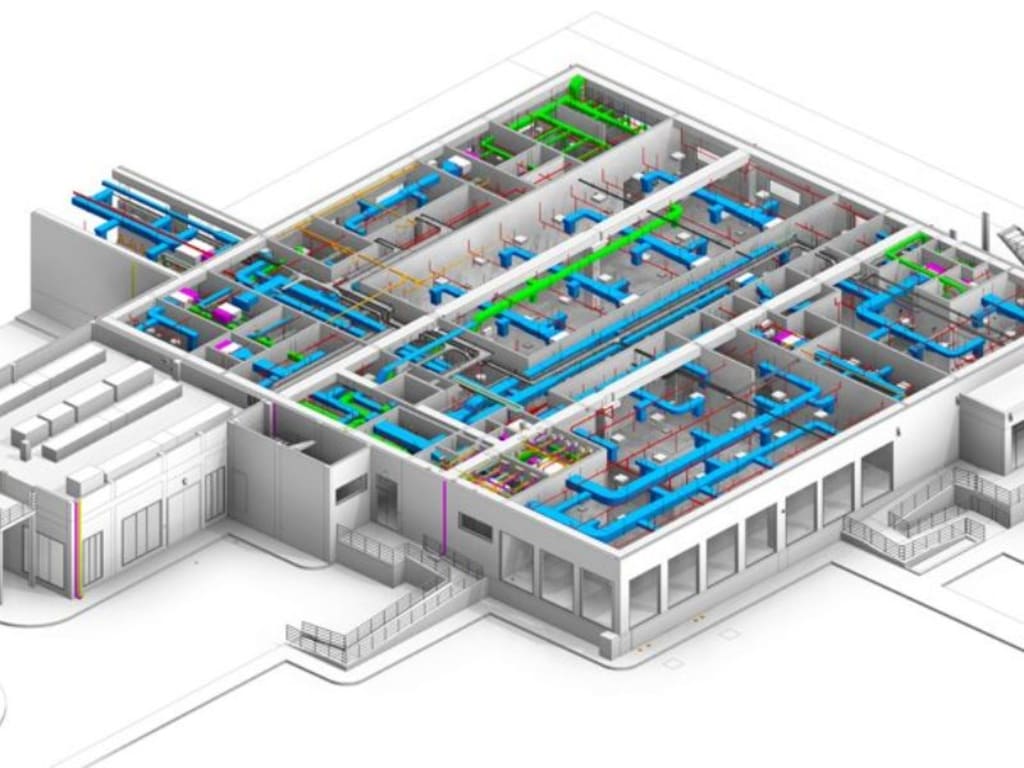
In the world of construction, MEP (Mechanical, Electrical, and Plumbing) systems play a vital role in ensuring the efficient operation of buildings. As technology continues to advance, so do the trends in MEP systems. These trends focus on enhancing building performance, optimizing energy efficiency, and improving occupant comfort. This article explores the top trends in MEP systems, highlighting how they contribute to the evolution of modern buildings.
Table of Contents
- Smart Building Automation
- Energy Management and Sustainability
- Integration of Renewable Energy Sources
- Indoor Air Quality and Ventilation Systems
- Advanced Lighting Solutions
- Water Efficiency and Conservation
- Building Information Modeling (BIM) for MEP Systems
- Enhanced Fire Protection Systems
- Internet of Things (IoT) Integration
- Collaborative Design and Construction Processes
- Conclusion
1. Smart Building Automation
One of the significant trends in MEP systems is the integration of smart building automation. This involves the use of sensors, controls, and intelligent algorithms to monitor and control various building systems. Smart automation optimizes energy consumption, improves occupant comfort, and enables predictive maintenance for MEP components.
2. Energy Management and Sustainability
Energy management and sustainability have become focal points in the construction industry. MEP systems are incorporating energy-efficient components and strategies to reduce the carbon footprint of buildings. This includes the use of high-efficiency HVAC systems, intelligent lighting controls, and energy monitoring systems to track and optimize energy usage.
3. Integration of Renewable Energy Sources
To further enhance building performance, the integration of renewable energy sources within MEP systems is gaining momentum. Solar panels, wind turbines, and geothermal systems are being incorporated to generate clean energy, reducing reliance on traditional power sources and lowering operational costs.
4. Indoor Air Quality and Ventilation Systems
Indoor air quality is essential for occupant health and comfort. MEP systems now focus on advanced ventilation techniques, air purification systems, and monitoring devices to ensure optimal air quality. These systems remove pollutants, control humidity levels, and provide a comfortable indoor environment.
5. Advanced Lighting Solutions
Lighting plays a significant role in both aesthetics and energy consumption. MEP systems are adopting advanced lighting solutions such as LED lighting, daylight harvesting, and motion sensors. These technologies enhance energy efficiency, provide better lighting quality, and contribute to occupant well-being.
6. Water Efficiency and Conservation
Water scarcity and environmental concerns drive the need for water-efficient MEP systems. Low-flow fixtures, rainwater harvesting systems, and smart irrigation controllers are being integrated to minimize water consumption without compromising functionality or occupant needs.
7. Building Information Modeling (BIM) for MEP Systems
Building Information Modeling (BIM) is revolutionizing the design and coordination of MEP systems. BIM allows for virtual modeling and simulation of MEP components, enabling better coordination among different trades, reducing errors, and optimizing system performance before construction begins.
8. Enhanced Fire Protection Systems
Fire safety is a critical aspect of building design. MEP systems now incorporate advanced fire protection technologies, including intelligent smoke detection, fire suppression systems, and emergency communication systems. These integrated systems enhance the safety and response time in case of a fire emergency.
9. Internet of Things (IoT) Integration
The Internet of Things (IoT) is transforming various industries, and MEP systems are no exception. IoT integration allows for real-time monitoring, predictive maintenance, and remote control of MEP components. This enables proactive identification of issues, efficient maintenance scheduling, and optimized performance of MEP systems.
10. Collaborative Design and Construction Processes
The trend of collaboration extends to the design and construction processes of MEP systems. Architects, engineers, and MEP company work closely together from the early stages of a project to ensure seamless integration of MEP systems with the building design. This collaboration leads to more efficient installations, reduced conflicts, and improved overall building performance.
Conclusion
As buildings become more advanced and sustainable, MEP systems play a crucial role in enhancing their performance. The top trends in MEP systems, such as smart building automation, energy management, integration of renewable energy sources, and IoT integration, contribute to energy efficiency, occupant comfort, and environmental sustainability. By adopting these trends, buildings can achieve optimal performance while reducing their impact on the environment.
FAQs (Frequently Asked Questions)
Q1: How do MEP systems contribute to building performance?
A1: MEP systems ensure the efficient operation of buildings by optimizing energy usage, improving indoor air quality, and integrating sustainable technologies.
Q2: What is the role of IoT in MEP systems?
A2: IoT integration allows for real-time monitoring, predictive maintenance, and remote control of MEP components, leading to optimized performance and proactive issue resolution.
Q3: Why is collaboration important in MEP design and construction?
A3: Collaboration among architects, engineers, and MEP contractors ensures the seamless integration of MEP systems with building design, resulting in efficient installations and improved overall performance.
Q4: How can renewable energy sources be integrated into MEP systems?
A4: Renewable energy sources like solar panels, wind turbines, and geothermal systems can be incorporated into MEP systems to generate clean energy and reduce reliance on traditional power sources.
Q5: What are some advanced lighting solutions in MEP systems?
A5: LED lighting, daylight harvesting, and motion sensors are examples of advanced lighting solutions that enhance energy efficiency and occupant comfort.
About the Creator
Enjoyed the story? Support the Creator.
Subscribe for free to receive all their stories in your feed.
Comments
There are no comments for this story
Be the first to respond and start the conversation.