
This is what will happen if you have schizophrenia.
What schizophrenia feels like from the inside, and how it starts quietly before most people see it

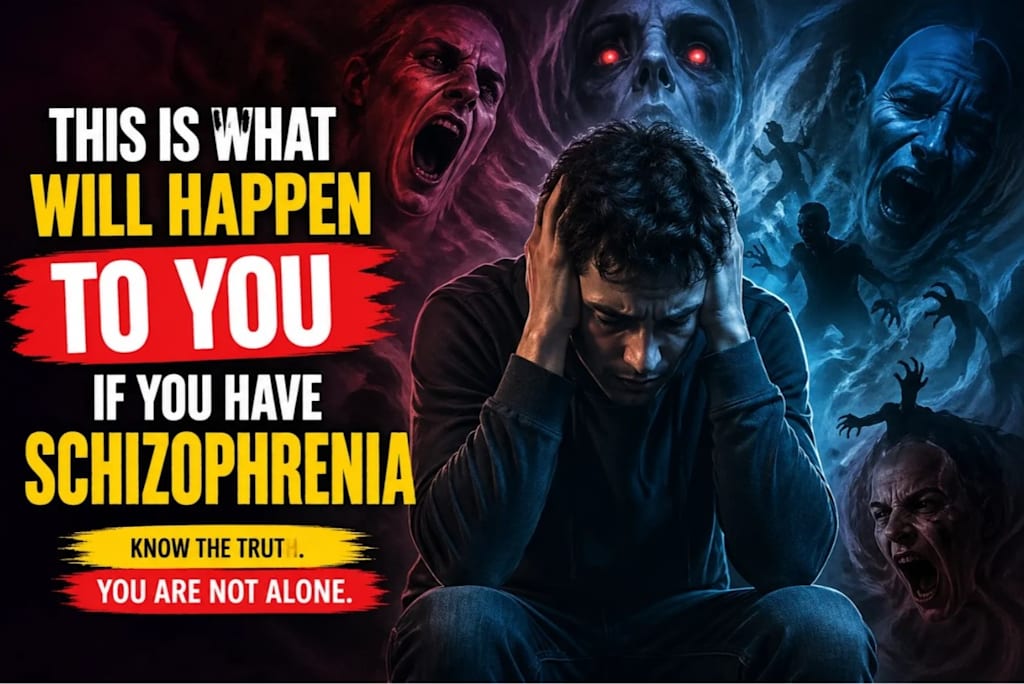
Sometimes someone starts pulling away before anyone sees what’s going on.
Not in a dramatic sense. More like 'missed calls.' Weird pauses in conversation. Around them the room is getting quieter. I have seen this pattern over and over on large medical sites when they describe schizophrenia, but reading it there feels clean and clinical. It’s not like that in real life.
What happens if you have schizophrenia usually doesn’t happen all at once. It can build up slowly. First confusion. Perhaps suspicion. Sleep problems interfere with concentration. Then something feels wrong, but it's hard to put your finger on.
That’s part of the problem. When reality itself starts to change, you may not even realize that something is wrong.
What can schizophrenia feel like at the start?
The early signs of schizophrenia often look small from the outside. Inside, they may feel much bigger.
- Difficulty in organizing thoughts
- Get away from others
- Flat emotions, or numbing
- Fear of being watched or judged by others
- Hearing voices or sounds that others do not hear
- Firm convictions not rooted in reality
- Concentration and memory problems
These schizophrenia symptoms can start gradually or appear after a stressful period. Sometimes, family notices first. Sometimes nobody does.
I was digging into this once because many people assume it always begins with extreme behavior. It often does not. Sometimes it starts with silence.
What happens during active phases of schizophrenia?
When symptoms worsen, daily life can become challenging in ways that people underestimate.
You may hear voices commenting on you. You may believe that someone is following you. In cases of paranoid schizophrenia, fear and mistrust can become central. Even ordinary sounds or comments can feel threatening.
Your thinking may also become disorganized. You start a sentence but lose it in the middle. You try to cook but forget the next step. You want to shower but are unable to begin.
That sounds simple. It's not simple.
Automatic tasks can make people feel stuck. Time slips. Routines break. You may stop responding to messages because speaking itself is difficult.
According to the World Health Organization, schizophrenia affects perception, thinking, behavior, and functioning.
What happens long-term if schizophrenia is untreated?
This is where many individuals become trapped.
Without help, recurring episodes can harm relationships, employment, income, and health. You may isolate more every year. It is becoming increasingly difficult to trust. Motivation decreases. Some people lose their homes or stop attending school because their symptoms recur.
The Mayo Clinic states that schizophrenia can cause complications in employment, relationships, anxiety, depression, and physical health.
That last part is important. It is not just mental. Stress, inactivity, smoking, poor sleep, and medication side effects can all increase the risk of developing diabetes or heart disease.
So, when people ask what happens if they have schizophrenia, the honest answer is this. A lot depends on whether treatment starts early and continues consistently.
What changes when schizophrenia treatment starts?
This part often gets ignored, and it should not.
Treatment for schizophrenia can reduce hallucinations, stabilize thinking, and help people return to their normal routines. Medication, therapy, family support, skill training, and community care are all possible options.
Some medications contain older antipsychotics. Some newer options, such as lumateperone, may be considered by a clinician based on the patient's needs.
Treatment is not a magical process. It can take time. Adjustments occur. Side effects may require management. However, many people improve more than others expect.
According to the SAMHSA, people suffering from schizophrenia can manage their symptoms and live fulfilling lives.
Living with schizophrenia in real life
Living with schizophrenia can mean building structure around a brain that sometimes resists structure.
- Regular sleep times
- Low-stress routines
- Medication consistency
- Therapy appointments
- Honest family support
- Limits on alcohol or drugs
- Quick response when symptoms return
Some weeks feel consistent. Some don't. Relapses can occur, followed by periods of calm. Many people gradually learn to recognize warning signs.
I learned something while reading case studies and support forums. Progress is usually quiet. Not particularly dramatic. A person goes grocery shopping again. Keeps a job for three months longer. Call your friend back. Sleeps throughout the night.
That counts.
Some readers also investigate mental strength after failure and staying steady in difficult times to gain a more comprehensive understanding of emotional resilience.
Signs of schizophrenia in adults are often missed.
- Sudden withdrawal
- Suspicion without reason
- Neglecting hygiene
- Strange speech patterns
- Emotional flatness
- Severe trouble concentrating
- Laughing at nothing visible
- Talking to unseen voices
Families often mistake these for laziness, stress, or personality change.
Schizophrenia causes are not one simple thing.
People support a single cause. Usually there isn't one.
Schizophrenia is likely caused by genetics, brain chemistry, development, trauma, and environmental stress. Some people are vulnerable for years before symptoms emerge.
This article on surprising mental health facts also contains more general myths and truths.
Sources
https://www.mayoclinic.org/diseases-conditions/schizophrenia/symptoms-causes/syc-20354443#:~:text=Complications%20that%20schizophrenia%20may%20cause,Prevention
https://www.samhsa.gov/mental-health/what-is-mental-health/conditions/schizophrenia#:~:text=Schizophrenia%20usually%20involves%20delusions%20(false,disease%20and%20lead%20fulfilling%20lives.
About the Creator
Tarek Rakhiess
I write about self-improvement, personal finance, and personal growth, exploring practical strategies to self-help tools, motivation techniques, and success habits that help people a lot.
Enjoyed the story? Support the Creator.
Subscribe for free to receive all their stories in your feed.
Comments
There are no comments for this story
Be the first to respond and start the conversation.