
This Concerning Link Between Cooking Oil And Cancer
"How a Common Cooking Oil Ingredient May Influence Tumor Growth"
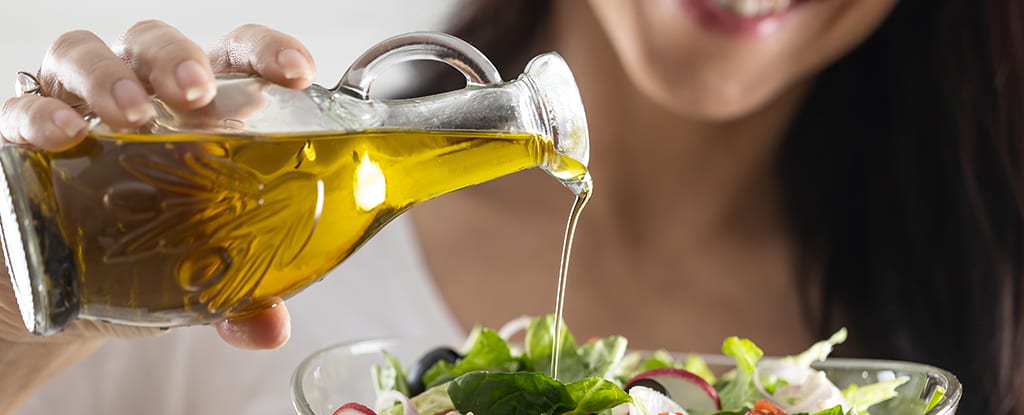
How Diet Might Influence Cancer: Spotlight on Linoleic Acid and Breast Cancer
There’s growing evidence showing that what we eat can impact how our bodies respond to cancer. Scientists are particularly interested in the biological mechanisms—at both the cellular and molecular levels—that connect diet to cancer development. This knowledge could help shape better dietary recommendations and deepen our understanding of cancer prevention.
A recent study has added to this conversation by revealing a possible molecular link between linoleic acid—a common fat in many cooking oils—and aggressive forms of breast cancer. While these findings are important, they also need to be interpreted carefully to avoid unnecessary panic and to provide helpful guidance.
What is Linoleic Acid?
Linoleic acid is an omega-6 fatty acid found in large amounts in oils like soybean, sunflower, and corn oil. Researchers at Weill Cornell Medicine in New York discovered that this fatty acid can directly activate a growth pathway in triple-negative breast cancer (TNBC) cells—a particularly aggressive subtype of breast cancer with limited treatment options.
TNBC makes up about 15% of all breast cancer cases. The researchers found that linoleic acid binds to a protein called FABP5 (fatty acid-binding protein 5), which is present at high levels in these cancer cells. This interaction activates a key growth-regulating pathway called mTORC1, promoting tumor growth. This was observed in both lab and animal studies.
Mice fed a diet high in linoleic acid developed larger tumors, suggesting that dietary intake may play a role in cancer progression. The study also detected higher levels of FABP5 and linoleic acid in blood samples from TNBC patients, strengthening the case for a biological link. There are even indications that the same mechanism could be involved in other cancers, like prostate cancer.
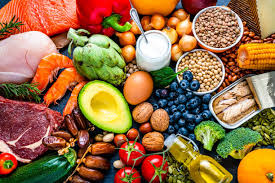
A Balancing Act
It’s important to remember that linoleic acid is an essential fatty acid, meaning our bodies need it and must get it from food. It plays crucial roles in skin health, cell structure, and inflammation regulation. However, modern diets often contain too much omega-6 (like linoleic acid) and not enough omega-3 (found in fish, flaxseeds, and walnuts), which can disrupt balance.
This study suggests that linoleic acid might drive cancer growth in certain contexts. This challenges earlier research, including a 2023 meta-analysis of over 350,000 women, which found no overall link between linoleic acid and breast cancer risk.
The difference likely lies in the details. Not all breast cancers are the same, and individual factors—like FABP5 levels—can make a big difference. Some studies have even suggested that linoleic acid might be protective, further emphasizing the need for context.
No Need to Panic
It’s easy for media headlines to oversimplify complex research. This new study does not mean that cooking oils cause cancer. Far from it. Many factors—including genetics, overall diet, and environmental exposures—also play major roles.
There’s no need to completely avoid seed oils, but it may be wise to consume them in moderation, especially for those at higher risk. Oils like olive oil, which contain less linoleic acid and more stable fats, may be better choices for cooking at high temperatures.
A broader solution is to focus on a healthy, balanced diet. Eating more fruits, vegetables, whole grains, nuts, and low-fat dairy has been linked to healthier aging. A long-term Harvard study of over 100,000 people found that diets rich in these foods were associated with fewer chronic illnesses and better overall function into old age.
Health organizations like the World Cancer Research Fund still support moderate use of vegetable oils and highlight obesity—not specific fats—as the leading dietary risk factor for cancer.
The Bigger Picture
This study adds an important piece to the puzzle of how dietary fats influence cancer. Linoleic acid’s role in triple-negative breast cancer is a meaningful discovery, but it’s just one part of a very complex issue. Maintaining a balanced, whole-food-based diet remains one of the best strategies for cancer prevention—a step anyone can take toward better long-term health.
About the Creator
Md Asif al hadi
A Lot is To Khow about this world,existance,humans,the unkhown is also yet to explore and am just here to give the least bit of khowledge to everyone
Enjoyed the story? Support the Creator.
Subscribe for free to receive all their stories in your feed.
Comments
There are no comments for this story
Be the first to respond and start the conversation.