
Thirteen Migrants Die After Boat Sinks Off Crete: Mediterranean Sea Tragedy Raises Fresh Concerns About Dangerous Migration Routes
A devastating Mediterranean tragedy leaves 14 people dead after a migrant boat sinks near Crete, raising fresh concerns about dangerous sea crossings, human smuggling and Europe's ongoing migration crisis.
Thirteen Migrants Die After Boat Sinks Off Crete: Mediterranean Sea Tragedy Raises Fresh Concerns About Dangerous Migration Routes
A devastating migrant boat tragedy off the Greek island of Crete has once again highlighted the dangers faced by people attempting to reach Europe through the Mediterranean Sea. Greek authorities recovered 13 bodies from a migrant boat on Monday, November 9, 2026, while several survivors were rescued during an emergency operation.
The incident has attracted international attention and renewed concerns about unsafe sea crossings, human trafficking networks and the growing humanitarian challenges facing European countries.
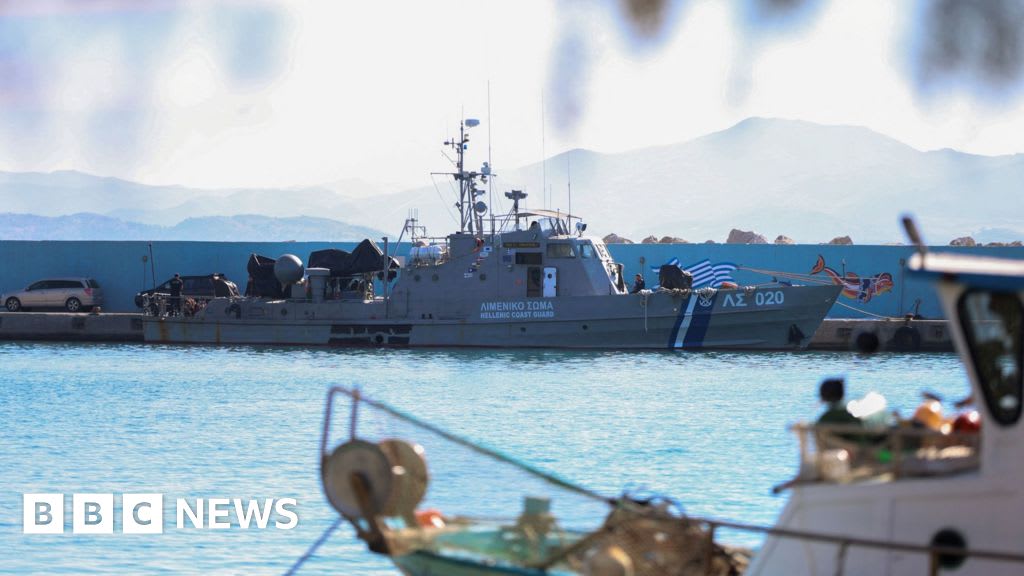
According to the Greek Coast Guard, a Morocco-flagged cargo ship spotted the migrant boat approximately 15 nautical miles from the southern coast of Crete. The discovery triggered an emergency response involving maritime rescue personnel.
One of the 18 people initially rescued later died at a health centre, bringing the reported death toll from this incident to 14. The circumstances surrounding the deaths remain under investigation.
How the Deadly Boat Incident Happened
The tragedy unfolded in the waters south of Crete, where a small boat carrying migrants was discovered by a passing commercial vessel.
The cargo ship alerted the relevant maritime authorities after noticing the vessel in difficulty. Greek Coast Guard personnel subsequently coordinated the rescue operation and recovered the people aboard.
Thirteen bodies were recovered from the boat, while 18 survivors were initially rescued. Unfortunately, one survivor later died after being taken for medical treatment.
Authorities have not immediately established the exact cause of the deaths. Initial information suggested that the boat may have remained at sea for several days, leaving passengers exposed to difficult conditions and limited supplies.
The identities and nationalities of those who died were not immediately confirmed in the initial reports.
Rescue Operations Involve Greek Authorities and Frontex
The incident was part of a wider series of migrant rescue operations around Crete.
Greek maritime authorities and the European Border and Coast Guard Agency, Frontex, were involved in separate operations to locate and rescue people travelling in other boats south of the island.
Two additional boats carrying approximately 47 and 40 people were located during the operations. European border agency aircraft and vessels assisted in identifying and rescuing the passengers.
These separate operations demonstrated the scale of maritime activity in the region and the importance of cooperation between national coast guards and European agencies.
The rescue teams faced the difficult responsibility of protecting vulnerable people while managing several incidents across a large maritime area.
Why Are Migrants Travelling Towards Crete?
Crete has become an important destination along the eastern Mediterranean migration route.
Many migrants attempt to travel from Libya towards Greece in search of safety, employment and better living conditions. People making these journeys come from different countries and backgrounds, including regions affected by armed conflict, political instability and economic hardship.
For some families, reaching Europe represents an opportunity to escape dangerous circumstances and build a more secure future.
However, the journey across the Mediterranean can be extremely dangerous. Migrants often depend on overcrowded boats that may lack proper safety equipment, sufficient fuel and reliable navigation systems.
When engines fail or weather conditions deteriorate, passengers can become stranded far from the coast without access to drinking water or emergency assistance.
The Role of Human Smuggling Networks
Human smuggling remains a serious concern along migration routes connecting North Africa with southern Europe.
Criminal networks sometimes organise dangerous crossings using small boats that are unsuitable for long-distance sea travel. Passengers may pay substantial amounts of money without receiving any guarantee of safe transportation.
In some cases, migrants are abandoned at sea when boats experience mechanical problems or run out of fuel.
These activities create serious risks for vulnerable people and place additional pressure on maritime rescue organisations.
European authorities continue working to identify smuggling networks, investigate organised criminal activity and prevent further loss of life.
However, stopping dangerous crossings requires more than border enforcement. International cooperation, humanitarian assistance and efforts to address the conditions forcing people to leave their homes are also important.
Mediterranean Migration Crisis Continues
The latest tragedy highlights the continuing challenges associated with migration across the Mediterranean.
Greece has historically served as an important entry point into Europe for people fleeing conflict, persecution and poverty. Although migration figures can change throughout the year, the route from Libya towards Crete has become particularly significant.
According to Frontex figures reported in November 2026, approximately 31,800 irregular border crossings were recorded along the eastern Mediterranean route during the first nine months of the year.
Despite a decline compared with the previous year, dangerous sea journeys continue to place human lives at risk.
The numbers represent more than statistics. Behind every crossing are individuals, families and children hoping to find safety and stability.
The Humanitarian Impact of the Tragedy
For families waiting for news about missing relatives, incidents like this create enormous emotional suffering.
Survivors may also experience physical injuries, exhaustion, dehydration and psychological trauma after spending extended periods at sea.
Medical assistance, shelter and psychological support are essential for people rescued from dangerous maritime journeys.
Authorities must also work to identify deceased passengers and inform their families through appropriate procedures.
Humanitarian organisations regularly emphasise the importance of protecting human dignity and ensuring that people in distress at sea receive assistance regardless of their nationality or migration status.
Conclusion
The deadly migrant boat incident off Crete is another painful reminder of the risks associated with dangerous Mediterranean crossings.
The recovery of 13 bodies and the subsequent death of one rescued passenger demonstrate the human cost of these journeys. Meanwhile, additional rescue operations show that migration activity in the region continues to demand significant attention from Greek and European authorities.
Preventing future tragedies requires effective maritime rescue services, action against human smuggling networks and stronger international cooperation.
Above all, the incident should remind the international community that migration is not simply a political or border-security issue. It is also a humanitarian challenge involving human lives, families and the search for a safer future.
About the Creator
Enjoyed the story? Support the Creator.
Subscribe for free to receive all their stories in your feed.
Comments
There are no comments for this story
Be the first to respond and start the conversation.