
The Rise of Drone Delivery Services: Revolutionizing Logistics and Beyond
Get Participate in Advanced Drone Exam in Canada

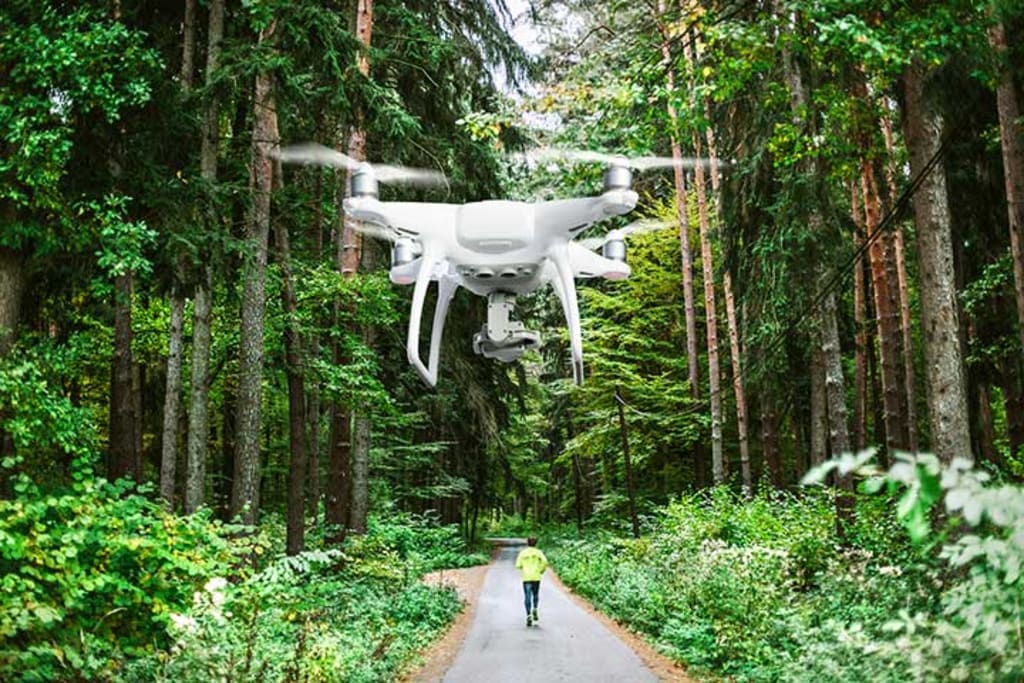
The logistics industry has long been a cornerstone of global commerce, connecting businesses and consumers through the movement of goods. However, as consumer expectations for faster and more efficient deliveries continue to rise, traditional methods are being challenged. Enter drone delivery services—a transformative innovation that is reshaping the logistics landscape. From e-commerce giants to healthcare providers, drones are becoming a vital tool for overcoming logistical challenges and meeting the demands of modern consumers.
1. The Evolution of Drone Delivery
Drone delivery services have progressed rapidly over the past decade. Initially conceived as a futuristic concept, these services are now operational in various parts of the world. Early trials focused on small-scale deliveries, such as food and medical supplies, but advancements in technology have expanded their capabilities to include larger payloads and longer distances.
Key milestones in the evolution of drone delivery include:
Initial Trials: Companies like Amazon and Google conducted early tests to demonstrate the feasibility of drone delivery.
Regulatory Approvals: Governments and aviation authorities, such as Transport Canada, have developed frameworks to enable safe and legal drone operations.
Commercial Deployments: Businesses in sectors like retail, healthcare, and logistics have launched pilot programs and full-scale services to deliver goods using drones.
2. How Drone Delivery Works
Drone delivery systems are designed to be efficient, reliable, and environmentally friendly. The process typically involves:
Order Placement: Customers place an order through a mobile app or website, selecting drone delivery as the preferred option.
Package Preparation: The package is loaded onto a drone at a distribution center or local hub.
Autonomous Navigation: The drone uses GPS and advanced sensors to navigate to the delivery location.
Package Drop-Off: Depending on the system, the package is either lowered to the ground via a tether or placed in a designated drop zone.
3. Applications Across Industries
While e-commerce is the most prominent use case, drone delivery services are making an impact across various industries:
- E-Commerce and Retail : Drones enable rapid delivery of online orders, particularly for last-mile logistics. Retailers can fulfill same-day or even same-hour deliveries, enhancing customer satisfaction and loyalty.
- Healthcare : In remote or underserved areas, drones are being used to deliver essential medical supplies, including vaccines, blood samples, and emergency medications. This capability is especially valuable during natural disasters or pandemics.
- Food and Beverage : Restaurants and food delivery platforms are using drones to provide faster service while reducing delivery costs. Hot meals and beverages can reach customers without delays caused by traffic congestion.
- Agriculture: Farmers use drones to transport samples, seeds, or small tools between locations on large farms, saving time and labor.
- Humanitarian Aid: Drones play a critical role in disaster relief, delivering aid to areas inaccessible by traditional means due to damaged infrastructure or hazardous conditions.
4. Benefits of Drone Delivery Services
The adoption of drone delivery services offers numerous advantages:
- Speed and Efficiency: Drones bypass traffic and other obstacles, ensuring faster deliveries. This is particularly beneficial for urgent shipments, such as medical supplies or time-sensitive e-commerce orders.
- Cost Savings: By reducing reliance on traditional vehicles and drivers, drones can lower operational costs for businesses. They also minimize fuel expenses and maintenance costs associated with ground transportation.
- Environmental Sustainability: Drones are typically powered by electricity, producing fewer emissions than trucks or vans. This aligns with global efforts to reduce the carbon footprint of the logistics industry.
- Accessibility : Drones can reach remote or hard-to-access areas, providing services to communities that were previously underserved. This includes mountainous regions, islands, and areas with poor infrastructure.
5. Challenges and Limitations
Despite their potential, drone delivery services face several challenges that must be addressed:
- Regulatory Hurdles : Governments and aviation authorities have stringent regulations governing drone operations, including flight restrictions, airspace management, and safety requirements. Navigating these regulations can be complex.
- Payload and Range Limitations : Current drone technology has limitations in terms of payload capacity and flight range. These constraints restrict the types and quantities of goods that can be delivered.
- Weather Dependency: Drones are vulnerable to adverse weather conditions, such as strong winds, heavy rain, or extreme temperatures, which can affect their performance and reliability.
- Public Acceptance : Concerns about privacy, noise, and safety may hinder widespread adoption. Companies must address these concerns to gain public trust and acceptance.
6. The Future of Drone Delivery
The future of drone delivery services is bright, with ongoing advancements poised to overcome current limitations and unlock new possibilities. Key developments on the horizon include:
- Improved Technology : Innovations in battery life, payload capacity, and autonomous navigation will enable drones to handle larger shipments and travel longer distances.
- Urban Integration : As cities embrace smart infrastructure, drones will be integrated into urban logistics networks, using dedicated air corridors and landing zones to streamline operations.
- Collaboration with Other Technologies : Drones will work alongside other technologies, such as autonomous ground vehicles and artificial intelligence, to create seamless and efficient logistics ecosystems.
- Expanded Applications : Beyond delivery, drones may be used for inventory management, warehouse automation, and even in-store customer service, further transforming the logistics industry.
Conclusion
Drone delivery services are revolutionizing logistics by offering faster, more efficient, and sustainable solutions. From e-commerce to healthcare, their applications are diverse and impactful, addressing challenges that traditional methods cannot. While hurdles remain, ongoing technological advancements and regulatory support are paving the way for widespread adoption. As drones become an integral part of the logistics landscape, they promise to redefine how goods are transported and delivered, ushering in a new era of innovation and efficiency. Get in touch with us if you are looking for transport canada advanced drone exam, and transport canada advanced drone license.
About the Creator
The Canadian Drone Institute
The Canadian Drone Institute provides top-tier drone pilot training for aspiring professionals. With a focus on safety, regulations, and hands-on flying experience, the institute offers comprehensive courses designed to equip students...
Enjoyed the story? Support the Creator.
Subscribe for free to receive all their stories in your feed.
Comments
There are no comments for this story
Be the first to respond and start the conversation.