
The Importance of Cleanliness
Teaching Children with Patience and Love
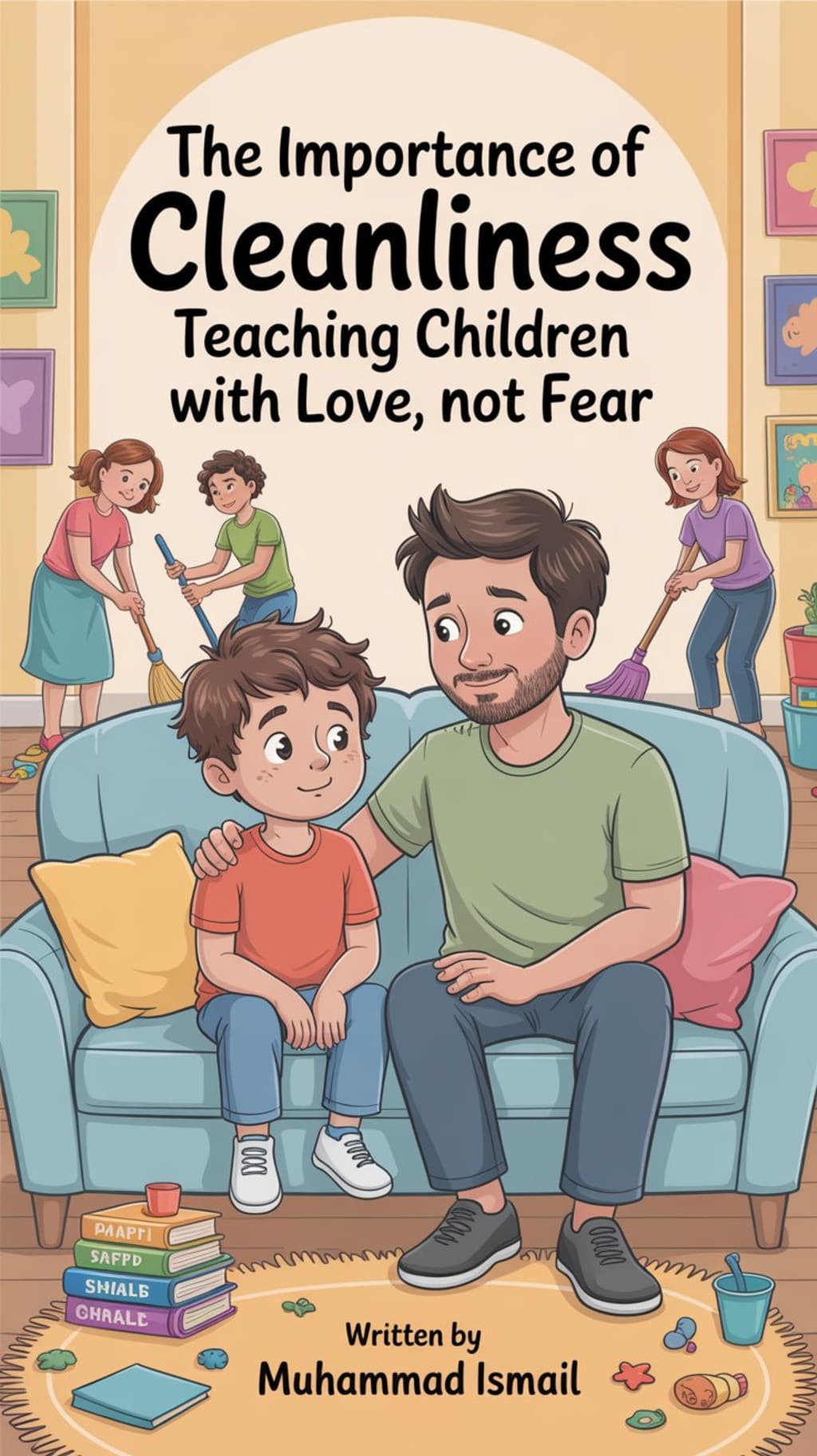
In a peaceful village, surrounded by rolling hills and green meadows, there was a small school where children from all over the village came to learn. The school was bright and colorful, filled with laughter, learning, and endless curiosity. But among all the lessons that Mrs. Green, the teacher, taught, there was one lesson that stood out: the importance of cleanliness.
Mrs. Green was known for her warm heart and patient nature. She was the kind of teacher who not only taught from books but also taught life lessons. Every day, as the children gathered in the classroom, she would greet them with a smile and remind them of the most important rule: "Cleanliness is the key to a healthy, happy life."
One bright Monday morning, Mrs. Green noticed something troubling. The classroom, which was usually spotless, was messy. The floor was covered with bits of paper, some students had food crumbs on their desks, and a few had forgotten to wash their hands before entering. She paused for a moment, taking in the scene, and then smiled gently.
"Alright, children," she said, clapping her hands to get their attention. "Today, we are going to talk about something very important—cleanliness. But we won’t just talk about it, we are going to learn how to keep our space clean and why it matters."
The children looked at her curiously. Cleanliness was something they had heard about many times, but it hadn’t seemed that important. "Why is cleanliness so important, Mrs. Green?" asked little Emma, a curious girl sitting in the front row.
Mrs. Green smiled warmly. "Cleanliness isn’t just about keeping our surroundings neat, Emma. It’s about showing respect—for ourselves, for others, and for the world around us. When we keep things clean, we create a healthy environment, and that makes everyone feel good."
The children nodded, still unsure of how something as simple as tidying up could be so important. Mrs. Green could see that they needed a little more guidance, so she decided to take them on a special journey to help them understand.
"Let’s take a walk outside," she suggested. "There’s something I want to show you."
The children eagerly followed her outside, where a beautiful garden lay behind the school. It was Mrs. Green’s pride and joy. The garden was always vibrant with flowers of every color, birds chirped happily in the trees, and the air smelled fresh and clean. It was a place of peace, where children often came to play and think.
"Do you see this garden?" Mrs. Green asked. "It’s beautiful because it’s well taken care of. Every flower, every tree, every little stone is placed carefully. This garden thrives because it’s nurtured and loved. If we didn’t care for it, the weeds would overtake it, and the flowers would wither away."
The children looked around, taking in the beauty of the garden. Some of them even knelt to touch the soft petals of the flowers.
"Now, imagine if this garden were left messy—if trash were scattered on the ground, if the flowers weren’t watered, and if the leaves were never picked up. How would it look then?"
The children frowned. "It wouldn’t be as nice," said Ben, one of the older boys.
"Exactly," Mrs. Green replied. "And just like the garden, our classrooms, our homes, and even our bodies need care and attention. Cleanliness helps everything grow and thrive."
The children now began to see the lesson taking shape. Mrs. Green didn’t just want them to clean for the sake of tidiness; she wanted them to understand that cleanliness was a way of showing respect for the things they cherished. Whether it was their classroom, their home, or the earth, taking care of these things was a way of saying, "I appreciate you."
Later that afternoon, Mrs. Green gathered the children in the classroom. "I want you to each take a moment and clean your desk. Wipe off any crumbs, organize your books, and make sure everything is in its place. Remember, this is not just about making things look nice; it’s about caring for your space and making it a place where you can learn and grow."
The children eagerly set to work. Emma carefully wiped down her desk with a cloth, while Ben picked up the papers scattered on the floor. The classroom soon became neat and orderly, and a sense of pride filled the air. As they finished, Mrs. Green smiled at them.
"Look around," she said. "Doesn’t it feel good to be in a clean space?"
The children nodded enthusiastically. They felt proud of what they had accomplished.
"Now, you’ve learned something important," Mrs. Green continued. "Cleanliness isn’t just about looking nice. It’s about taking care of yourself, your friends, and the world around you. And the more we practice it, the better we feel."
From that day forward, the children took greater care in keeping their classroom and their surroundings clean. They understood that cleanliness was not just a rule, but a way of showing love and respect to everyone they interacted with. It was a lesson that, with Mrs. Green's patience and kindness, they would carry with them for the rest of their lives.
And so, the village flourished, not just because it was clean, but because its people—young and old—understood the deeper value of cleanliness: respect, care, and love for all things. And that made it a place of true beauty.
About the Creator
Enjoyed the story? Support the Creator.
Subscribe for free to receive all their stories in your feed.
Comments
There are no comments for this story
Be the first to respond and start the conversation.