
The Impact of Inflation
Your Savings and Investments
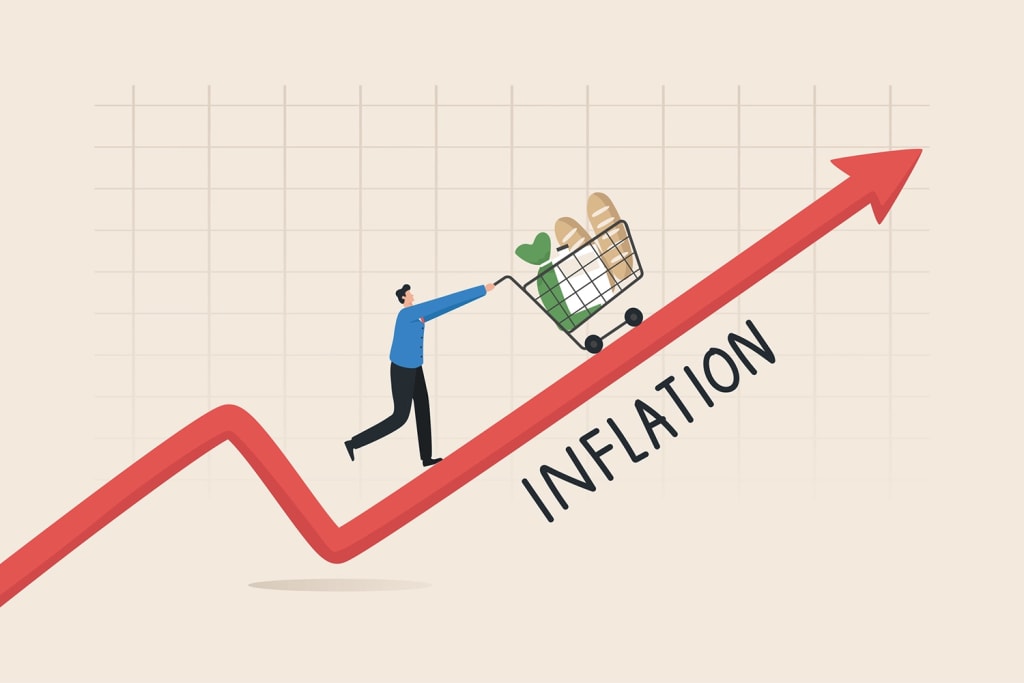
Inflation is an inevitable force that affects our economy and, consequently, our personal finances. It erodes the purchasing power of our money over time, making it crucial to understand its impact on savings and investments. In this article, we will explore the effects of inflation and provide practical strategies to help you combat its detrimental effects, ensuring the growth and preservation of your hard-earned money.
Understanding Inflation:
Inflation refers to the gradual increase in the prices of goods and services over time. When inflation occurs, the same amount of money can buy fewer goods or services than before. This means that if your savings and investments are not growing at a rate equal to or higher than the inflation rate, you could be losing money in real terms.
The Impact on Savings:
Savings stored in traditional savings accounts or under the mattress may seem safe, but the reality is that their value diminishes over time due to inflation. Let's say you have $10,000 saved today, and the annual inflation rate is 3%. In a year's time, you would need $10,300 to have the same purchasing power as your initial $10,000. If your savings don't keep up with inflation, you effectively lose the opportunity to buy the same amount of goods and services.
Real-Life Example: Sarah has been diligently saving for a down payment on a house. However, over the years, inflation has eroded the purchasing power of her savings. Despite saving $50,000, she realizes that it's not enough to afford the home she desired due to rising housing prices caused by inflation.
The Impact on Investments:
Inflation also affects investments, including stocks, bonds, and mutual funds. While these investments have the potential to outpace inflation and generate returns, it's essential to choose wisely. Some investments may not keep pace with inflation, resulting in the erosion of purchasing power and a loss of real value.
Real-Life Example: Tom invested in a bond with a fixed interest rate of 2%. However, inflation is at 3%. Although Tom is receiving interest income, his purchasing power is still declining because the return on his investment is lower than the inflation rate.
Strategies to Combat Inflation:
1. Diversify Your Investments: Spread your investments across different asset classes, such as stocks, bonds, real estate, and commodities. Diversification helps mitigate the impact of inflation by potentially capturing higher returns from investments that outperform the inflation rate.
2. Invest in Stocks: Historically, stocks have shown the ability to outpace inflation over the long term. Companies have the flexibility to adjust prices, increase profits, and grow their businesses, which can help investors stay ahead of inflation.
3. Consider Inflation-Indexed Investments: Some investments, like Treasury Inflation-Protected Securities (TIPS) or inflation-indexed annuities, are specifically designed to protect against inflation. These investments adjust their returns based on changes in the inflation rate, helping to preserve purchasing power.
4. Increase Income-Generating Investments: Look for investments that generate income, such as dividend-paying stocks or rental properties. Regular income streams can help counter the effects of inflation and provide a steady cash flow.
5. Regularly Review and Adjust: Monitor your investments and make adjustments as needed. Rebalancing your portfolio, reallocating assets, and staying informed about market trends can help you adapt to changing economic conditions and combat the impact of inflation.
Conclusion:
Inflation is an influential factor that can erode the value of your savings and investments over time. By understanding its impact and implementing strategies to combat inflation, you can protect your financial future. Diversification, investing in stocks, considering inflation-indexed investments, increasing income-generating investments, and regularly reviewing your portfolio are essential steps in mitigating the effects of inflation and ensuring the growth and preservation of your wealth. Remember, being proactive and informed is the key to overcoming the challenges posed by inflation and securing a brighter financial future.
About the Creator
Enjoyed the story? Support the Creator.
Subscribe for free to receive all their stories in your feed.
Comments
There are no comments for this story
Be the first to respond and start the conversation.