
The Friend Everyone Called at 2 A.M.
The people who teach others how to survive are often the ones drowning completely alone.
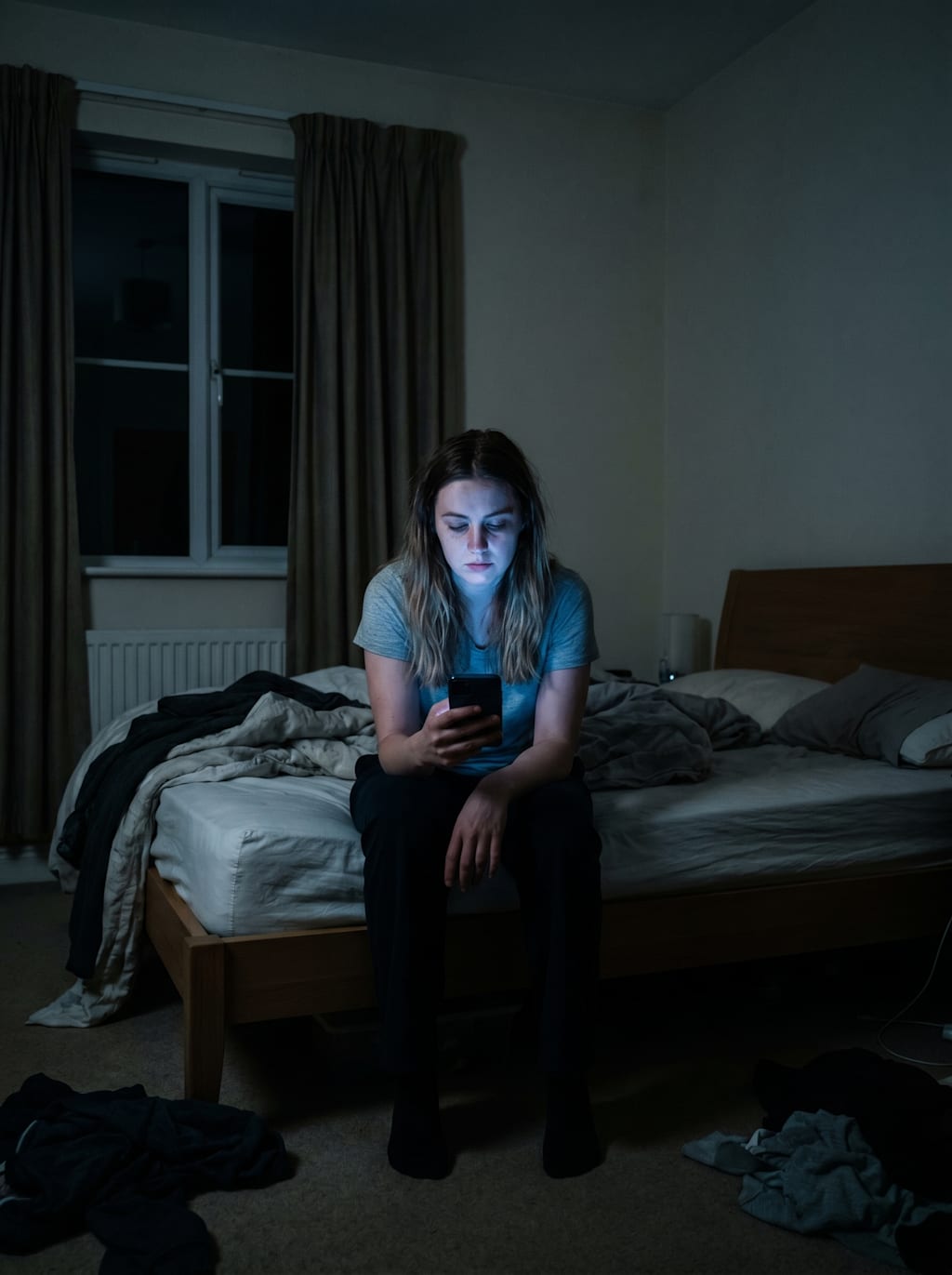
For years, I was the person everyone called when life started falling apart. A friend going through a painful breakup? They called me. Someone overwhelmed by anxiety before an important exam? They called me. A family member struggling with grief? They called me. A person who felt lost, hopeless, or completely broken? Somehow, they always found my number. And I always answered. I listened for hours. I stayed awake through the night. I helped people untangle problems that seemed impossible. I knew how to calm panic, how to encourage hope, and how to make someone feel less alone. People often told me I had a gift. They said I was strong. They said I always knew the right thing to say. What nobody knew was that while I was helping everyone else survive their darkest moments, I was slowly losing myself. For four months, I rarely slept more than two hours a night. At first, it didn't seem like a big deal. Everyone has occasional sleepless nights. I assumed it would pass. But it didn't. Every night followed the same pattern. I would lie down, close my eyes, and wait for sleep to come. Instead, my mind would begin racing. Thoughts about work. Thoughts about money. Thoughts about mistakes I made years ago. Thoughts about the future. Thoughts about people I cared about. The silence of the night became a battlefield where every fear I had ever buried came back to life. Hours passed. Midnight became 2 A.M. 2 A.M. became 4 A.M. Then the alarm would ring. I would get up, wash my face, force a smile, and pretend everything was normal. The strange thing about emotional exhaustion is that it often hides behind a functioning life. I still showed up. I still completed my responsibilities. I still answered messages. I still laughed at jokes. From the outside, nothing seemed wrong. People saw someone dependable. What they didn't see was the constant fatigue behind my eyes. They didn't see the loneliness. They didn't see the nights spent staring at the ceiling wondering why my own advice never seemed to work for me. Sometimes my phone would light up at midnight. A friend needed comfort. Another person needed guidance. Someone else was having a panic attack. I would spend an hour helping them feel better. I would remind them that they mattered. I would tell them to be patient with themselves. I would encourage them to ask for help when they needed it. Then the conversation would end. The room would become quiet again. And I would sit there thinking about how none of those words felt possible for me. I could offer compassion to everyone except myself. I could recognize pain in others instantly, but I treated my own pain like an inconvenience. I told myself I just needed to be stronger. I told myself other people had bigger problems. I told myself I would deal with it later. But later never came. Instead, the exhaustion kept growing. The lack of sleep affected everything. Simple tasks felt difficult. My concentration disappeared. Small problems felt enormous. Even activities I once enjoyed began to feel meaningless. Yet I kept pretending. I thought strength meant carrying everything alone. I thought asking for help would somehow make me weaker. Looking back, I realize how many people believe the same thing. The friend who always checks on everyone else. The person who constantly makes others laugh. The coworker who seems calm under pressure. The family member who never complains. Many of them are carrying burdens nobody knows about. Sometimes the people who appear strongest are simply the most skilled at hiding their struggles. They become experts at wearing masks. Not because they want to deceive anyone. But because they are afraid of becoming a burden. I was one of those people. Then one afternoon, everything caught up with me. There was no dramatic event. No tragedy. No shocking news. I was simply sitting alone in my car after another exhausting day. Suddenly, the emotions I had been suppressing for months refused to stay hidden. I started crying. Not the kind of crying that lasts a minute or two. The kind that comes from complete exhaustion. The kind that appears when a person has been carrying too much weight for far too long. In that moment, I realized something important. I had spent years teaching other people how to survive difficult seasons of life. But I had never given myself permission to do the same. I expected myself to be available for everyone. I expected myself to remain strong all the time. I expected myself to handle every challenge alone. Those expectations were crushing me. That day became a turning point. For the first time, I admitted that I wasn't okay. Not publicly. Not dramatically. Just honestly. I reached out to people I trusted. I told them what had been happening. I told them about the sleepless nights. The anxiety. The exhaustion. The loneliness. And something surprising happened. Nobody judged me. Nobody criticized me. Nobody saw me as weak. Instead, they listened. The same way I had listened to others for years. They reminded me that support is not something we earn through perfection. It is something we deserve simply because we are human. Healing didn't happen overnight. There was no magical moment where everything suddenly became easy. Recovery was slow. Some nights were still difficult. Some days still felt heavy. But little by little, things improved. Most importantly, I stopped pretending that I could carry everything by myself. Today, I still answer the phone when people need me. I still care deeply about helping others. But I have learned an important lesson. Being strong does not mean ignoring your own suffering. Being strong does not mean handling every problem alone. And being strong certainly does not mean sacrificing your wellbeing to save everyone else. Real strength is honesty. Real strength is vulnerability. Real strength is having the courage to say, "I need help too." Because the people who teach others how to survive are still human. They still get tired. They still struggle. They still need support. And sometimes, the strongest person in the room is the one brave enough to admit they are hurting. That is not weakness. That is the beginning of healing.
About the Creator
Enjoyed the story? Support the Creator.
Subscribe for free to receive all their stories in your feed.
Comments
There are no comments for this story
Be the first to respond and start the conversation.