
The Enigmatic Cobra: King of the Serpents
Understanding the Life, Behavior, and Importance of Cobras in Nature

Introduction
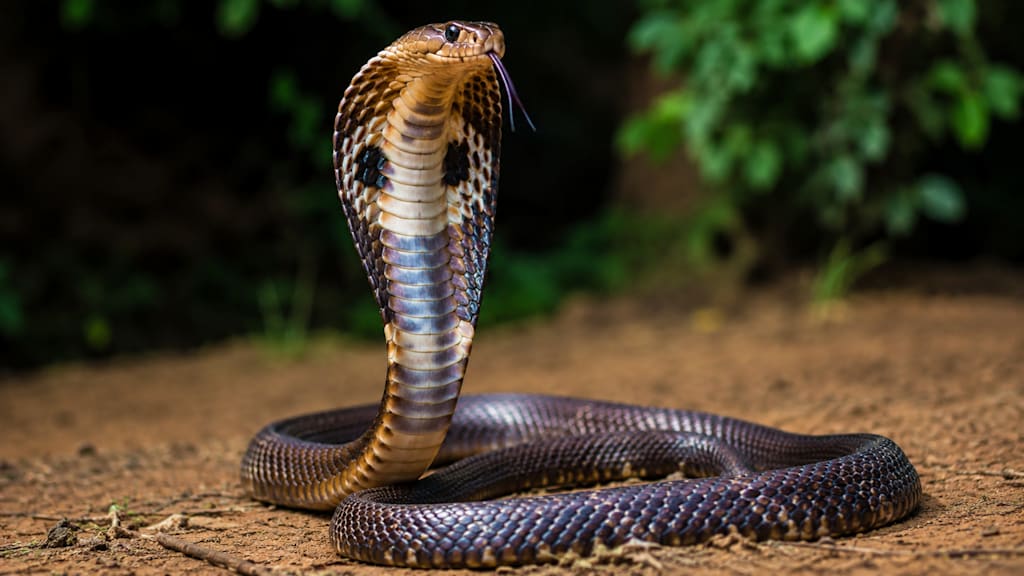
Cobras are among the most iconic and fascinating snakes in the world. Known for their hooded appearance and deadly venom, these serpents have captured human imagination for centuries. They are found across Asia and Africa, inhabiting a variety of environments, from forests and grasslands to wetlands and deserts. Cobras are not only predators but also important parts of the ecosystem, helping control populations of small animals and maintaining ecological balance. Despite their fearsome reputation, cobras are often shy creatures that avoid humans whenever possible.
Physical Characteristics
Cobras have a distinctive appearance that makes them easily recognizable. They are known for their expandable hood, which they spread when threatened to appear larger and more intimidating. Cobras can range in length from about 3 feet (1 meter) to over 13 feet (4 meters) depending on the species. Their color varies widely, from shades of brown, black, and yellow to more exotic patterns in some species. Their smooth, shiny scales reflect light, giving them an almost regal appearance.
One of the most remarkable features of cobras is their venomous fangs. They have specialized hollow fangs through which they inject venom into their prey. Cobra venom is a complex mixture of neurotoxins and cytotoxins, which can paralyze or kill their prey quickly. While bites to humans can be dangerous and sometimes fatal, cobras generally bite only in self-defense.
Behavior and Diet
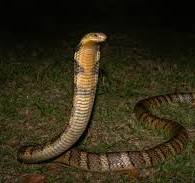
Cobras are primarily carnivorous, feeding on a variety of animals such as rodents, birds, frogs, and other snakes. They are active hunters and use their excellent sense of smell and sight to locate prey. Some species, like the King Cobra, have even been known to hunt other snakes, including venomous ones, making them formidable predators.
Cobras are generally solitary animals. They are most active during the day (diurnal), although some species may hunt at night. When threatened, a cobra will raise the front part of its body, spread its hood, and hiss loudly as a warning. If the threat persists, it may strike with its venomous bite. Despite their dangerous nature, cobras prefer to escape rather than fight whenever possible.
Reproduction
Cobras reproduce by laying eggs. Female cobras usually lay between 10 and 50 eggs, depending on the species. Some cobras, like the King Cobra, are unusual among snakes because the female will guard her eggs until they hatch, providing protection from predators. The incubation period varies with species and temperature but generally lasts around 60 to 80 days. After hatching, young cobras are independent and must immediately fend for themselves.
Habitat and Distribution
Cobras are widely distributed across Asia and Africa. They thrive in a variety of habitats, including forests, grasslands, agricultural areas, and near water bodies. Some species, like the Indian cobra, are commonly found near human settlements due to the abundance of food, such as rodents. Cobras are highly adaptable, which has allowed them to survive in areas affected by human activity, although habitat destruction remains a significant threat.
Cultural Significance
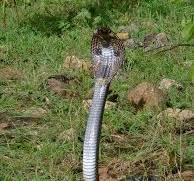
Cobras have held an important place in human culture and mythology for centuries. In India and Egypt, cobras are often associated with protection, power, and divine energy. In Hindu mythology, the cobra is linked to Lord Shiva and is seen as a symbol of strength and eternity. Snake charmers have long used the cobra’s hooded display in traditional performances, although this practice is now criticized for harming the snakes.
Conservation Status
While cobras are not currently considered endangered, certain species face threats due to habitat loss, hunting, and the illegal pet trade. Conservation efforts focus on habitat protection, anti-poaching measures, and educating people about the ecological importance of snakes. Cobras play a crucial role in controlling pest populations, which benefits agriculture and helps maintain natural balance. Protecting cobras is therefore essential not only for biodiversity but also for human well-being.
Conclusion
Cobras are fascinating creatures that combine beauty, intelligence, and danger in a unique way. From their iconic hood and deadly venom to their role in ecosystems and cultural symbolism, cobras continue to intrigue and inspire people worldwide. Understanding and respecting these serpents is vital for both human safety and wildlife conservation. By learning more about cobras and their behavior, humans can coexist with these magnificent snakes while ensuring their survival for future generations.
About the Creator
Niaz muhammad MUHAMMAD
I share my story of starting from zero learning freelancing and digital skills step by step. Here you’ll find online earning tips, real experiences, motivation, and simple guides to help beginners grow and succeed online.thanks read my list
Enjoyed the story? Support the Creator.
Subscribe for free to receive all their stories in your feed.
Comments
There are no comments for this story
Be the first to respond and start the conversation.