
The Day I Lost Everything and Finally Found Myself
It’s very amazing to know that you can discover yourself when in the middle of a storm.
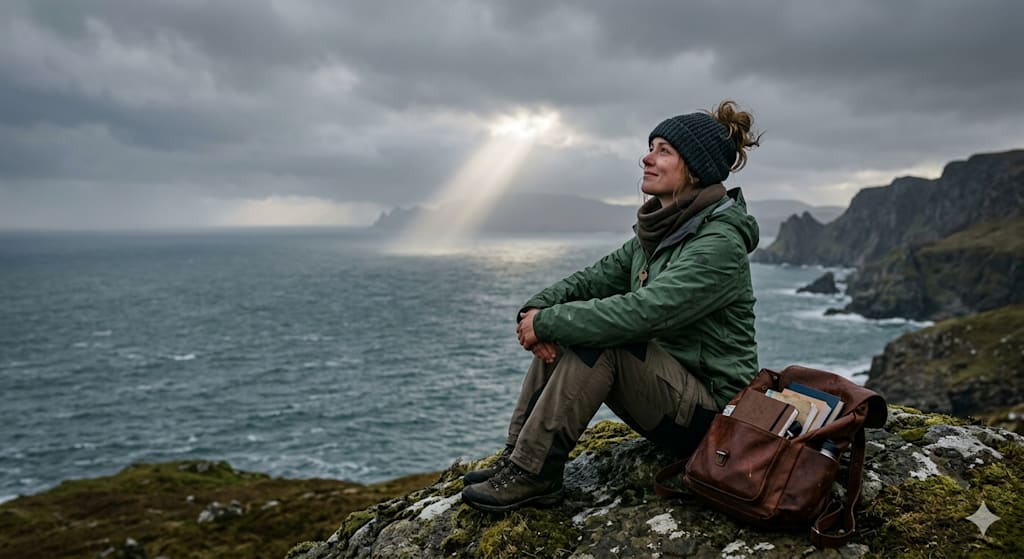
I remember sitting on the floor of my empty apartment, surrounded by boxes, wondering how I had let it all fall apart. The job was gone. The relationship was over. My savings had quietly bled out over six months of hope and denial. I was thirty-one years old and starting from zero.
People talk about "rock bottom" like it's a single moment — a dramatic crash. Mine was quieter. It was a Tuesday afternoon with no plans and no phone calls and the slow, awful realization that I had built my entire identity around things that could disappear.
"I had been so busy performing a version of success that I forgot to actually live."
I had a career that looked great on paper. A relationship that photographed well. An apartment in the right neighborhood. But beneath all of it, I was exhausted — running on obligation and fear. I had been so busy performing a version of success that I forgot to actually live.
Losing it all cracked something open. In the first weeks, the silence was unbearable. I filled it with podcasts, scrolling, anything to avoid sitting with myself. But slowly, something shifted. I started walking in the mornings — not for fitness, just to move. I picked up a journal I had abandoned years ago. I called old friends I'd been too busy to see.
What I found in that stripped-down version of my life surprised me. I was less anxious. I laughed more. I cooked meals and ate them slowly. I read books I actually enjoyed instead of books I felt I should read.
Rebuilding was not a triumphant montage. It was small, unglamorous work. A freelance project here. A new routine there. Learning to say no to things that drained me, and yes to things that felt true. I stopped chasing the life I thought I was supposed to want and started building the one that actually fit.
Two years later, I am not back to where I was — I am somewhere better. My income is steadier. My relationships are deeper. Most importantly, I am no longer afraid of stillness. I know now that the version of me who had everything was holding on too tight to notice how little of it actually mattered.
If you are in the middle of your own collapse right now, I want you to know: the floor is a starting point, not an ending. What you lose can reveal what you were never meant to carry. The rebuilding is slow, but it is real. And the person you become on the other side is worth the ruin.
If this story moved you, consider leaving a tip — it helps me keep writing honestly. Share it with someone who needs it today
The day I lost everything didn’t come with a warning—it arrived quietly, stripping away my plans, my confidence, and the version of myself I thought I needed to be. At first, it felt like failure had written my final chapter. But in the silence that followed the loss, I began to hear something new: my own voice, unfiltered and honest. Without the pressure to impress or the fear of losing more, I started rebuilding—not what I had, but who I was. I discovered strength in small steps, courage in uncertainty, and purpose in pain. What I once saw as an ending became a turning point, a moment that forced me to confront my fears and redefine my worth beyond titles, achievements, or possessions. Losing everything didn’t destroy me; it revealed me. It taught me that sometimes, life clears away what’s comfortable to make room for what’s true. And in that truth, I found clarity, resilience, and a deeper sense of direction. So if you ever find yourself at rock bottom, don’t rush to escape it—because sometimes, that’s exactly where you finally meet the strongest version of yourself.
About the Creator
Enjoyed the story? Support the Creator.
Subscribe for free to receive all their stories in your feed.
Comments
There are no comments for this story
Be the first to respond and start the conversation.