
The City That Forgot How to Sleep: Inside a 72-Hour Experiment in Eternal Night
Exploring the profound effects of perpetual darkness on urban life, sleep, and social behavior.
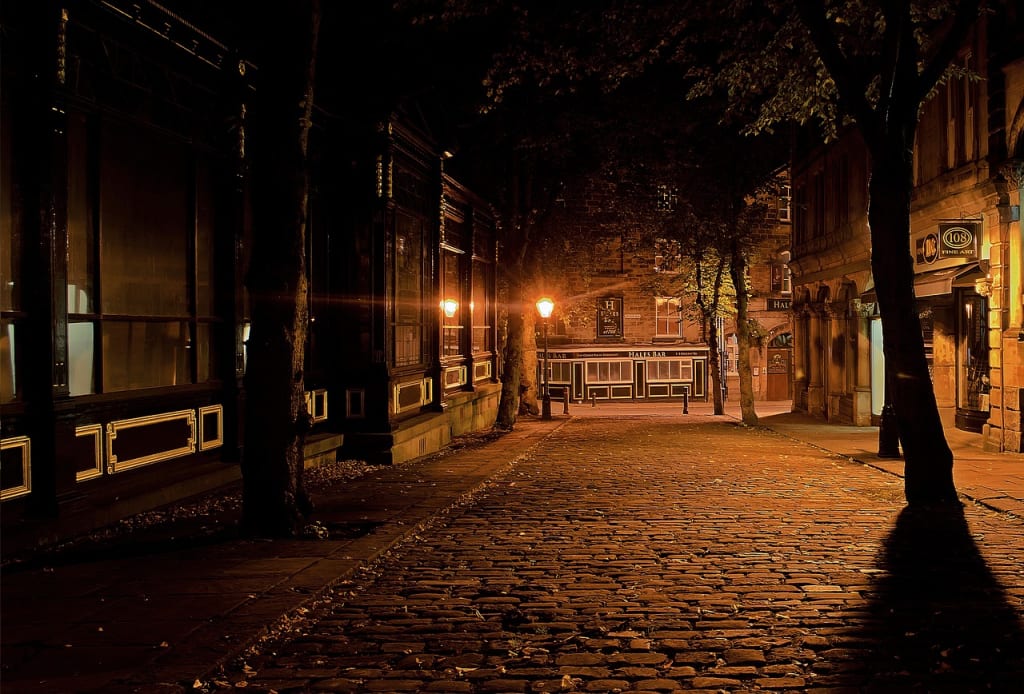
The City That Forgot How to Sleep: Inside a 72-Hour Experiment in Eternal Night
In a time of non-stop shifts and permanent attachments to digital life, it is rather rare for a city to get actual sleep. Still, in a bold attempt that captured the attention of many people, one city took human resilience to the extreme by simulating 72 hours of continuous night. Such a bold venture—an experiment in eternal darkness—it was supposed to provide not just insights on sleep deprivation but also on the psychological and social effects of artificial illumination. Results were as astonishing as they opened everyone's eyes to.
The Experiment
Its progressive stand on technological innovation as well as urban planning made the city turn off all its streetlights and public illumination—even the digital billboards that lit up its skyline. The city's residents and businesses would carry out their daily business for three full days under perpetual darkness. The trial had two purposes: to be engaged with the investigation of the effect of drawn-out murkiness on the human body and psyche and, simultaneously, to test how a cutting-edge city could get by in the event that its typical dependence on counterfeit light were to be nullified. In the examination, members followed an extremely severe routine: no fake light, no gadgets producing blue light, and every one of the indoor spaces were molded to recreate night conditions. From a scientific perspective, the experiment was part of an all-inclusive series of efforts to understand better what circadian rhythms are, how patterns of sleeping work, and more broadly, what urban lighting does to public health. The researchers looked to figure out, by disrupting the normal cycle of day and night, just how the absence of light affected productivity, mental health, or even social behavior.
Challenges and Adaptations
End. As things were, day-to-day schedules, which had in the past been very much entwined with the pattern of the sun, presently were a disengaged wreck. People were disoriented; nobody knew how to go about timekeeping in the days and nights that followed. Communities rallied around makeshift solutions: businesses installed battery-powered lamps, restaurants used candles, and people managed through their own internal clocks.As things were, day-to-day schedules, which had in the past been very much entwined with the pattern of the sun, presently were a disengaged wreck In any case, the shortfall of light was something beyond a strategic bother. It set off a scope of mental reactions, from elevated nervousness to an expanded feeling of separation. Social communications turned out to be more private yet likewise more abnormal as individuals changed in accordance with the obscured world around them. The detachment from innovation made a few inhabitants uncomfortable, while others encountered a feeling of independence from their typical computerized interruptions.
Effects on Sleep and Well-being
Maybe the most significant effect was on rest. The human body's interior clock depends vigorously on regular light, especially the blue light produced by the sun. Fake light, which has become universal in urban communities, disturbs the circadian cadence, making it harder for individuals to nod off around evening time and get up in the first part of the day. The trial, be that as it may, gave a potential chance to see how individuals' rest propensities developed without any counterfeit enlightenment. Strangely, numerous members announced further, more serene rest during the initial not many days, proposing that regular obscurity advanced more helpful rest. However, as time went on, rest designs turned out to be more sporadic. A few members battled with a sleeping disorder while others wound up unnecessarily tired during the daytime hours. The disturbance of their regular rhythms caused a scope of physical and mental side effects, featuring the fundamental job that light plays in managing the human body.
The City’s Social and Economic Shifts
Past rest, the trial additionally changed the city's social and monetary texture. Organizations that depended on the hustle of the city—24-hour cafés, retail outlets, and tech new businesses—experienced unexpectedly. Without the capacity to work typically, numerous organizations saw a lofty decrease in income. On the other side, a few ventures, similar to the wellness area, encountered a flood popular for evening time exercises like late-night yoga meetings and twilight runs. This shift additionally impacted the city's social texture. The absence of light drives individuals to frame nearer-woven networks. Neighbors who might, as a rule, stay in their condos currently think of themselves as outside, chatting with each other under the weak light of streetlights and home candles. It turned into a period of shared insight, where the connection between people developed further amidst vulnerability.
Conclusion
The 72-hour analysis in Everlasting Night uncovered a lot about the significant effect of fake lighting on present-day metropolitan life. While it demonstrated the way that people could adjust to haziness, it likewise featured the key role that light plays in directing both our physical and social prosperity. At last, the trial was a demonstration of the force of light to shape the beat of our lives and a sign of the equilibrium we should strike between our mechanical progressions and the regular world around us. In a world continually enlightened by counterfeit light, maybe the genuine illustration isn't the way we make due without it, yet by the way we figure out how to regard the evening.
About the Creator
Enjoyed the story? Support the Creator.
Subscribe for free to receive all their stories in your feed.
Comments
There are no comments for this story
Be the first to respond and start the conversation.