
The Best Weight Loss Diet Plan for Women
Weight Loss Diet Plan for Women

Outline:
• Introduction
• The importance of a simple and sustainable diet plan
• Overview of the content
• Introduction to the four main food categories: proteins, healthy carbs, healthy fats, and veggies
• Highlighting the importance of including each category in a weight loss diet
• Listing examples of proteins, healthy carbs, healthy fats, and veggies
• Introducing the concept of the perfect plate
• Explaining the proportions for a perfect plate: half veggies, quarter proteins, quarter healthy carbs, and added healthy fats
• Providing examples of perfect plates for both omnivores and vegetarians
• Discussing the importance of meal timing and finding a schedule that suits individual preferences
• Explaining the 4x4 meal plan: four meals every four hours
• Introducing intermittent fasting as an alternative meal timing approach
• Discussing the benefits of meal prep for weight loss
• Providing tips for efficient and quick meal prep
• Encouraging the use of shakes for busy individuals
• Emphasizing the importance of building sustainable habits
• Providing strategies for maintaining a healthy lifestyle
• Highlighting the success stories of women following sustainable weight loss plans
• Conclusion
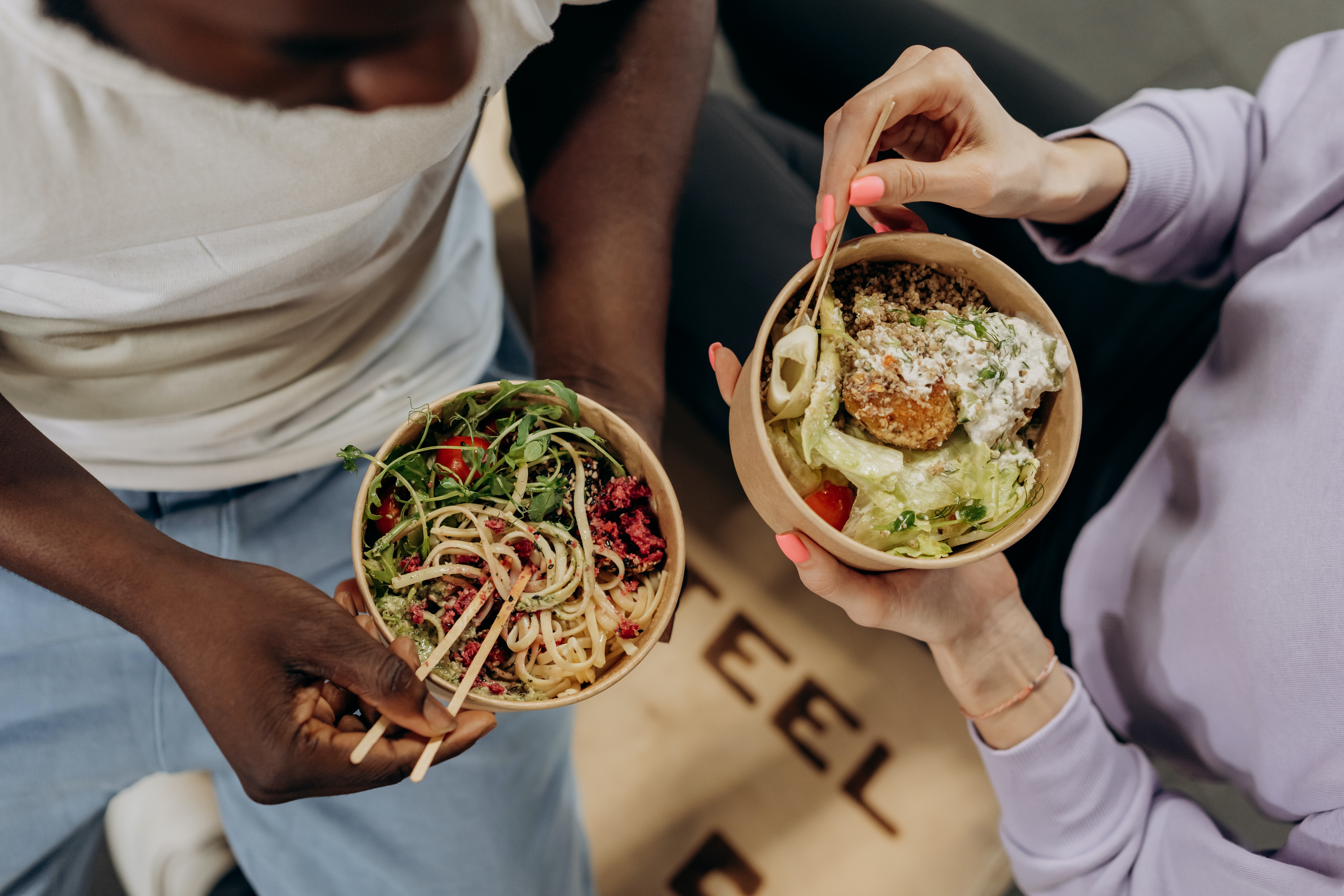
The Best Weight Loss Diet Plan for Women
Today, I'm excited to dive deep into the best weight loss diet plan for women, specifically for busy moms and working moms. If you're a woman looking to lose weight and have been frustrated with restrictive diets, this article is for you.
In this comprehensive guide, we will cover all the essential aspects of a successful weight loss plan. From the best weight loss foods to specific meal ideas, we will provide you with actionable ideas to make your weight loss journey simple, sustainable, and affordable.
Understanding the Four Categories of Foods
To create an effective weight loss diet plan, it's crucial to understand the four main categories of foods: proteins, healthy carbs, healthy fats, and veggies. Each category plays a significant role in providing essential nutrients and supporting weight loss.
Proteins are vital for building and repairing tissues, boosting metabolism, and keeping you feeling full. Some examples of protein sources include grass-fed ground beef, tin sardines, vegetarian options like chickpea-based burgers, pasture-raised eggs, and plant-based protein powder.
When it comes to healthy carbs, it's important to differentiate between the good and the bad. While processed carbs and sugars should be avoided, you can still enjoy healthy carbs while losing weight. Options such as sweet potatoes, organic strawberries, brown rice, sprouted Ezekiel bread, and various nuts and seeds can be incorporated into your weight loss diet.
Healthy fats are not the enemy; in fact, they play a crucial role in keeping you satiated and aiding in fat burning. Examples of healthy fats include nuts and seeds, extra virgin olive oil, avocados, and pasture-raised eggs.
Lastly, veggies are packed with essential vitamins, minerals, and fiber. Some recommended green veggies include broccoli, zucchinis, avocados, kale, and Swiss chard.
Building Perfect Weight Loss Meals
Now that we understand the four categories of food.
Building Perfect Weight Loss Meals
Now that we understand the four categories of foods, let's dive into building perfect weight loss meals. A key concept to keep in mind is the "perfect plate." The perfect plate consists of half veggies, a quarter of proteins, a quarter of healthy carbs, and a portion of healthy fats.
For example, an omnivorous perfect plate could include grilled chicken breast or salmon as the protein, steamed broccoli and roasted sweet potatoes as the veggies, quinoa as the healthy carb, and a drizzle of olive oil as the healthy fat.
For vegetarian or vegan options, you can substitute the protein with options like tofu, tempeh, lentils, or beans. The rest of the plate can remain the same, including a variety of colorful vegetables, a healthy carb like quinoa or brown rice, and healthy fats from sources like avocado or nuts.
Remember, portion control is important, so be mindful of the quantities you include on your plate. This will help you maintain a calorie deficit for weight loss while still providing your body with essential nutrients.
Meal Timing for Weight Loss
In addition to creating balanced meals, meal timing also plays a role in weight loss. Finding a meal timing schedule that suits your preferences and lifestyle is important. One effective approach is the 4x4 meal plan, which involves eating four meals every four hours. This approach helps regulate blood sugar levels and prevents excessive hunger or overeating.
Another popular approach is intermittent fasting, where you have a designated window of time for eating and a fasting window. Common intermittent fasting schedules include the 16:8 method (16 hours of fasting, 8-hour eating window) or the 5:2 method (eating normally for five days and restricting calories for two non-consecutive days).
Experiment with different meal timing approaches and find what works best for your body and lifestyle. Consistency is key.
Simplifying Meal Preparation
Meal preparation is a game-changer when it comes to staying on track with your weight loss goals. Spending a little time upfront to plan and prepare meals can save you time and make healthy eating more convenient.
Here are a few tips to simplify meal prep:
1. Plan your meals for the week: Set aside time each week to plan your meals, create a grocery list, and shop for the necessary ingredients.
2. Batch cook: Cook large batches of proteins, grains, and roasted vegetables that can be used for multiple meals throughout the week. This saves time and ensures you have healthy options readily available.
3. Pre-cut and wash veggies: Wash, chop, and store your veggies in airtight containers. This makes it easier to add them to your meals or grab them as a quick snack.
4. Use slow cookers or Instant Pots: These appliances are great for preparing meals with minimal effort. You can toss in ingredients in the morning and come home to a delicious, healthy meal in the evening.
5. Incorporate shakes: Shakes can be a convenient option for busy individuals. You can blend protein powder, fruits, vegetables, and healthy fats for a quick and nutritious meal on the go.
Sustaining Healthy Habits for Long-Term Weight Loss
Building sustainable habits is crucial for long-term weight loss success. Here are some strategies to help you sustain a healthy lifestyle:
1. Find enjoyable physical activities: Engage in activities that you genuinely enjoy, whether it's dancing, hiking, cycling, or swimming. Regular exercise not only supports weight loss but also improves overall health and well-being.
2. Practice mindful eating: Slow down and savor each bite. Pay attention to your body's hunger and fullness cues. Avoid distractions like screens while eating to fully appreciate your meals.
3. Stay hydrated: Drink plenty of water throughout the day. Sometimes, our bodies mistake thirst for hunger, so staying hydrated can help prevent unnecessary snacking.
4. Get enough sleep: Aim for 7-8 hours of quality sleep each night. Lack of sleep can disrupt hunger hormones and lead to increased cravings and overeating.
5. Seek support: Surround yourself with a supportive network of friends, family, or even online communities who share similar goals. Having a support system can provide accountability and motivation.
Conclusion
Remember, weight loss is a journey that requires patience, consistency, and self-compassion. Focus on making sustainable changes to your lifestyle rather than resorting to fad diets or extreme measures. By implementing these strategies, you can create a healthy relationship with food and achieve your weight loss goals in a sustainable manner.
About the Creator
Enjoyed the story? Support the Creator.
Subscribe for free to receive all their stories in your feed.
Comments
There are no comments for this story
Be the first to respond and start the conversation.