science
The Science Behind Relationships; Humans Media explores the basis of our attraction, contempt, why we do what we do and to whom we do it.
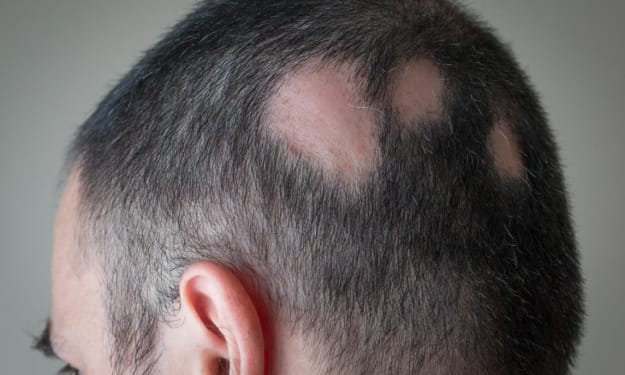
Alopecia Areata and Nutritional Deficiencies: Exploring the Link Between Diet and Autoimmune Hair Loss. AI-Generated.
Hair is more than just a cosmetic feature—it’s often seen as a symbol of health, youth, and identity. So, when someone begins to lose hair unexpectedly, it can be emotionally distressing and physically alarming. Among the many forms of hair loss, Alopecia Areata stands out due to its unpredictable and autoimmune nature. While genetic and environmental factors are known contributors, recent research points toward an important and often overlooked component—nutritional deficiencies.
By vijayan master's Ayurvedaabout a year ago in Humans
The AI Revolution in Medicine: How Artificial Intelligence is Changing Healthcare in 2025
Al elligence (AI) is advancing. From disease diagnosis to personalized treatment plans, AI is revolutionizing how doctors diagnose, treat, and prevent illnesses. As we move deeper into 2024, let us explore the latest AI developments that are revolutionizing healthcare—and what it means for doctors and patients. ### **1. AI-Powered Early Disease Diagnosis** One of the most exciting uses of AI is in the diagnosis of early disease. Technology giants such as **Google DeepMind** and **IBM Watson Health** have created algorithms that are able to identify diseases such as **cancer, diabetes, and heart disease** with remarkable precision—even before symptoms even occur. For example, AI algorithms trained on millions of medical scans are able to identify **early-stage tumors** that may go unnoticed by human radiologists. Hospitals are increasingly using these tools in 2024, leading to faster interventions and better survival rates. ### **2. Personalized Medicine: Treatment Tailored to Your DNA** Gone are those days of blanket medicine. AI now allows us to have **personalized treatment plans** depending on a patient's genetics, lifestyle, and medical history. Companies like **Tempus** and **23andMe** employ machine learning to interpret genetic data and suggest the best possible treatments for patients. In oncology, AI assists oncologists in forecasting which **chemotherapy medications** will be most effective for a particular type of cancer, minimizing trial-and-error methods and enhancing outcomes. ### **3. Virtual Health Assistants & Chatbots** AI-powered chatbots such as **ChatGPT-4o** and **Ada Health** are emerging as the initial point of contact for patients. Such virtual assistants are able to: - Investigate symptoms - Provide initial diagnoses - Make doctors' appointments - Provide mental health counseling These devices are reducing waiting lists and relieving pressures on health systems, especially in under-served communities, in 2024. ### **4. Robotic Surgery & AI-Assisted Procedures** Robotically assisted surgical platforms such as **Da Vinci Xi** and **Medtronic's Hugo** are AI-enabled now, making **less invasive, more accurate surgeries** possible. AI helps surgeons by: - Complication prediction in real-time - Controlling robotic arms with sub-millimeter precision - Minimizing recovery times Hospitals also report fewer surgical mistakes and quicker recoveries for patients due to these advancements. ### **5. Drug Discovery at Warp Speed** It usually takes **10-15 years** to create new medicines, but AI is shortening the time. **Insilico Medicine** and **BenevolentAI** are a few companies that use deep learning to: - Mimic drug interactions - Identify possible treatments for orphan diseases - Repurpose existing drugs for new indications In early 2024, an **Alzheimer's drug** designed with AI entered clinical trials—a feat that would have taken decades without machine learning. ### **Challenges & Ethical Concerns** In spite of everything, healthcare AI raises significant questions: - **Data Privacy:** Is the data of patients safe? - **Bias in AI:** Can algorithms exacerbate racial or gender inequalities? - **Regulation:** Who is at fault if AI gets something wrong? **AI ethics frameworks** are being constructed by governments and tech firms, although the debate continues to rage. ### **The Future of AI in Medicine** By 2030, AI will probably be **part of every aspect of healthcare**, ranging from simple check-ups to complicated surgeries. The challenge will be how to combine innovation with ethics and patient safety. One thing is certain: **AI is not replacing physicians—it's empowering them** to provide quicker, brighter, and more empathetic care.### **Conclusion: The Future of AI in Healthcare – A Double-Edged Sword?** Artificial intelligence is undeniably transforming healthcare, offering unprecedented advancements in early diagnosis, personalized treatment, robotic surgery, and drug discovery. These innovations promise **faster, more accurate, and more accessible** medical care, potentially saving millions of lives. However, the rise of AI in medicine also brings challenges—**data privacy risks, algorithmic bias, and ethical dilemmas**—that must be addressed to ensure equitable and safe implementation. As we move forward, the key will be **collaboration between AI and human doctors**, combining machine precision with human empathy and judgment. The future of healthcare isn’t about replacing physicians with robots—it’s about **empowering them with smarter tools** to deliver the best possible care. One thing is certain: **AI is here to stay in medicine**, and its impact will only grow. The question is no longer *if* AI will change healthcare, but *how* we can harness its power responsibly for the benefit of all.
By Habibulla Mesbaabout a year ago in Humans
Human Body Facts with No Obvious Explanation. AI-Generated.
Okay, look at yourself in the mirror. Yeah, right in the eye. See that little fold of tissue in the inner corner of both of your eyes? Well, get ready for this. It was actually once a third eyelid or nictitating membrane. You can see it today in snakes or lizards, for example. The third eyelid was used for the same purpose as the other two, although it's unclear whether humans ever even had it fully grown. This membrane wasn't as thick as the two eyelids we have, and it could moisten the eye without obstructing the view.
By taylor lindaniabout a year ago in Humans
"More Seniors Are Seeking Clarity on Their Alzheimer’s Status, Research Finds". AI-Generated.
Alzheimer’s disease, a progressive neurodegenerative disorder, remains one of the most feared age-related conditions in the U.S. With no cure yet available, early detection has become a growing focus for both patients and researchers. A recent survey reveals that an increasing number of older Americans are actively seeking information about their Alzheimer’s risk—whether through genetic testing, cognitive assessments, or biomarker screenings.
By Mitu Akter about a year ago in Humans
AI Ethics Unveiled: Balancing Innovation & Human Values in the Digital Age
Take a really deep breath, and that was just about enough to bring us into talking about the weather; it is as if it is straight out of the future: everything about it is great but a little scary: Artificial Intelligence, or AI. You know, that thing people get from sci-fi movies and the like; but, ah, much closer than you think: it is next to you in your phone, inside your smart speaker, even in deciding what shows pop up on your streaming service because you've been watching some shows. It's one of those things that gets smarter and faster, becoming part of daily life in ways we probably don't understand completely yet. All of that will bring with it the huge, vast, tangled ball of questions. Questions that are about much more than just the technical; ethical questions. Fairness, privacy, security: all these and more questions. That is right-the strangely complex relationship of AI and Ethics.
By zobairuddin Zobairabout a year ago in Humans
What Does My Birth Chart Say About My Financial Future from 2025 to 2028
In a world where financial security feels both essential and elusive, the idea of turning to one’s birth chart for clarity isn’t far-fetched. Astrology, often seen as a guiding light through life’s uncertainties, offers a unique perspective on personal finance, timing, and the rhythm of opportunity and challenge. From 2025 to 2028, many people are wondering what their astrological chart might reveal about their financial journey during this dynamic three-year period. Could there be significant breakthroughs? Are there warning signs of instability? The answers often lie in a deeper understanding of one’s planetary alignments, houses, and transits during these pivotal years.
By Nora Arianaabout a year ago in Humans
When Friendship Breaks
In a quiet town where the sun rose gently over green fields, two best friends lived side by side Aarav and Rehan. They were more than friends; they were like brothers. From childhood to teenage years, they shared everything toys, secrets, dreams, and even fears. Their bond was strong, unshakable, and pure.
By Muhammad Hayatabout a year ago in Humans
Educational psychology
Educational Psychology: Understanding Learning and Development Introduction Educational psychology is a branch of psychology that focuses on how people learn and retain knowledge. It applies psychological theories and principles to educational settings to enhance teaching and learning. The field encompasses a variety of topics, including learning processes, cognitive development, motivation, instructional methods, and the impact of individual differences on learning outcomes. This article explores the major theories and applications of educational psychology in modern education.
By Jeno Treshan about a year ago in Humans
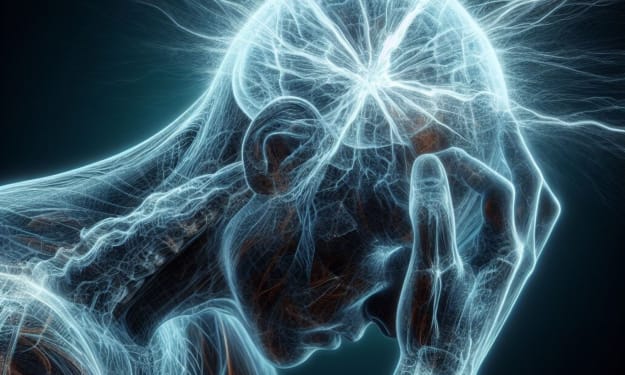
How to Get Relief from Headache in Humans
Headaches can strike when we least expect them—at work, during study, or even while relaxing at home.That sudden throbbing, tightness, or sharp pain can ruin an entire day. In today’s fast-paced world, stress, screen time, and lack of rest are making headaches more common than ever.For many people, reaching for a painkiller is the go-to solution, but relief doesn't always need to come from a pill. Natural remedies, lifestyle changes, and simple preventive habits can make a big difference. If you’re tired of recurring headaches, it’s time to understand the causes and learn how to manage them effectively.
By Dipak Chakrabortyabout a year ago in Humans
How Seasonal Changes Affect Hair Growth and How Ayurvedic Hair Oils Help Maintain Scalp Balance Year-Round. AI-Generated.
Hair health is a mirror that reflects your body’s internal balance, lifestyle, and environment. Among the external factors that significantly influence hair growth and scalp condition, seasonal changes play a major role. From the heat and humidity of summer to the dryness of winter, each season affects your scalp and hair follicles differently. Fortunately, ancient Ayurvedic wisdom offers solutions through nature-inspired hair oils designed to restore and maintain balance throughout the year.
By vijayan master's Ayurvedaabout a year ago in Humans