science
The Science Behind Relationships; Humans Media explores the basis of our attraction, contempt, why we do what we do and to whom we do it.
In defense of ontological naturalism
People arrive at atheism from different directions and different starting places, taking different paths, for different reasons. For some atheists, atheism is understood to be a conclusion about how the universe operates. More specifically, atheism can be one component of the more general conclusion that the universe operates within the constraints of ontological naturalism. That is my perspective.
By Mathew Goldsteinabout a year ago in Humans
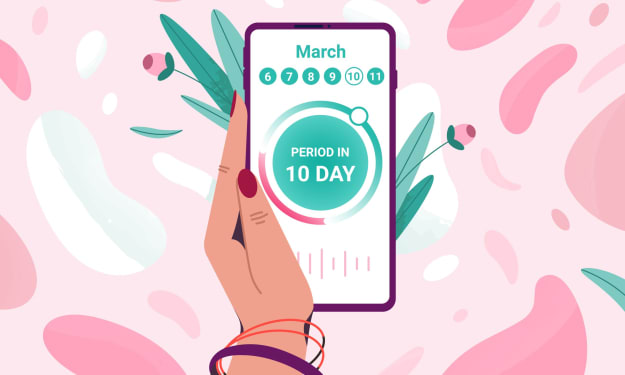
The Truth About Period Apps: Are They Right for Teenagers?
Millions of teenage girls use period tracking apps, but are they really designed for young bodies that are still changing? These apps promise to help teens predict their cycles by tracking symptoms and past period dates. Unlike adults, teenagers are still growing and developing, making their periods and cycles all over the place — and that’s completely normal. While these apps can be useful for adults, they can sometimes cause confusion and anxiety for teenagers since their cycles don’t match the same patterns as women who have been menstruating for years. In this article, we’ll dive deeper into whether period tracking apps are truly helpful for teenage girls or if they create more problems than they promise.
By Callie Carltonabout a year ago in Humans
How One Stranger Changed My Life Forever. AI-Generated.
I wasn’t looking for help that day. I wasn’t even looking for kindness. In fact, I had spent most of that cold November morning trying to stay invisible. My coat was too thin for the weather, my heart too heavy for the world, and my bank account far too empty to pretend I was okay.
By Anees Kaleemabout a year ago in Humans
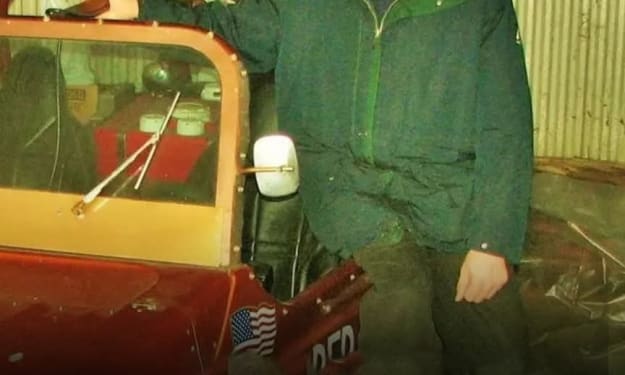
The Bizarre Case of the Water-Powered Car Inventor
The story of the water-powered car inventor, whose untimely death sparked controversy and conspiracy theories, stands as one of the most fascinating tales in the realm of alternative energy. This inventor dedicated his life to developing a vehicle that could run on water, a concept that challenges conventional fuel use. However, the circumstances surrounding his death—marked by the haunting phrase “They poisoned me”—have led to a lasting enigma that continues to capture public interest. A Visionary in Energy Innovation The inventor was a passionate advocate for renewable energy, asserting that cars could run efficiently on water as fuel instead of fossil fuels. His research and experiments aimed to revolutionize the automotive industry and reduce dependency on non-renewable resources. Although the scientific community was skeptical, he garnered a following of believers who were eager to embrace a future where clean energy was within reach. His claims involved groundbreaking technology that promised not only to benefit the environment but also to disrupt the status quo of the energy sector. His enthusiasm and infectious spirit inspired many to dream of an eco-friendly future free from fuel crises and pollution. The Mysterious Circumstances of His Death However, everything changed when he died under suspicious conditions. Reports suggest that he made alarming claims regarding his health shortly before his death, alleging that he had been poisoned. This revelation shocked those close to him and fueled speculation that powerful interests might have sought to silence him due to his revolutionary ideas. Friends and family recounted stories of how the inventor felt increasingly paranoid, believing he was being targeted for his innovations. The expression “They poisoned me,” became a chilling echo that raised questions: Was it merely paranoia, or was it a real threat reflecting a deeper conspiracy? The unsettling nature of his last words left many to wonder about the true fate of a dreamer who sought to change the world. The Impact on Alternative Energy Discourse His death brought the issues surrounding alternative energy into focus, igniting discussions regarding energy independence, corporate interests, and societal resistance to groundbreaking innovations. Many conspiracy theories emerged, with some suggesting that oil companies or government entities may have had a hand in suppressing his work—aligning with fears that disruptive technologies can pave the way for significant changes that powerful industries resist. While the scientific community may have dismissed his ideas at the time, his story highlights the resistance faced by pioneers who dare to challenge established norms. The whispers of conspiracy have continued to increase interest in alternative fuel sources, prompting others to revisit ideas once thought to be impossibly ahead of their time. Investigating the Legacy Left Behind In the aftermath of the inventor's death, investigations into his claims and technology began to resurface. Enthusiasts and engineers began re-examining his work and seeking ways to develop his concepts. Though the absence of conclusive evidence regarding his poisoning remains disturbing, it has not deterred innovators from pursuing green technology. His story serves both as a cautionary tale about the dangers faced by those who challenge conventional wisdom and as an inspiration for future generations to explore new frontiers in energy. Whether his work will stand the test of time may depend on society's readiness to embrace alternative solutions to pressing environmental challenges. Conclusion: A Cautionary Tale of Innovation and Fear The saga of the water-powered car inventor is one that blends ambition, tragedy, and the thirst for change. While his tragic end raises serious ethical considerations about how society treats innovators, it also underscores the importance of fostering an environment where groundbreaking ideas can flourish without fear. As people ponder the balance between innovative spirit and societal constraints, the legacy of this inventor continues to fuel discussions about sustainable energy and the price of progress. His tale is a reminder that the pursuit of a better future can sometimes come with unexpected costs, but it also holds the potential for lasting transformation and hope.
By DigitalAddiabout a year ago in Humans
How Color Affects Our Mood
Have you ever stepped into a room and instantly felt a sense of calm—or, on the other hand, an unexpected surge of energy? Chances are, the colors around you were influencing your emotions. This fascinating connection between colors and feelings is the core of what psychologists call color psychology.
By Shoaib Afridiabout a year ago in Humans
World’s largest Legoland opens to tourists in Shanghai
**World’s Largest Legoland Opens to Tourists in Shanghai** Shanghai has officially become home to the world’s largest Legoland resort. The much-anticipated Legoland Shanghai Resort opened its gates to the public on July 5, 2025, marking a major milestone in China’s family entertainment industry. Located in Fengjing, Jinshan District, the park spans an impressive 318,000 square meters, making it the largest Legoland in the world.
By GLOBAL NEWSabout a year ago in Humans
How to Become a Med Tech in Maryland: A Practical Pathway
Embarking on a healthcare career gives each which means and opportunity. For many, the function of a clinical technician presents an immediate path to purpose, impact, and professional increase. If you’ve been asking yourself how to become a med tech in Maryland, you’re now not alone. This career direction has grown in popularity due to its accessibility and profitable nature. While it can sound complicated, the procedure may be sincere whilst broken down into clear steps. Guided by using the proper mentorship and assets, aspiring clinical technicians can navigate the adventure with confidence. In this weblog, we’ll explore the critical levels, necessities, and hints that result in fulfillment on this dynamic discipline.
By Lisa Hormykoabout a year ago in Humans
Without a Dream, the Future Fades
There was a time when Ayan believed he was destined for greatness. As a boy growing up in a small village tucked between dusty hills and whispering winds, he would lie on the rooftop at night and trace constellations with his fingers, dreaming of becoming an astronaut. Not just any astronaut — one who’d walk the stars, who’d make his mother proud, and show the world that even a child from nowhere could reach the infinite.
By Noor Hussainabout a year ago in Humans